
When markets feel uncertain, it’s natural to question whether your financial plan is still working. Headlines are louder, emotions run higher, and doing something can feel better than doing nothing. But in our experience at SEM, financial plans rarely fail because of the market itself. They fail because of how we respond when things feel uncomfortable. Markets move in cycles. Volatility, downturns, and uncertainty are not signs that something is broken – they are normal parts of investing. The real challenge is that we are human. When fear or stress creeps in, our instincts often push us toward decisions that feel safe in the moment but can quietly undermine long-term success.
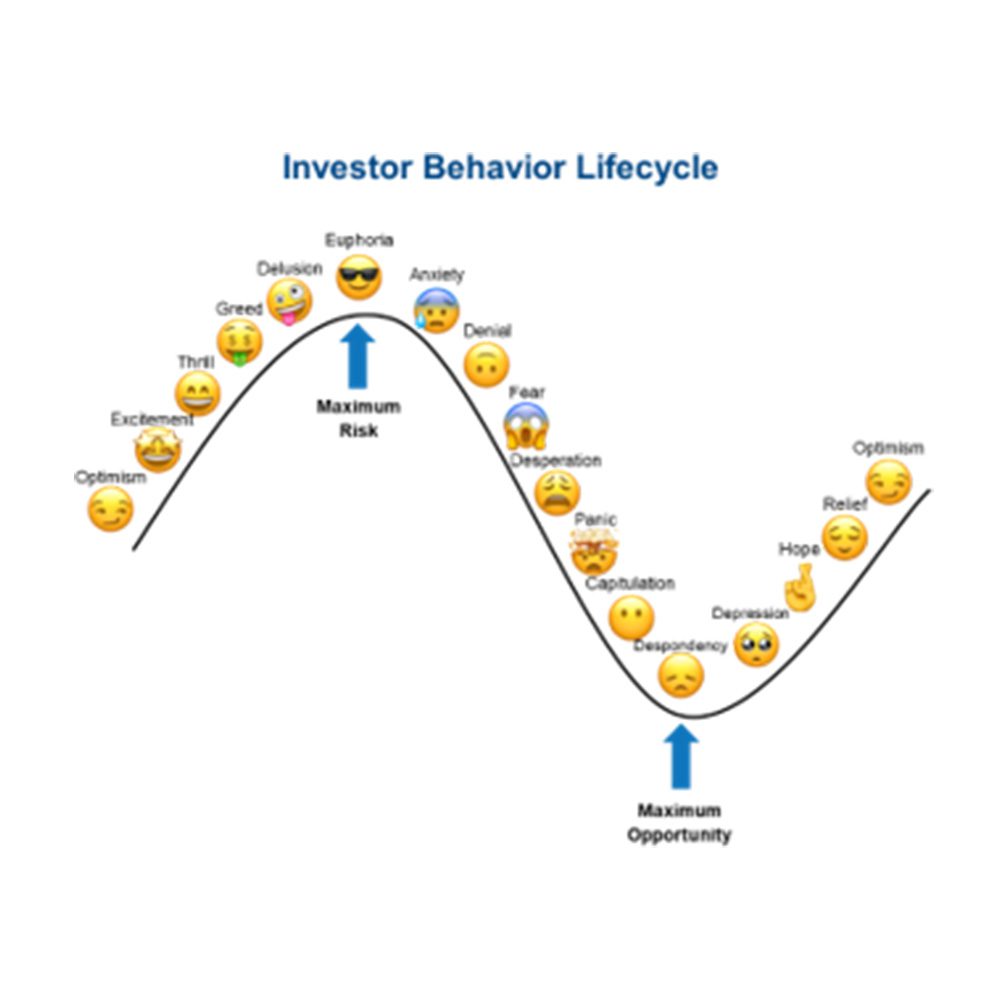
Over time, investors tend to move through predictable emotional phases as markets rise and fall. Early optimism can turn into excitement and confidence as things go well.
Eventually, uncertainty creeps in, followed by fear and panic during downturns.
Ironically, the moments that feel most comfortable to invest more are often when risk is highest, while the moments that feel most frightening can present long-term opportunity.
Recognizing these emotional patterns doesn’t mean you should try to “time” the market – it simply helps explain why sticking to a plan can feel so difficult at times.
One of the most common reasons plans fall apart is emotional decision-making. When markets drop, selling can feel like regaining control. When markets rise, chasing what’s doing well can feel smart. Both reactions are understandable – and both can derail a well-designed plan. Over time, reacting to short-term noise often leads to buying high, selling low, and missing the long-term growth investors need.
Another reason plans fail is a lack of preparation for real life. Unexpected expenses, income changes, or large purchases can force people to tap investments at the wrong time. Without proper cash flow planning and flexibility built into a plan, even good intentions can unravel when life happens.
At SEM, we take a behavioral approach to financial planning because we know the math is only part of the equation. A strong plan isn’t just about choosing the right investments – it’s about setting realistic expectations, building guardrails, and creating strategies that help people stay disciplined when emotions run high.
The goal of a financial plan isn’t to eliminate uncertainty – it’s to help you navigate it with confidence. If the current market feels uncomfortable, that doesn’t mean your plan has failed. Often, it means your plan is doing exactly what it was designed to do – helping you stay grounded when emotions might otherwise take over.
A plan that works in calm markets but falls apart under stress isn’t a real plan. The best plans are built to weather uncertainty – and to keep you moving forward, even when the path feels a little bumpy.
Any content, resident submissions, guest columns, advertisements, and advertorials are not necessarily endorsed by or represent the views of Best Version Media LLC (BVM) or any municipality, homeowners associations, businesses, or organizations that this publication serves. BVM is not responsible for the reliability, suitability, or timeliness of any content submitted, inclusive of materials generated or composed through artificial intelligence (AI). All content submitted is done so at the sole discretion of the submitting party.