Some homes spend decades chasing trends. Others quietly outlast them.
In Loudonville, buyers continue to seek out brick Colonials, slate roofs, original millwork, and tree-lined streets with a consistency that has remained remarkably unchanged over time.
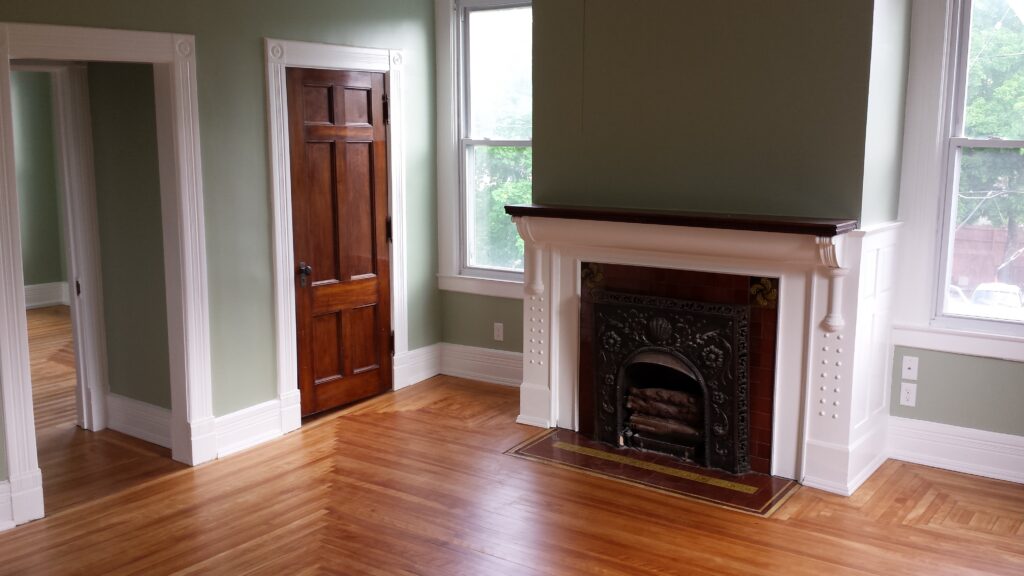
The area has never relied heavily on new construction to drive demand. Instead, many buyers arrive with a surprisingly specific request: an older home with solid construction, classic proportions, and details that would be difficult to replicate today.
The phrase “an old Loudonville house” means different things to different people, but most know it when they see it.
Part of the appeal is the setting itself. Mature trees, established streets, and homes that sit comfortably on their lots create a sense of permanence that is difficult to recreate in newer developments. Inside, older homes often offer room proportions that simply feel right. Formal living rooms, dining rooms, libraries, and center halls continue to resonate with buyers looking for spaces with a defined purpose.
In fact, many of the features once considered outdated are finding renewed appreciation. Dining rooms are being used again. Home offices have become essential. Mudrooms, butler’s pantries, and breakfast rooms have returned to many buyers’ wish lists.
Submitted photo
Design trends seem to be moving in a similar direction. Wallpaper, once removed as quickly as possible, has made a strong return. Grasscloths, block prints, botanicals, and traditional patterns are appearing in powder rooms, dining rooms, and entry halls throughout the Capital Region. Much like crown molding or built-in bookcases, these details often feel especially natural in older homes where they complement the architecture rather than compete with it.
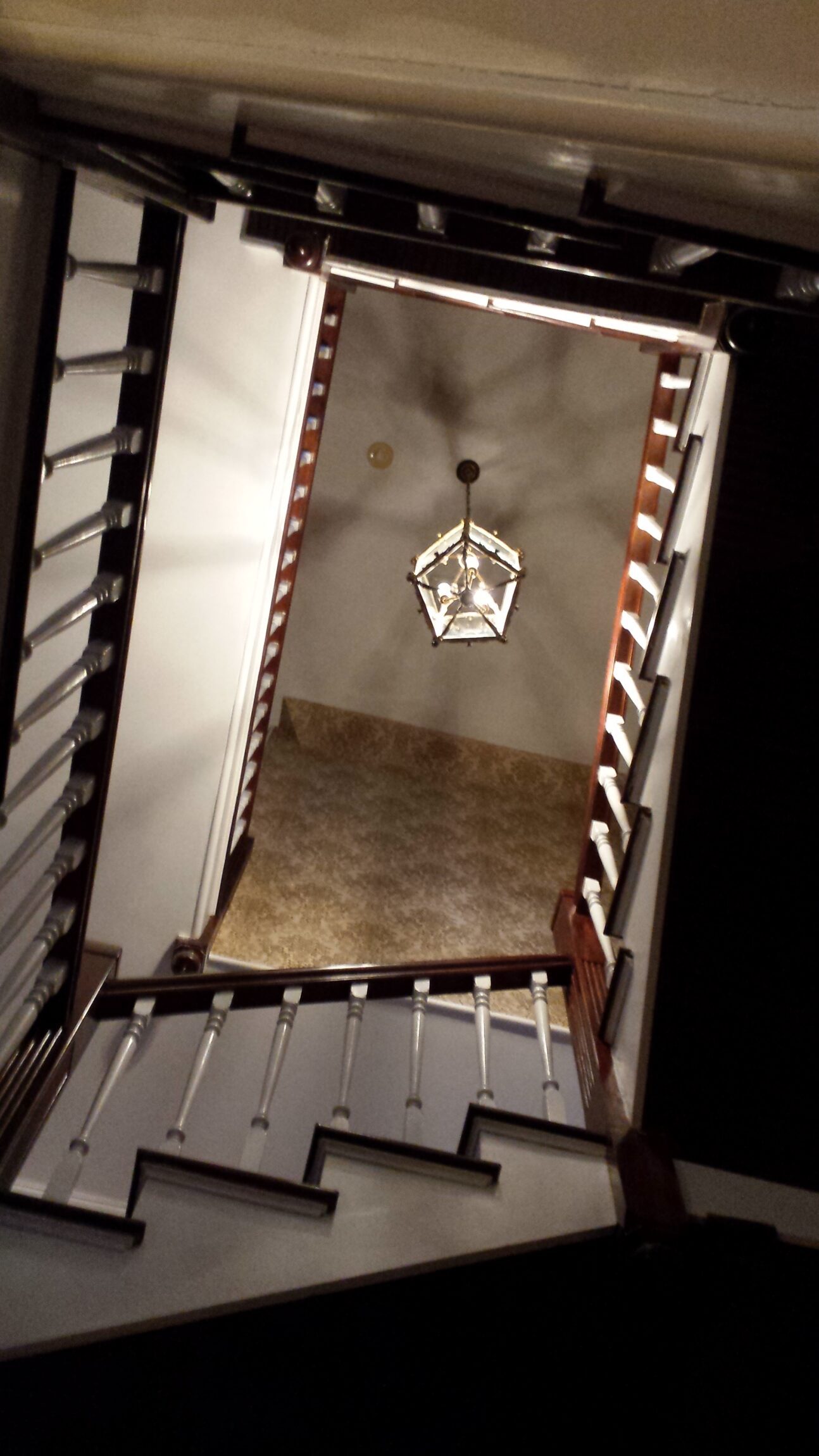
Construction quality remains part of the equation as well. Older homes frequently contain old-growth lumber, plaster walls, solid wood doors, and custom millwork that would be prohibitively expensive to reproduce today. Kitchens and bathrooms can be updated. Ceiling height, window placement, lot quality, and craftsmanship are considerably harder to change.
Anyone who follows me on social media already knows I have a soft spot for older homes. I have probably spent more time than necessary admiring original windows, debating wallpaper selections, or defending a perfectly good dining room against demolition.
Buyer demand suggests I am in good company.
The finishes that define one decade often feel dated in the next before eventually finding their way back into favor. Meanwhile, many of Loudonville’s most sought-after homes have remained remarkably consistent in the qualities that made them desirable in the first place.
Classic architecture, thoughtful design, and solid construction have a way of aging well.
Trends eventually catch up.
Any content, resident submissions, guest columns, advertisements, and advertorials are not necessarily endorsed by or represent the views of Best Version Media LLC (BVM) or any municipality, homeowners associations, businesses, or organizations that this publication serves. BVM is not responsible for the reliability, suitability, or timeliness of any content submitted, inclusive of materials generated or composed through artificial intelligence (AI). All content submitted is done so at the sole discretion of the submitting party.