A home’s plumbing system works behind the scenes every day, delivering clean water and removing waste efficiently. While most homeowners don’t need to be plumbing experts, understanding a few essential basics can help prevent costly repairs, conserve water, and keep everything running smoothly. Here are ten things every homeowner should know about plumbing.
- Know Where Your Main Water Shut-Off Valve Is
In the event of a burst pipe or major leak, shutting off the main water supply can prevent extensive water damage. Locate the valve before an emergency occurs and ensure everyone in your household knows how to use it. - Don’t Ignore Small Leaks
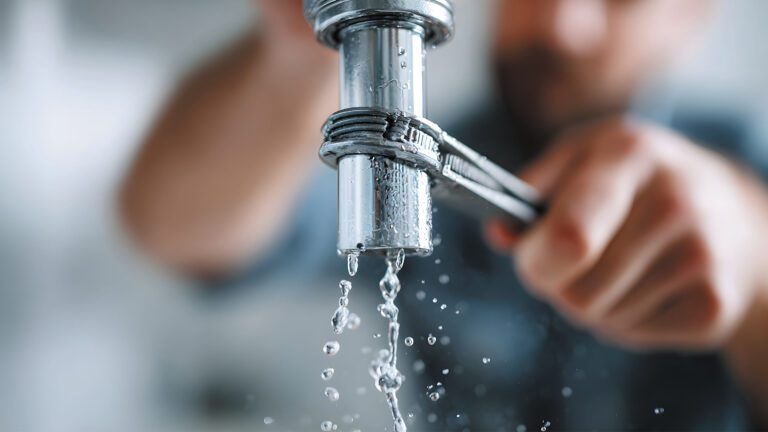
A dripping faucet or a minor pipe leak may seem harmless, but even small leaks can waste thousands of gallons of water each year and lead to mold, mildew, or structural damage over time. - Be Careful What Goes Down the Drain
Kitchen sinks should never be used to dispose of grease, cooking oil, coffee grounds, or fibrous food scraps. In bathrooms, avoid flushing wipes, paper towels, cotton swabs, or hygiene products, even if they’re labeled “flushable.” - Check for Hidden Leaks
Regularly inspect under sinks, around toilets, and near appliances for signs of moisture, discoloration, or mold. Catching leaks early can save you from expensive repairs. - Know the Signs of Water Heater Trouble
Unusual noises, rusty water, inconsistent hot water, or leaks around the tank may indicate your water heater needs maintenance or replacement. - Monitor Your Water Pressure
Water pressure that’s too high can strain pipes and fixtures, while pressure that’s too low may signal a blockage or leak. A pressure regulator can help maintain safe levels. - Avoid Chemical Drain Cleaners
Harsh drain cleaners can damage pipes over time and may not completely remove stubborn clogs. A plunger, drain snake, or professional cleaning is often a safer and more effective solution. - Perform Routine Plumbing Maintenance
Simple habits like checking exposed pipes, testing shut-off valves, cleaning faucet aerators, and inspecting washing machine hoses can help prevent unexpected plumbing problems. - Protect Pipes During Cold Weather
In colder climates, exposed pipes should be insulated to reduce the risk of freezing and bursting. Disconnect outdoor hoses before winter and shut off exterior water lines if applicable. - Know When to Call a Professional
Some plumbing issues, such as sewer backups, burst pipes, recurring clogs, or water heater failures, require professional expertise. Prompt repairs can prevent further damage and often save money in the long run.
A little plumbing knowledge goes a long way. By understanding how your home’s plumbing system works and practicing regular maintenance, you can avoid many common problems, improve water efficiency, and extend the life of your plumbing fixtures and appliances. When in doubt, addressing small issues early is almost always less expensive than waiting for them to become major repairs.
Any content, resident submissions, guest columns, advertisements, and advertorials are not necessarily endorsed by or represent the views of Best Version Media LLC (BVM) or any municipality, homeowners associations, businesses, or organizations that this publication serves. BVM is not responsible for the reliability, suitability, or timeliness of any content submitted, inclusive of materials generated or composed through artificial intelligence (AI). All content submitted is done so at the sole discretion of the submitting party.