Preventive maintenance is a strategic investment that mitigates physical safety risks and long-term financial strain. By addressing your vehicle’s health and safety incrementally, families can avoid the compounded damage and high costs associated with neglected repairs.
Consider the oil leak—not only does it make a mess by spilling oil, but engine vacuum pulls debris into the crankcase, which degrades engine lubrication. Any fluid that wears down will eventually negatively interfere with the system, whether it is engine oil, radiator coolant, brake fluid, or gear oil. Small, timely investments in maintenance prevent the financial problems down the road caused by major component failure. By resealing the oil leak early, not only will the mess be less, but so will the wear and tear inside the engine.
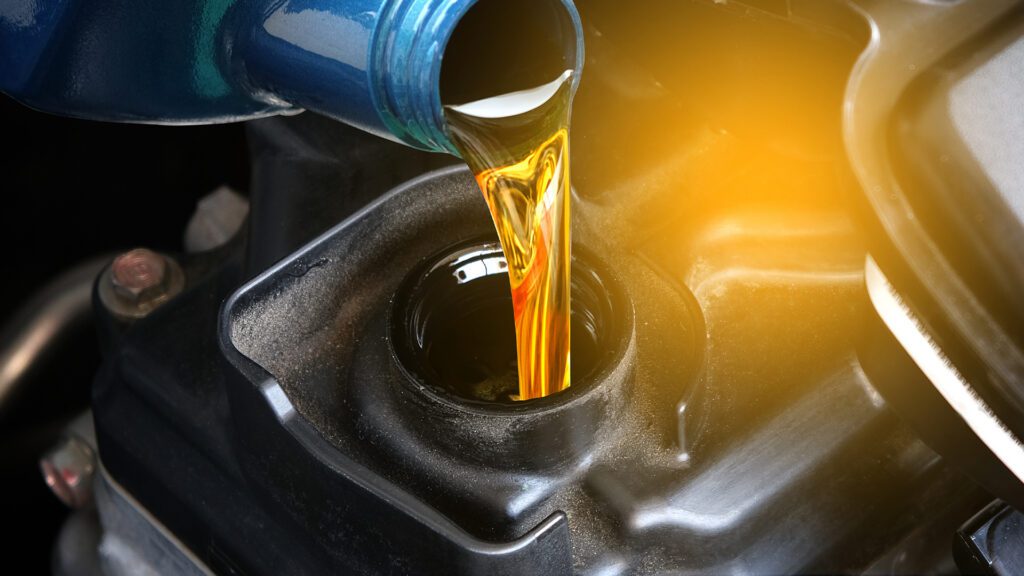
Over the last ten years, many manufacturers have recommended changing the engine oil every 10,000 miles, or once a year for most vehicles, because modern engines do not leak as much as their predecessors. This service interval presents a problem: engine oil breaks down, the oil filter fills with debris and is bypassed, and the dirty oil is circulated repeatedly while deposits build and important engine parts break down prematurely.
By allowing engine oil to remain in circulation, vital moving parts become damaged, passageways clog up, and important and expensive systems, like engine timing, fail. By leaving one issue unaddressed or improperly serviced, collateral damage to other parts and systems can quickly increase the repair bill.
The automotive industry has many shops providing a variety of products and services. There are quick lube shops for simple oil changes, specialty shops for European or performance vehicles, tire shops, and some that address the entire vehicle, regardless of the make or model. What should be important is knowing ahead of time what needs to be done now and down the road.
When your vehicle is in the shop, the goal for you is to learn as much as possible about what needs to be done in the next month, six months, and twelve months. The full vehicle inspection, performed correctly, empowers decision-making regarding vehicle maintenance and repairs. It should not be a selling tool, but an educational tool so the best decision can be made.
There are three tiers of maintenance: critical, transitioning, and borderline recommendations.
Critical items include dripping fluid leaks, grinding brakes, warning lights, vibrations, or any immediate safety or operational concern that requires urgent attention.
Transitioning items are components currently functioning but projected to become critical within six to twelve months.
Borderline items are non-urgent services that can be performed now for convenience or deferred based on the client’s budget and preference.
Ultimately, proper maintenance is about ensuring the vehicle remains a safe and dependable asset for your family.
Any content, resident submissions, guest columns, advertisements, and advertorials are not necessarily endorsed by or represent the views of Best Version Media LLC (BVM) or any municipality, homeowners associations, businesses, or organizations that this publication serves. BVM is not responsible for the reliability, suitability, or timeliness of any content submitted, inclusive of materials generated or composed through artificial intelligence (AI). All content submitted is done so at the sole discretion of the submitting party.