Every fall, homeowners enjoy cooler weather, football weekends, and changing leaves while putting off an important task — preparing their home’s systems for winter.
Then the first cold snap arrives. The heat won’t come on, a pipe leaks, and the water heater can’t keep up. What could have been a simple service call becomes an emergency repair.
Most winter breakdowns don’t happen without warning. Your home gives you clues if you know what to watch for.
Don’t Wait for the First Cold Morning
Your heating system has likely been sitting idle for months. The first time you turn it on shouldn’t be the day temperatures plunge.
Run your heating system for 15 to 20 minutes before you actually need it. Listen for unusual noises, lingering odors, and uneven heating throughout the home. If something doesn’t seem right, schedule service before the first cold snap.
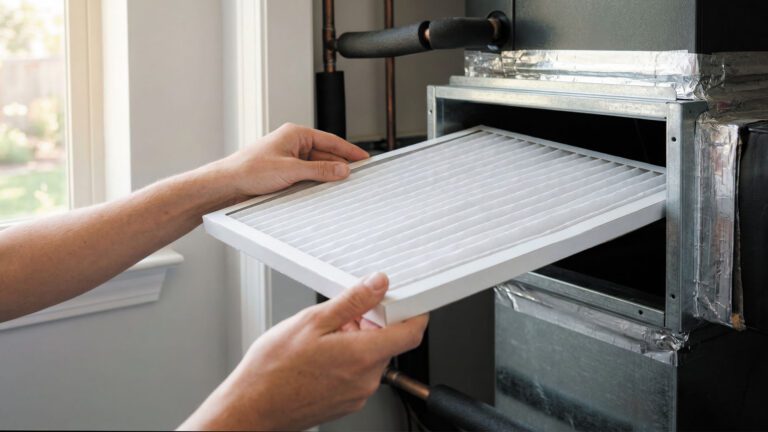
This is also the perfect time to replace your air filter. A dirty filter restricts airflow, forces your system to work harder, and increases energy consumption. It’s one of the easiest and most overlooked maintenance tasks.
Give Your Plumbing a Fall Checkup
Cold weather has a way of exposing plumbing problems that may have gone unnoticed all summer. Check under sinks, around toilets, near your water heater, and anywhere plumbing is visible. A slow drip today can become a costly leak once freezing temperatures arrive.
Outside, disconnect garden hoses and inspect outdoor faucets for leaks or damage. If your home has exposed pipes in a garage, crawl space, or unfinished basement, consider insulating them before freezing temperatures arrive.
Make sure everyone in your household knows where the main water shut-off valve is. If a pipe ever bursts, shutting off the water quickly can significantly reduce damage and repair costs.
Think Beyond Repairs
Many homeowners think they’ll know it’s time to replace equipment when it stops working. In reality, heating systems and water heaters usually lose efficiency gradually before they fail.
If your heating system requires frequent repairs, struggles to keep your home comfortable, or causes your utility bills to climb each winter, it’s worth exploring replacement before you’re faced with an emergency. Planning gives you time to compare options and make the best decision — not the quickest one.
The same advice applies to water heaters. If yours is approaching the end of its expected lifespan, replacing it on your schedule is far less stressful than waking up to a cold shower.
Don’t Forget About Your Water
Fall is also a great time to think about water quality. Hard water is common throughout South Jersey, and mineral buildup continues year-round.
Over time, minerals build up inside pipes, water heaters, and household appliances, reducing efficiency, shortening equipment life, and leaving spots on glassware.
A water conditioning system protects your plumbing while improving water for everyday use. Many homeowners quickly notice softer laundry, cleaner dishes, and fewer hard-water stains.
A Little Preparation Goes a Long Way
Your home works hard through every winter. A little fall maintenance improves efficiency, reduces the risk of repairs, and helps keep your family comfortable all season.
Head into winter with confidence, knowing your home is prepared for whatever the season brings.
Any content, resident submissions, guest columns, advertisements, and advertorials are not necessarily endorsed by or represent the views of Best Version Media LLC (BVM) or any municipality, homeowners associations, businesses, or organizations that this publication serves. BVM is not responsible for the reliability, suitability, or timeliness of any content submitted, inclusive of materials generated or composed through artificial intelligence (AI). All content submitted is done so at the sole discretion of the submitting party.