One piece of real estate advice has stood the test of time: “Buy the worst house in the best neighborhood.” A home can be improved, but it can’t be moved to a better street.
That doesn’t mean every fixer-upper is a smart investment. I’ve walked through homes that looked rough but became incredible opportunities. I’ve also seen buyers fall for bargains that cost far more than expected.
Knowing what to evaluate before making an offer can save you thousands of dollars and years of frustration.
Look Past the Cosmetics
Outdated kitchens, worn carpet, old wallpaper, and bold paint colors often scare buyers away. Yet these are usually among the easiest and least expensive features to change.
Imagine the home with fresh paint, updated flooring, and modern lighting. Cosmetic improvements can transform a space without requiring a full renovation.
These flaws may even create an opportunity. While other buyers focus on what they see, you can consider what the property could become.
Watch for Expensive Problems
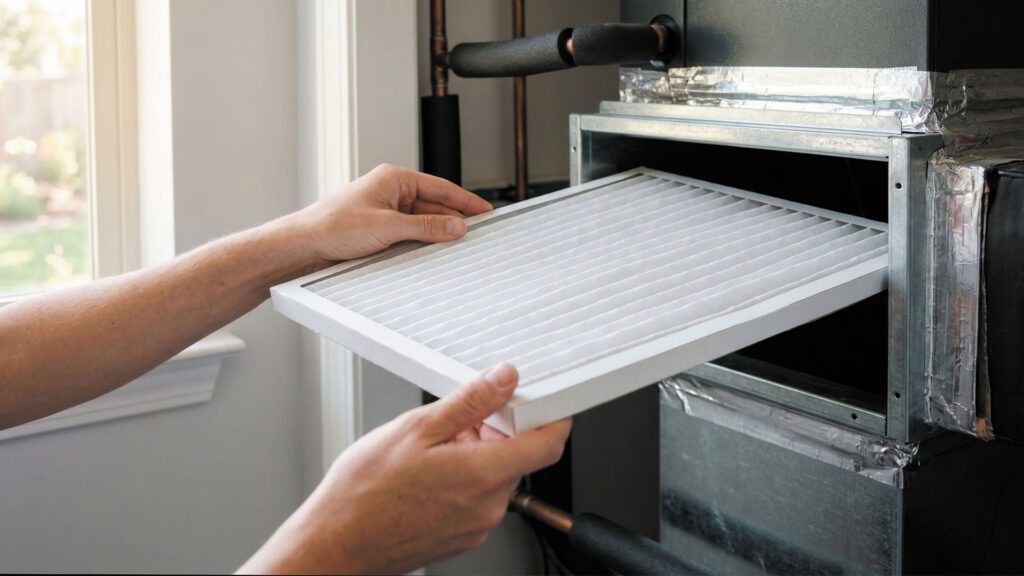
Cosmetic updates are manageable. Structural and mechanical problems require greater caution. A failing roof, foundation cracks, water intrusion, outdated electrical systems, aging plumbing, or a worn-out HVAC system can quickly consume a renovation budget.
These issues don’t always mean you should walk away, but you need to understand the cost before moving forward. A thorough inspection and estimates from qualified contractors can help determine whether the investment makes financial sense.
Study the Neighborhood
Even the best renovation can’t overcome a poor location. Visit the neighborhood at different times of day and pay attention to traffic, noise, nearby amenities, parks, schools, and the condition of surrounding properties.
Research future development plans and talk with neighbors when possible. Their perspective may reveal details you won’t find in an online listing.
Desirable neighborhoods often hold their value better during market shifts and appreciate more steadily over time.
Think Beyond Today
Buyers often focus on how a home fits their current needs. It’s equally important to consider where life may take you over the next five or 10 years.
Could your family grow? Will you need a home office? Might an aging parent require a first-floor bedroom? Is there room to expand? Thinking ahead can help you remain in the home longer and avoid moving again sooner than expected.
Run the Numbers
Renovation costs are easy to underestimate. Build a realistic budget that includes materials, labor, permits, inspections, and extra money for unexpected problems.
Then compare your total investment with the value of similar updated homes nearby. A low purchase price doesn’t automatically make a property a bargain. The numbers must support the work required.
Sometimes the smartest choice is a home that needs updating. Other times, it’s the move-in-ready property next door. The right decision depends on the location, renovation costs, resale potential, and your long-term goals.
A house can be improved. Choosing the right location and understanding the true investment are what create lasting value.
Any content, resident submissions, guest columns, advertisements, and advertorials are not necessarily endorsed by or represent the views of Best Version Media LLC (BVM) or any municipality, homeowners associations, businesses, or organizations that this publication serves. BVM is not responsible for the reliability, suitability, or timeliness of any content submitted, inclusive of materials generated or composed through artificial intelligence (AI). All content submitted is done so at the sole discretion of the submitting party.