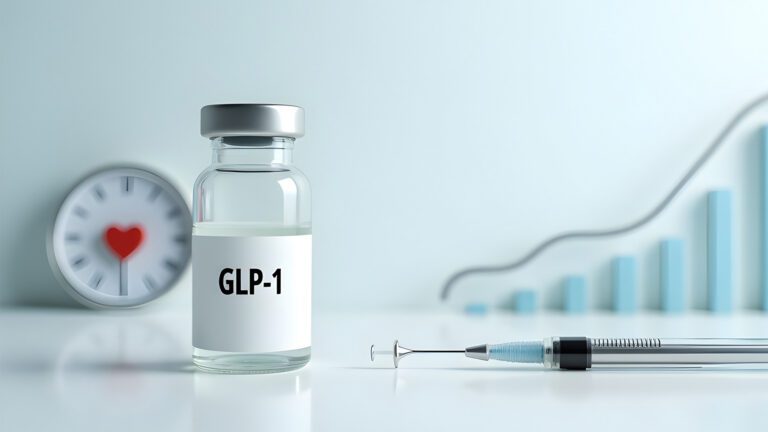
In the world of diabetes and obesity management, GLP-1 receptor agonists—often called “GLPs” like semaglutide (Ozempic, Wegovy) and liraglutide (Victoza, Saxenda) have made headlines for their dramatic weight-loss effects. But these injectable or oral medications do far more than slim waists. Emerging research shows they act as powerful anti-inflammatory agents, potentially reducing chronic pain and slashing cardiovascular (CV) risks. For those of us grappling with joint aches, heart concerns, or metabolic issues, understanding these benefits could open doors to better health.
At their core, GLPs mimic a gut hormone called glucagon-like peptide-1, which helps regulate blood sugar. But their magic extends to inflammation, the body’s silent troublemaker behind many chronic conditions. Chronic low-grade inflammation fuels everything from arthritis to heart disease by activating immune cells and pathways, leading to excess cytokine production and oxidative stress. GLPs step in by dialing down these responses: they suppress pro-inflammatory signals in immune cells, reduce cytokine storms, and ease oxidative damage in tissues. Studies highlight their broad anti-inflammatory promise across diseases like type 2 diabetes and inflammatory bowel issues, hinting at a “whole-body calm” effect.
This inflammation-busting power directly impacts pain, especially for those with nagging joint or nerve discomfort. In osteoarthritis, a common woe as we age, excess inflammation erodes cartilage and heightens sensitivity. Recent trials have found that weekly semaglutide injections can cut knee pain by over 40% in obese patients after about 68 weeks, beyond just weight loss—likely by curbing inflammatory markers like IL-6 and PGE2. For neuropathic pain, seen in diabetes or sciatica, GLPs target root causes: they lower spinal inflammation, quiet overactive microglia and astrocytes, and protect nerves from oxidative harm. Preclinical studies even suggest they shift immune cells from pro-pain to healing modes, offering relief without opioids’ risks. Imagine fewer aches during daily walks or gardening—GLPs could make that possible.
The heart benefits are equally compelling. Inflammation drives atherosclerosis, plaque buildup that clogs arteries and sparks heart attacks or strokes. GLPs fortify vessel walls by boosting endothelial function, curbing monocyte invasion, and stabilizing plaques. Large trials confirm they slash major CV events (like heart attacks, strokes, or CV death) by 12-21%, with stronger effects in high-risk folks. They also cut heart failure hospitalizations by up to 31% and slow kidney decline, vital for those with diabetes-related CV risks. Unlike some drugs, these perks hold steady even without other common therapies.
Of course, GLPs aren’t miracle cures—side effects like nausea can occur, and they’re prescription-only. But for many, the upsides outweigh hurdles, especially with doctor guidance. As research evolves, GLPs may redefine wellness beyond scales, fostering pain-free, heart-healthy lives in our community. Consult your physician to see if they’re right for you.
Any content, resident submissions, guest columns, advertisements, and advertorials are not necessarily endorsed by or represent the views of Best Version Media LLC (BVM) or any municipality, homeowners associations, businesses, or organizations that this publication serves. BVM is not responsible for the reliability, suitability, or timeliness of any content submitted, inclusive of materials generated or composed through artificial intelligence (AI). All content submitted is done so at the sole discretion of the submitting party.