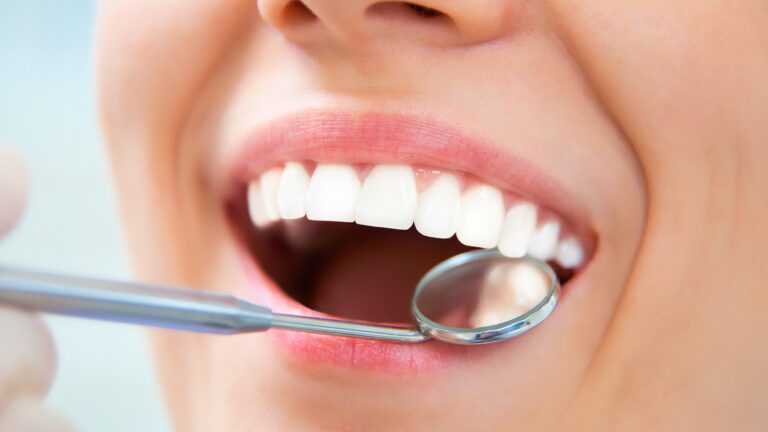
Dentistry is filled with fascinating facts, surprising discoveries, and a few myths that have been passed down for generations. In this new series, “Smile Smarter”, l will share interesting dental facts, clear up common misconceptions, and offer practical tips to help you better understand your oral health. My hope is that each article leaves you with a new appreciation for your smile—and maybe even a fact worth sharing
The more you know about your smile, the better you can care for it. So, let’s Smile Smarter.
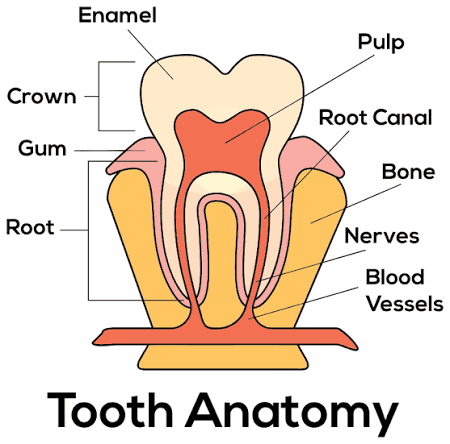
Submitted photo
Your Teeth Are More Amazing Than You Think
Enamel Is Strong, but Not Indestructible
Tooth enamel is the body’s hardest substance, stronger than bone. It can chip, crack, wear down, or erode from acid and cannot repair itself. Avoid chewing ice, cracking nuts, opening packages, or using teeth as tools.
Your Mouth Has Its Own Microbiome
Your mouth contains about 600 types of bacteria, and not all are bad. Some maintain balance; others contribute to cavities, gum disease, and bad breath. Brushing, flossing, tongue cleaning, and dental visits control plaque.
Saliva Is Your Smile’s Secret Defender
Saliva washes away bacteria, neutralizes acids, protects against cavities, and helps us speak and eat. Over a lifetime, we produce about 100,000 gallons, enough to fill two swimming pools!
Your Tongue Is One of a Kind
Like fingerprints and snowflakes, everyone’s tongue print is unique. Taste buds live about 10 days. Brush your tongue daily. Bad breath can signal gum disease, dry mouth, cavities, or other health issues.
Brushing Alone Doesn’t Reach Everything
Brushing misses 40% of tooth surfaces, which is why flossing matters. Americans spend an average of 38.5 days brushing over a lifetime, yet most brush only 45–70 seconds daily instead of 2–3 minutes. About 25% of adults do not brush twice daily, increasing tooth-decay risk by 33%.
When a Tooth Gets Knocked Out, Time Matters
A tooth can start to die within 15 minutes after being knocked out but placing it immediately into milk can prolong its life. Never replace a baby tooth in its socket; it can damage the developing adult tooth. About 3 million teeth are lost at sporting events each year.
Tooth Decay Is Surprisingly Common
Tooth decay is the second most common disease, behind only the common cold.
No Pain Doesn’t Always Mean No Problem
A small cavity may not hurt. Pain often begins when decay reaches deeper into the tooth and treatment may be more involved. Checkups and X-rays can find problems earlier, before they become painful or expensive.
Have a Question? We’d Love to Help.
Understanding your smile is an important part of keeping it healthy for years to come. Whether you have a question or it’s simply time for your next visit, Dr. Callahan and our team are always happy to help you care for your smile.
To schedule an appointment with Dr. Cheryl Callahan, call us at (301) 948-1212 or email info@cherylcallahandds.com.
Any content, resident submissions, guest columns, advertisements, and advertorials are not necessarily endorsed by or represent the views of Best Version Media LLC (BVM) or any municipality, homeowners associations, businesses, or organizations that this publication serves. BVM is not responsible for the reliability, suitability, or timeliness of any content submitted, inclusive of materials generated or composed through artificial intelligence (AI). All content submitted is done so at the sole discretion of the submitting party.