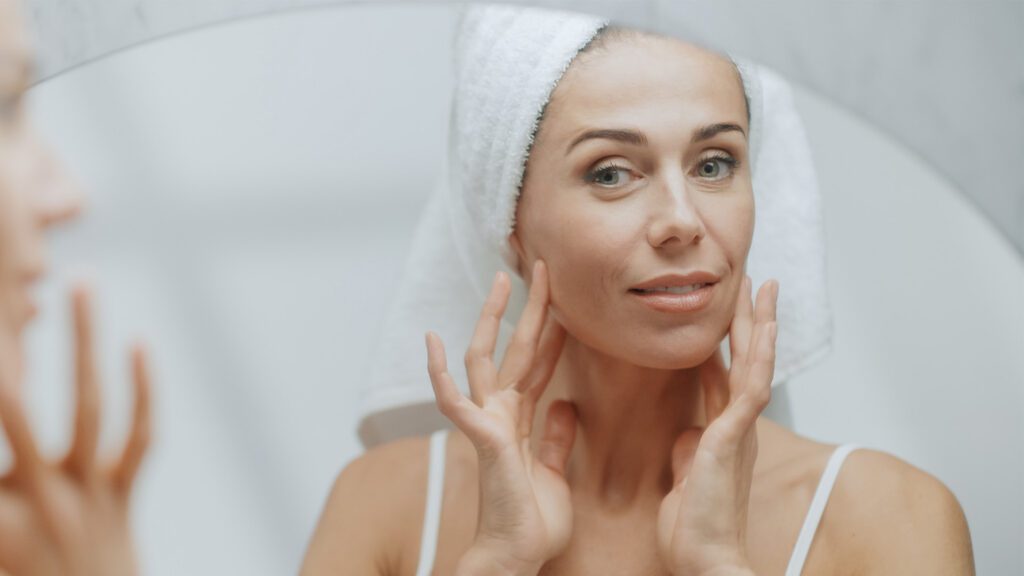
If you’ve ever looked in the mirror and thought, “I’m doing all the same things I did 10 years ago…so why do I feel so different?”—you’re not alone.
In your 20s, it often feels like your body is always on your side. You can stay up late, recover from a busy week, squeeze in a workout, and still have energy to spare.
Then somewhere in your 30s and beyond, things begin to change.
Maybe you’re more tired than you used to be. Workouts feel harder. Stress hits differently. Sleep isn’t as restorative. Weight seems easier to gain and harder to lose. You might notice brain fog, mood changes, lower motivation, or simply feel like you’re running on empty.
Most people assume it’s just part of getting older.
But what if there’s more to the story?
Hormones: Your Body’s Behind-the-Scenes Team
Hormones are your body’s chemical messengers. They help regulate energy, metabolism, sleep, mood, mental clarity, muscle mass, libido, and so much more.
When hormones are balanced, your body generally runs the way it’s meant to. When they begin to decline or become imbalanced, you may notice changes that are easy to blame on stress, a hectic schedule, or aging.
The tricky part? It usually happens gradually. You adapt little by little until one day you realize you don’t quite feel like yourself anymore.
For Women: It Can Start Earlier Than You Think
Many women are surprised to learn that hormone changes don’t suddenly begin at menopause.
In fact, symptoms can start in your 30s, sometimes even earlier, as hormone levels begin to fluctuate during perimenopause.
You may notice fatigue, brain fog, irritability, disrupted sleep, stubborn weight gain, lower libido, or just feel less like the confident, energetic version of yourself.
Unfortunately, these symptoms are often dismissed.
“You’re just stressed.”
“Welcome to your 40s.”
“Your labs are normal.”
Meanwhile, you know something feels different.
Hormones like estrogen, progesterone, and testosterone all play important roles in how women feel physically and emotionally. Even subtle shifts can have a noticeable impact on daily life.
For Men: The Conversation We Don’t Have Enough
Men experience hormone changes too, but they’re talked about far less often.
Many begin noticing changes after age 35. Energy drops. Recovery from workouts takes longer. Building muscle becomes more difficult while body fat seems easier to gain. Motivation, focus, and even confidence can take a hit.
Because testosterone typically declines gradually over time, many men assume these changes are simply part of aging.
But common doesn’t always mean normal.
So, What Is HRT?
Hormone Replacement Therapy (HRT) helps restore hormones that naturally decline with age.
For women, treatment may involve estrogen, progesterone, testosterone, or a personalized combination based on symptoms and lab work.
For men, treatment often focuses on optimizing testosterone levels when appropriate.
The goal isn’t to turn back the clock or help you feel 21 again.
It’s to help you feel like yourself again.
People often seek treatment because they want more energy to keep up with their families, better focus at work, improved workouts, healthier relationships, and an overall better quality of life.
Feeling Like Yourself Again
One of the things we hear most often from patients is surprisingly simple:
“I finally feel like me again.”
Hormones aren’t a magic fix, and they’re only one piece of the wellness puzzle. Nutrition, movement, quality sleep, stress management, and overall health all matter. But when your hormones are working against you, even your healthiest habits can feel like an uphill battle.
Getting older is inevitable. Feeling exhausted, mentally foggy, unmotivated, or disconnected from yourself doesn’t have to be.
If you’ve noticed changes in your energy, mood, sleep, focus, or overall vitality, it may be worth starting a conversation.
At Defy of Indiana, we believe feeling your best isn’t about chasing youth—it’s about understanding what’s happening inside your body and creating a personalized plan that helps you thrive in every stage of life.
Because sometimes, the first step toward feeling better is realizing it isn’t “just aging.”
Any content, resident submissions, guest columns, advertisements, and advertorials are not necessarily endorsed by or represent the views of Best Version Media LLC (BVM) or any municipality, homeowners associations, businesses, or organizations that this publication serves. BVM is not responsible for the reliability, suitability, or timeliness of any content submitted, inclusive of materials generated or composed through artificial intelligence (AI). All content submitted is done so at the sole discretion of the submitting party.