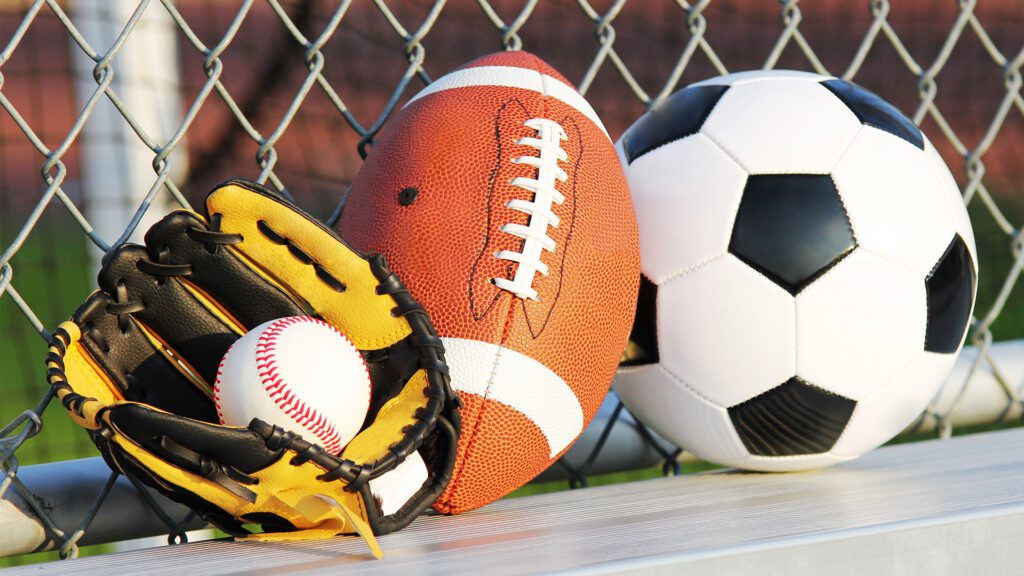
The backpacks are packed, the lunchboxes are back, and somehow every evening is spent racing from one practice to another. Fall sports season has officially begun!
Whether your child is lacing up soccer cleats, strapping on shin guards, hitting the volleyball court, or running their first cross-country race, sports offer so much more than exercise. Kids learn teamwork, confidence, resilience, and the valuable life lesson that someone always forgets their water bottle.
As a pediatrician, and a mom, I love seeing kids stay active. I also know that a few simple habits can help prevent many common sports injuries, keeping athletes where they want to be: playing, learning, and having fun.
Start With a Check-Up
Think of the sports physical as your child’s preseason tune-up. It’s more than a form to sign. It’s a chance to make sure your young athlete is healthy, review any previous injuries, discuss asthma or allergies, and answer questions before the season gets underway. Plus, it’s much easier to solve a problem before the first whistle than halfway through the championship game.
Warm Up Like You Mean It
I know everyone is eager to get straight to the fun part, but those few minutes spent warming up really matter.
Dynamic stretches, light jogging, and sport-specific movements prepare muscles and joints for activity while helping reduce injuries. Cooling down afterward is just as important—even if your child insists they’re “totally fine.”
Water Wins Every Time
Hydration may not be glamorous, but it’s one of the easiest ways to keep athletes performing their best.
Encourage kids to:
- Drink water before, during, and after practices and games.
- Take water breaks even if they don’t feel thirsty.
- Wear lightweight clothing on warm days.
- Recognize signs of heat illness like dizziness, headache, nausea, unusual fatigue, or confusion.
Parents often ask if sports drinks are necessary. For most children participating in activities lasting less than an hour, water is the perfect choice.
Heads Up About Concussions
Concussions aren’t limited to football. They can happen in soccer, basketball, cheerleading, hockey, cycling, and many other activities. If your child takes a hit to the head or body and develops symptoms like headache, dizziness, confusion, balance problems, nausea, or excessive sleepiness, it’s time to take a break.
“When in doubt, sit them out.”
No championship game is worth risking a child’s developing brain.
Gear Up for Success
The coolest-looking helmet isn’t necessarily the safest one. Protective equipment should fit properly and be appropriate for the sport. Helmets, mouthguards, shin guards, protective eyewear, and properly fitting athletic shoes all help reduce injuries—but only if they’re worn correctly. If last year’s cleats suddenly seem two sizes too small (because kids have an uncanny ability to grow overnight), it’s probably time for an upgrade.
Listen to the Body
Kids are remarkably tough. Sometimes they’re a little too tough. If pain lasts more than a day or two, causes limping, or keeps returning during activity, don’t ignore it. Playing through pain can turn a minor problem into a season-ending injury. The goal isn’t to raise the toughest athlete—it’s to raise a healthy one.
Rest Is a Secret Weapon
Even elite athletes schedule recovery days. Young athletes need time for muscles, bones, and growing bodies to recover. Experts recommend taking at least one or two days off from organized sports each week and allowing breaks from playing the same sport year-round. Believe it or not, sometimes the best thing an athlete can do for performance is…take a nap.
Fuel for the Finish Line
Growing athletes need real fuel. Balanced meals with lean protein, whole grains, fruits, vegetables, and calcium-rich foods help support energy, muscle recovery, and healthy bones. And despite what clever marketing might suggest, energy drinks are never a good choice for children or teens.
Keep the Fun Front and Center
Years from now, your child probably won’t remember the score of a random Saturday game. They’ll remember the teammates who became friends, the coach who believed in them, the snack after the game, and the parents cheering from the sidelines. Sports should challenge kids—but they should also bring joy. If we celebrate effort as much as victories, encourage good sportsmanship, and remember that every child develops at their own pace, we’re already winning.
Play hard. Stay safe. Have fun.
About the Author
Dr. Emily Pollack is a board-certified pediatrician, lactation consultant, and mom of four. She believes healthy kids are active kids and knows that every sports season comes with a few grass stains, missing water bottles, post-game snack debates, and at least one mystery bruise.
Any content, resident submissions, guest columns, advertisements, and advertorials are not necessarily endorsed by or represent the views of Best Version Media LLC (BVM) or any municipality, homeowners associations, businesses, or organizations that this publication serves. BVM is not responsible for the reliability, suitability, or timeliness of any content submitted, inclusive of materials generated or composed through artificial intelligence (AI). All content submitted is done so at the sole discretion of the submitting party.