September is a transition month in North Texas, bringing warm afternoons, cooler evenings, and unpredictable weather. While many homeowners welcome relief from the intense summer heat, their heating and air conditioning (HVAC) systems are often still working hard. This seasonal shift is also when hidden problems become more noticeable, making September an ideal time for maintenance before colder weather arrives.
One of the most common issues is reduced cooling performance. After running almost continuously throughout the summer, air conditioners can experience wear and tear. Dirty air filters, clogged outdoor condenser coils, and low refrigerant levels may cause the system to cool less efficiently. Homeowners may notice longer run times, uneven temperatures between rooms, or higher energy bills. Replacing air filters regularly and scheduling a professional inspection can often prevent these problems from becoming more expensive repairs.
Another frequent concern is poor indoor air quality. During late summer, dust, pollen, and mold spores can accumulate inside ductwork and on HVAC components. Dirty filters and evaporator coils reduce airflow while allowing airborne particles to circulate throughout the home. If family members begin experiencing allergy symptoms indoors, it may be time to replace the filter, clean the system, or have the ductwork evaluated if excessive dust is present.
September is also the ideal time to test the heating system before temperatures drop. Many homeowners don’t discover a furnace problem until the first chilly morning of the season. Turning on the heater for a short period allows you to check for unusual noises, strange odors, or a failure to produce warm air. A brief burning smell may occur the first time the heater runs after months of inactivity as dust burns off the heat exchanger, but persistent odors or smoke should be inspected by a qualified HVAC technician.
Thermostat problems often become apparent during seasonal temperature swings. A thermostat that isn’t calibrated correctly or has aging batteries can cause inconsistent temperatures or frequent cycling between heating and cooling modes. Upgrading to a programmable or smart thermostat can improve comfort while reducing energy consumption by automatically adjusting temperatures based on your schedule.
Drain line clogs are another issue that often develops after a busy cooling season. Air conditioners remove humidity from indoor air, and the resulting condensation drains through a small pipe. Over time, algae and debris can clog the drain line, causing water leaks or triggering a safety switch that shuts down the system. Routine maintenance typically includes cleaning this drain to prevent unexpected interruptions.
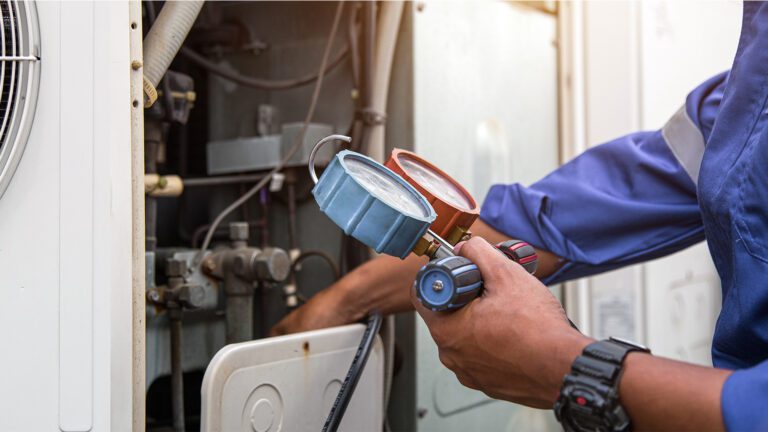
Finally, September is an excellent time to schedule preventive HVAC maintenance. Professional technicians can inspect electrical connections, lubricate moving parts, check refrigerant levels, clean coils, test safety controls, and ensure both the cooling and heating systems are operating efficiently. Addressing small issues now helps reduce the likelihood of emergency repairs during the hottest or coldest days of the year.
With a little attention before the seasons change, North Texas homeowners can improve comfort, lower energy costs, extend the life of their HVAC equipment, and enjoy greater peace of mind throughout the fall and winter months.
Call Quigley Heating & Air and set up a consultation at 214-390-4829. Or visit their website www.quigleyac.com
Any content, resident submissions, guest columns, advertisements, and advertorials are not necessarily endorsed by or represent the views of Best Version Media LLC (BVM) or any municipality, homeowners associations, businesses, or organizations that this publication serves. BVM is not responsible for the reliability, suitability, or timeliness of any content submitted, inclusive of materials generated or composed through artificial intelligence (AI). All content submitted is done so at the sole discretion of the submitting party.