October marks a turning point for heating and air‑conditioning systems in North Texas. After months of intense summer heat, HVAC units begin transitioning toward intermittent heating as cooler mornings arrive. This shift makes October one of the most important months for homeowners to prepare their systems for winter. Understanding how your equipment behaves during seasonal change can prevent breakdowns, improve efficiency, and extend the life of your unit.
One of the first steps homeowners should take is to run their heating system early, ideally during a cool morning. Furnaces and heat pumps sit idle for long stretches during Texas summers, allowing dust to accumulate on burners, heating elements, and internal components. When the system fires up for the first time, a dusty smell is normal and typically lasts 10–20 minutes. However, sharp electrical odors or persistent burning smells indicate a problem that requires professional inspection. Testing your heat in October ensures you discover issues before the first cold front, when HVAC companies are overwhelmed with emergency calls.
Airflow is another critical factor. North Texas homes often rely on 1‑inch filters, which clog quickly due to dust, pollen, and construction debris common in the region. A dirty filter restricts airflow, causing the furnace’s high‑limit switch to trip and shutting the system down. Changing your filter in October helps the heating system operate smoothly and prevents short cycling. Homeowners should also be cautious about upgrading to high‑MERV filters without confirming their system can handle the increased resistance. Overly restrictive filters can reduce airflow enough to damage equipment.
Safety checks are essential this time of year. Gas furnaces produce carbon monoxide as a normal byproduct of combustion, making October the ideal month to test all CO alarms in the home. Ensuring proper ventilation, checking for rust on the heat exchanger, and verifying that the ignition system operates correctly are all part of a standard fall tune‑up. These steps protect both your home and your family as temperatures drop.
Outdoor condensers also need attention. While air‑conditioning use decreases in October, the outdoor unit still benefits from cleaning and debris removal. Leaves, branches, and dirt can accumulate around the condenser, reducing efficiency. Some homeowners choose to cover their AC unit for winter, but many HVAC professionals advise against it because covers can trap moisture and encourage rust. A simple cleaning is usually sufficient.
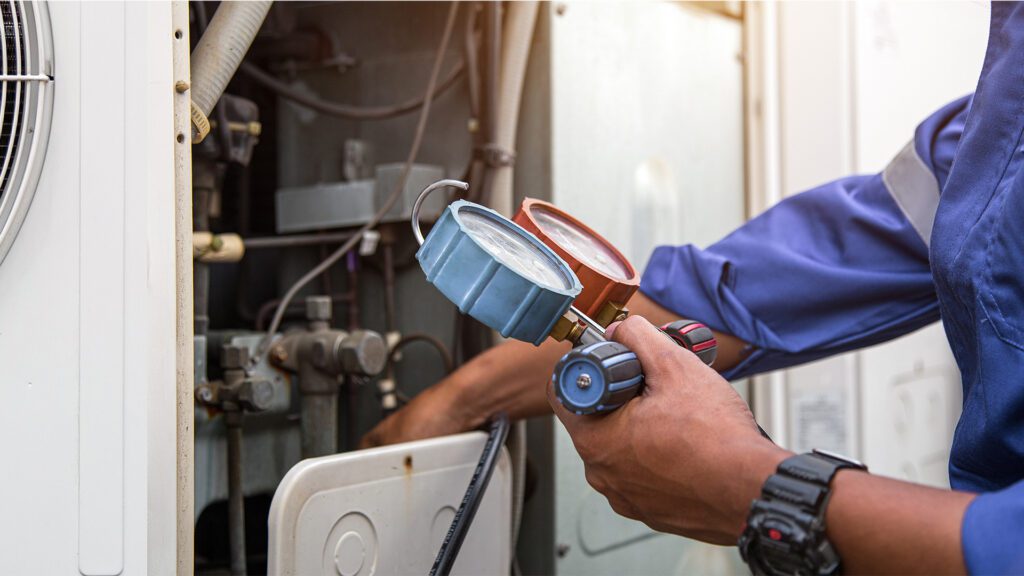
Finally, October is the best month to schedule a professional HVAC tune‑up. Weather is mild, technicians have more availability, and early maintenance prevents costly winter breakdowns. A tune‑up typically includes inspecting burners, checking refrigerant levels, cleaning coils, testing safety controls, and verifying thermostat operation.
North Texas weather is unpredictable, with warm afternoons and sudden cold snaps. Preparing your HVAC system in October ensures reliable performance, lower energy bills, and peace of mind throughout the winter season.
Is Your HVAC system on the fritz? Call Quigley Heating & Air and set up a consultation at 214-390-4829. Or visit their website www.quigleyac.com.
Any content, resident submissions, guest columns, advertisements, and advertorials are not necessarily endorsed by or represent the views of Best Version Media LLC (BVM) or any municipality, homeowners associations, businesses, or organizations that this publication serves. BVM is not responsible for the reliability, suitability, or timeliness of any content submitted, inclusive of materials generated or composed through artificial intelligence (AI). All content submitted is done so at the sole discretion of the submitting party.