Why Saliva Is So Important
Most people rarely think about saliva, yet it plays a critical role in protecting your oral health. When your mouth doesn’t produce enough saliva—a condition known as dry mouth (xerostomia)—it can lead to much more than simple discomfort. Left untreated, dry mouth significantly increases the risk of tooth decay, gum disease, and oral infections.
Saliva is one of your body’s natural defenses. It continually rinses away food particles, neutralizes acids produced by bacteria, and supplies minerals that help strengthen and repair tooth enamel. It also aids digestion and makes speaking, chewing, and swallowing easier.
What Causes Dry Mouth?
Dry mouth has many possible causes, with medications being the most common. Hundreds of prescription and over-the-counter medications—including those used to treat high blood pressure, allergies, depression, and anxiety—list dry mouth as a side effect. While aging itself doesn’t cause dry mouth, older adults are more likely to take medications that contribute to it.
Other common causes include dehydration, tobacco use, certain medical conditions, and radiation therapy to the head and neck.
Common symptoms include:
- A dry or sticky feeling in the mouth
- Frequent thirst
- Difficulty chewing, swallowing, or speaking
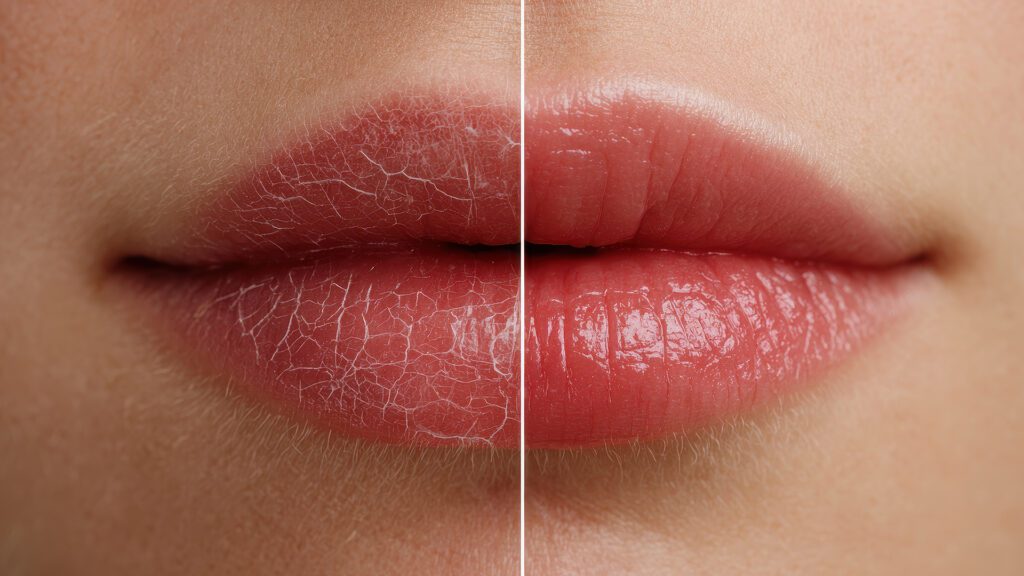
- Dry or cracked lips
- Sore throat or hoarseness
- Bad breath
- Changes in taste
Mouth Breathing and Sleep Apnea
An often-overlooked cause of dry mouth is mouth breathing, especially during sleep. People who breathe through their mouths commonly wake up with a dry, sticky mouth. Allergies, chronic nasal congestion, or structural airway problems can all contribute. Over time, reduced moisture increases the risk of cavities, gum disease, and bad breath.
Dry mouth is also commonly associated with obstructive sleep apnea, a condition in which breathing repeatedly stops and starts during sleep. Many people with sleep apnea breathe through their mouths at night. Others may develop dry mouth while using CPAP therapy if their mask leaks air.
If you frequently wake with a dry mouth, snore loudly, feel unusually tired during the day, or have been told you stop breathing while sleeping, discuss these symptoms with your physician. Proper diagnosis and treatment can improve both your oral health and overall well-being.
Why It Matters
Without enough saliva, bacteria and acids remain on your teeth longer, making cavities more likely. Dry mouth also increases the risk of gum disease, oral infections, and difficulty wearing dentures. Even everyday activities like eating, speaking, and swallowing can become uncomfortable.
Managing Dry Mouth
Fortunately, several simple steps can help relieve symptoms and protect your smile:
- Sip water regularly throughout the day.
- Chew sugar-free gum or use sugar-free lozenges to stimulate saliva.
- Limit caffeine, alcohol, and tobacco, which can worsen dryness.
- Brush twice daily with fluoride toothpaste and floss every day.
- Keep regular dental checkups so problems can be detected early.
If dry mouth persists, mention it during your dental visit. Your dentist can help identify the underlying cause and recommend products or treatments that provide relief while protecting your teeth.
Saliva is essential for a healthy smile. If your mouth frequently feels dry, don’t ignore it. Treating dry mouth early can help prevent cavities, protect your gums, and keep your mouth healthy and comfortable for years to come.
Any content, resident submissions, guest columns, advertisements, and advertorials are not necessarily endorsed by or represent the views of Best Version Media LLC (BVM) or any municipality, homeowners associations, businesses, or organizations that this publication serves. BVM is not responsible for the reliability, suitability, or timeliness of any content submitted, inclusive of materials generated or composed through artificial intelligence (AI). All content submitted is done so at the sole discretion of the submitting party.