A healthy smile matters at every stage of life, but oral health needs can change as we grow older. Aging itself does not automatically cause tooth loss or dental disease. However, medications, changes in dexterity, gum recession, and other factors can make maintaining good oral health more challenging.
With consistent home care, regular dental visits, and attention to changes in your mouth, you can help protect your teeth, gums, and overall oral health for years to come.
Dry Mouth Is Common—But Not Normal
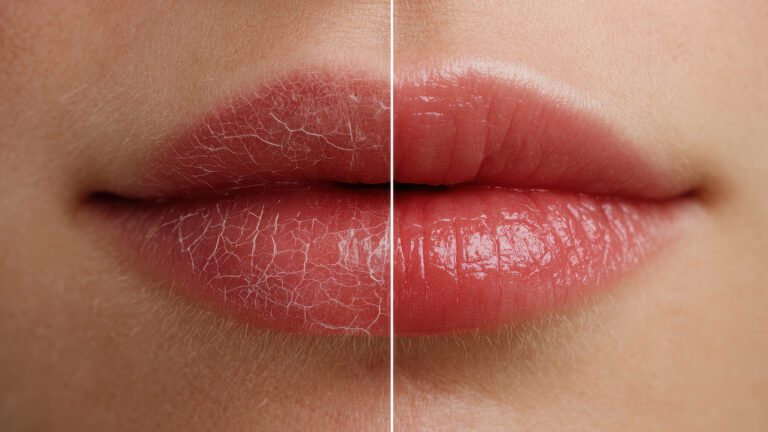
Dry mouth is one of the most common oral health concerns among older adults. While it is not a normal part of aging, it can be a side effect of medications used to manage conditions such as high blood pressure, allergies, depression, and pain.
Saliva helps wash away food particles, neutralize acids, and protect teeth from cavity-causing bacteria. When saliva production decreases, the risk of tooth decay can rise.
Drinking water throughout the day, chewing sugar-free gum, or using sugar-free lozenges may help stimulate saliva. Your dental professional can also recommend products designed for dry mouth and, when appropriate, additional fluoride protection.
Cavities Can Happen at Any Age
Tooth decay isn’t just a childhood concern. As gums recede, tooth roots can become exposed and are more vulnerable to decay. Older fillings, crowns, bridges, and other restorations may also develop areas where bacteria can collect.
Brushing twice a day with fluoride toothpaste and cleaning between your teeth daily remain essential. Regular dental examinations can help identify early signs of decay and address small problems before they become more complex.
Protect Your Gums
Gum disease can develop gradually and may cause few noticeable symptoms in its early stages. Warning signs include red or swollen gums, bleeding when brushing or flossing, persistent bad breath, gum recession, or loose teeth.
Daily brushing and cleaning between the teeth, combined with professional dental cleanings, can help control harmful bacteria and protect the gums and bone supporting your teeth.
Give Dentures and Dental Work Proper Care
Dentures, partial dentures, bridges, crowns, and dental implants all require regular care. Dentures should be cleaned daily, while the gums and other soft tissues of the mouth should also be gently cleaned.
Even people with complete dentures should maintain regular dental visits. These appointments provide an opportunity to evaluate the fit and condition of dental appliances and examine the tongue, cheeks, gums, and other oral tissues for abnormalities, including potential signs of oral cancer.
When Brushing Becomes Difficult
Arthritis, reduced grip strength, tremors, and other physical changes can make brushing and flossing more difficult. An electric toothbrush with a larger handle may make brushing easier. Floss holders, interdental brushes, and water flossers can also provide alternatives when traditional floss is challenging to use.
If a family member or caregiver helps with daily activities, oral hygiene should remain an important part of the routine.
A Healthy Mouth Supports Quality of Life
Good oral health helps older adults eat comfortably, speak clearly, smile confidently, and enjoy a nutritious variety of foods. Dental problems should not simply be accepted as an inevitable part of getting older.
The goal isn’t just to keep your teeth—it’s to maintain comfort, function, confidence, and quality of life. With consistent home care, regular dental visits, and early attention to changes, you can help keep your smile healthy at every age.
Mention This Kama‘āina Offer! New Patient Special $199
Tropical Smiles Dental | 808-329-1715 | info@tropicalsmilesdental.com | www.tropicalsmileshawaii.com
Any content, resident submissions, guest columns, advertisements, and advertorials are not necessarily endorsed by or represent the views of Best Version Media LLC (BVM) or any municipality, homeowners associations, businesses, or organizations that this publication serves. BVM is not responsible for the reliability, suitability, or timeliness of any content submitted, inclusive of materials generated or composed through artificial intelligence (AI). All content submitted is done so at the sole discretion of the submitting party.