Fall has begun! Most all of the migratory birds that arrived in spring have now exited the scene. The hummingbirds, orioles, warblers and many others are on their way to the far edges of the southern US coast, northern South America, Central America and Mexico. Our state bird, the common loon, will spend winter in the southeastern US coastal areas. Some may be happy to see the red-winged blackbirds and grackles absent from hoarding the food at their feeders. Waterfowl and herons are also fleeing before lakes ice over. It seems like yesterday when these birds first arrived, but that’s how fast summer goes!
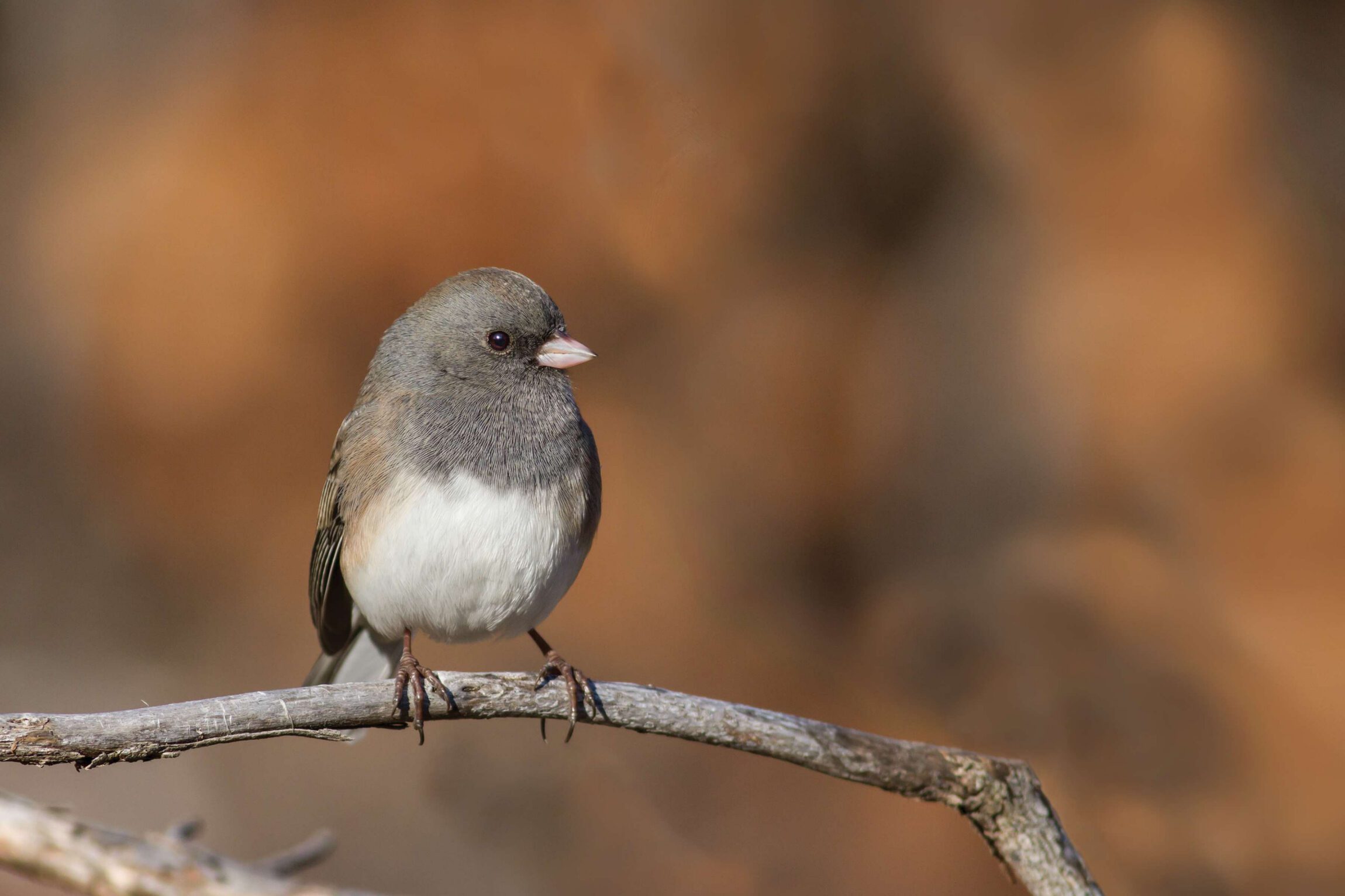
Submitted photo
Our little puffball friends, the juncos, will have started to arrive by the time this article goes to print. They are dependable, charcoal colored backyard birds and usually enjoy cleaning up what spills on the ground under feeders. A few other winter-specific birds will arrive from the north, such as the red-breasted nuthatches, purple finches and sometimes pine siskins. Goldfinches will remain here through winter, just not in their brilliant yellow colors have molted away. On many years you can see snowy owls at the MSP airport starting in late November. If you go up north more towards Duluth, you can find many other owl species such as the northern hawk owl, great gray owl, boreal owl, northern saw-whet owl, as well as the snowy owl. Sax-Zim Bog, a large area west of Duluth, is a popular place to see these owls and well worth a trip to see these unique birds.
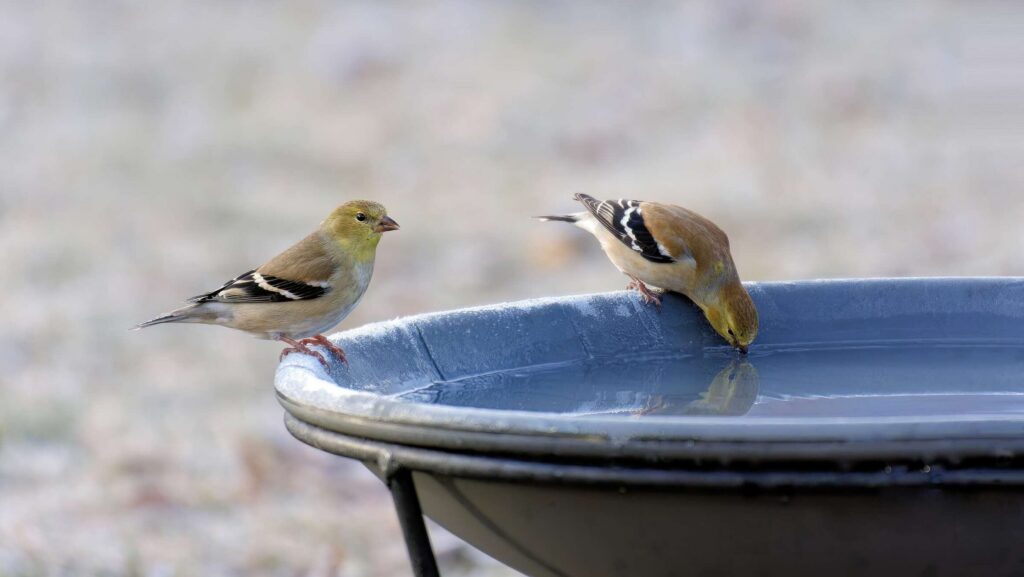
Fall is the time to put away your normal birdbaths and put out the plastic heated baths, if you have one. It’s important not to leave concrete, ceramic or glass birdbaths out as temperatures begin to get below freezing. Water becomes superhuman, and should a concrete bath be left out over winter, water freezing/thawing/refreezing in it can crack the basin and render it useless. You will be amazed at how busy a heated water source can become once open water becomes scarce!
Submitted photo
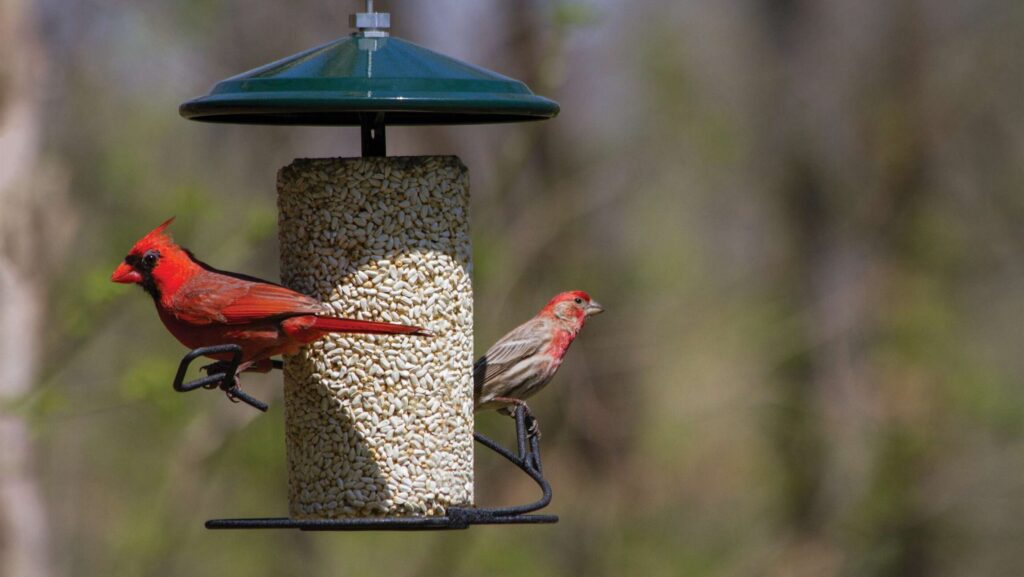
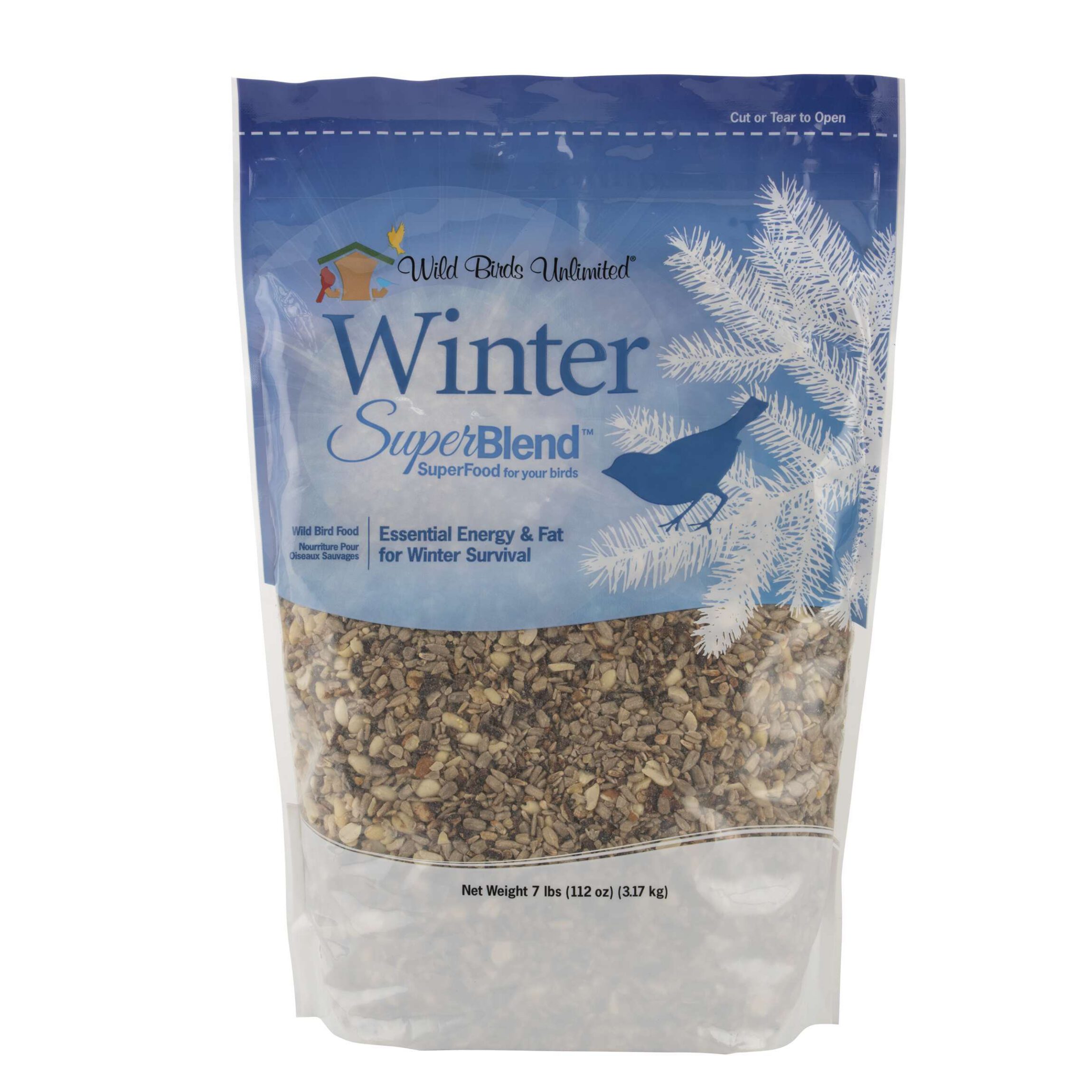
Fall is also the time to change to higher fat foods. Regular suet, sunflower seeds, golden safflower and peanuts are all high in fat. Suet is most commonly seen in square cakes, but can also be in forms of plugs, balls, spreadable paste and small nuggets. Even if you don’t have a dedicated suet feeder, you can mix in small suet nuggets with your bird seed to give it a fat boost. Winter SuperBlend is a seasonal food at my store that offers all the seed listed above as well as suet nuggets, called Bark Butter Bits.
You will notice birds in fall coming and going very quickly from the feeders vs just sitting and eating. They are frantically caching away seeds for the cold days ahead. Incredibly, they are able to remember where they put seeds in thousands of different locations, usually crevices in tree bark, under branches, or in cavities. They even tuck things away on your house behind wood siding, under shingles or in gutters. These stashes will be invaluable to them during the harsh days of winter ahead.
Fall is a critical time for birds to prepare for winter survival. You can give them an assist by offering quality, high-calorie foods for them to both eat now and stash away for later, as well as providing a dependable, open water source to drink from. They will thank you for your kindness!
Any content, resident submissions, guest columns, advertisements, and advertorials are not necessarily endorsed by or represent the views of Best Version Media LLC (BVM) or any municipality, homeowners associations, businesses, or organizations that this publication serves. BVM is not responsible for the reliability, suitability, or timeliness of any content submitted, inclusive of materials generated or composed through artificial intelligence (AI). All content submitted is done so at the sole discretion of the submitting party.