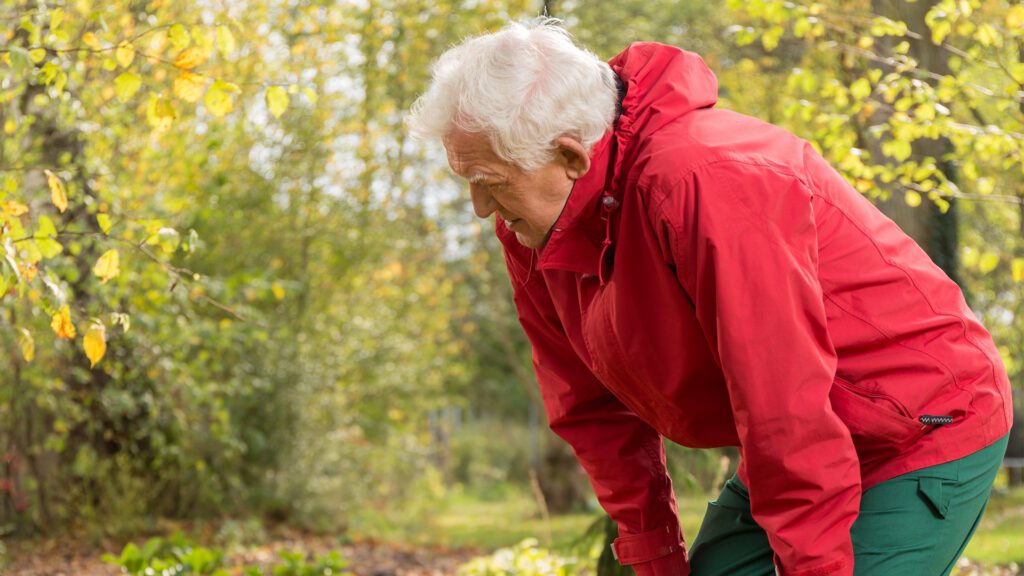
For many older adults, their home is where memories are made and routines established. Remaining in that familiar environment provides a sense of independence and control as people age.
AARP’s 2024 research shows 75% of adults over 50 want to age in place, yet many homes aren’t designed for changing needs.
Independence Doesn’t Mean Doing Everything Alone
Aging independently doesn’t mean handling every task alone. The right support helps preserve independence longer. Home maintenance is often overlooked. Tasks such as changing filters, cleaning gutters, or repairing handrails may become difficult or unsafe, and neglect can turn small problems into costly hazards.
The National Institute on Aging recommends regularly assessing the home for risks and making updates—like better lighting, grab bars, and clear walkways—to boost safety and accessibility. This is crucial because about one in four older adults experiences a fall each year and it’s the leading cause of injury among adults 65 and older.
A Safer Home Can Support a Healthier Life
Maintaining a home is part of a broader strategy to help older adults remain active and self-sufficient. Research supported by the National Institute on Aging has found that combining home modifications with occupational and physical therapy can improve mobility, functionality, and the ability to age in place. There are also emotional benefits to remaining at home. Familiar surroundings can help preserve established routines and connections to neighbors, friends, community organizations, and local services. A move away from home may mean losing some of those important social connections.
For family members, outside help with home maintenance can also bring peace of mind. Adult children may want to help but live elsewhere or have work and family responsibilities of their own. Having someone trustworthy and reliable handle routine upkeep allows families to focus less on whether the lawn needs attention or a repair has been completed—and more on spending meaningful time together.
Planning Ahead Matters
Aging in place works best with a proactive approach. Regular inspections, repairs, and improvements help homes serve residents as needs change. Supporting older adults at home isn’t about taking away independence, but creating the conditions for it to continue. With the right support, seniors can remain in homes they love—safely, comfortably, and with dignity. As global demographics shift, supporting independent living is becoming increasingly crucial. By 2050, the global population aged 60 or older is projected to reach 2 billion, up from 1 billion in 2020.
Home becomes a source of comfort and independence, but keeping up with maintenance and repairs can become difficult. For seniors, even a small issue can quickly grow into a major concern. And since many seniors are on fixed incomes, preventive maintenance helps avoid costly emergency repairs.
Supporting an older adult at home is not about taking away autonomy—it is about creating the conditions that allow independence to continue. With thoughtful planning, home modifications, and reliable maintenance support, seniors can safely and comfortably remain in the homes they love.
Any content, resident submissions, guest columns, advertisements, and advertorials are not necessarily endorsed by or represent the views of Best Version Media LLC (BVM) or any municipality, homeowners associations, businesses, or organizations that this publication serves. BVM is not responsible for the reliability, suitability, or timeliness of any content submitted, inclusive of materials generated or composed through artificial intelligence (AI). All content submitted is done so at the sole discretion of the submitting party.