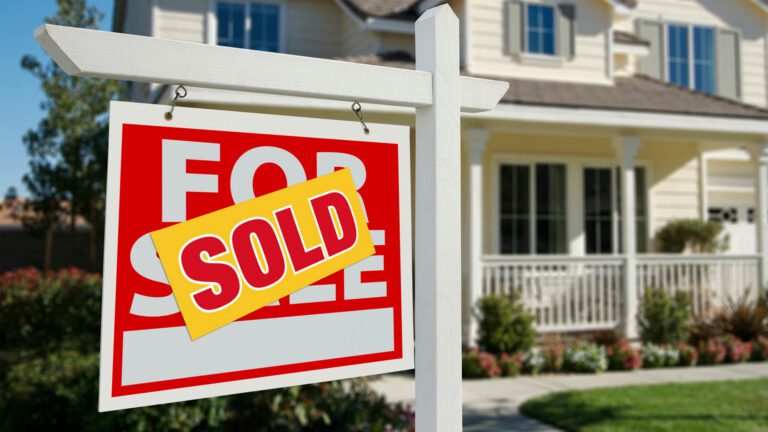
We’ve all done it. A “SOLD” sign goes up down the street, you hear what the house sold for, and immediately start doing the math on what your own home must be worth. It’s a great starting point—but one sale doesn’t necessarily establish the value of every home in the neighbourhood. When Realtors determine market value, we look at comparable sales, but finding a comparable involves much more than simply choosing a house nearby. Two homes on the same street can look very similar on paper and still have significantly different values.
Location within the neighbourhood matters. A quiet court, a property backing onto greenspace, or a premium lot can command a different price than a similar home on a busier street. Even within the same court, lot size, privacy and what sits behind the property can make a difference.
Size and layout matter too. Buyers don’t necessarily value every additional square foot equally. A well-designed 2,000-square-foot home may appeal to more buyers than a larger home with an awkward layout. The number and location of bedrooms and bathrooms, ceiling heights, natural light and overall flow can all influence value.
Then there’s the garage and basement. An attached double garage can have a different value than a single or detached garage. A professionally finished basement with a bathroom, bedroom or separate entrance may add considerable appeal—but rarely adds value dollar-for-dollar based on what it would cost to build.
Condition and renovations are another big factor. A new kitchen or updated bathrooms can certainly help, but spending $100,000 on renovations doesn’t automatically increase a home’s market value by $100,000. Buyers ultimately determine how much value they place on those improvements.
And sometimes, the biggest difference has very little to do with the houses themselves.
Timing and competition can change everything. A home that receives three offers may achieve a very different result than the identical home listed several months later with more inventory and fewer buyers. Interest rates, available listings and buyer confidence can all affect a sale price.
This is why determining market value is part data and part analysis. One neighbourhood sale can provide an important piece of the puzzle, but it’s rarely the entire picture.
So the next time you see that SOLD sign down the street, absolutely take notice. Just remember: when it comes to real estate, the details behind the sale often tell a much bigger story than the number on the SOLD sign.
Any content, resident submissions, guest columns, advertisements, and advertorials are not necessarily endorsed by or represent the views of Best Version Media LLC (BVM) or any municipality, homeowners associations, businesses, or organizations that this publication serves. BVM is not responsible for the reliability, suitability, or timeliness of any content submitted, inclusive of materials generated or composed through artificial intelligence (AI). All content submitted is done so at the sole discretion of the submitting party.