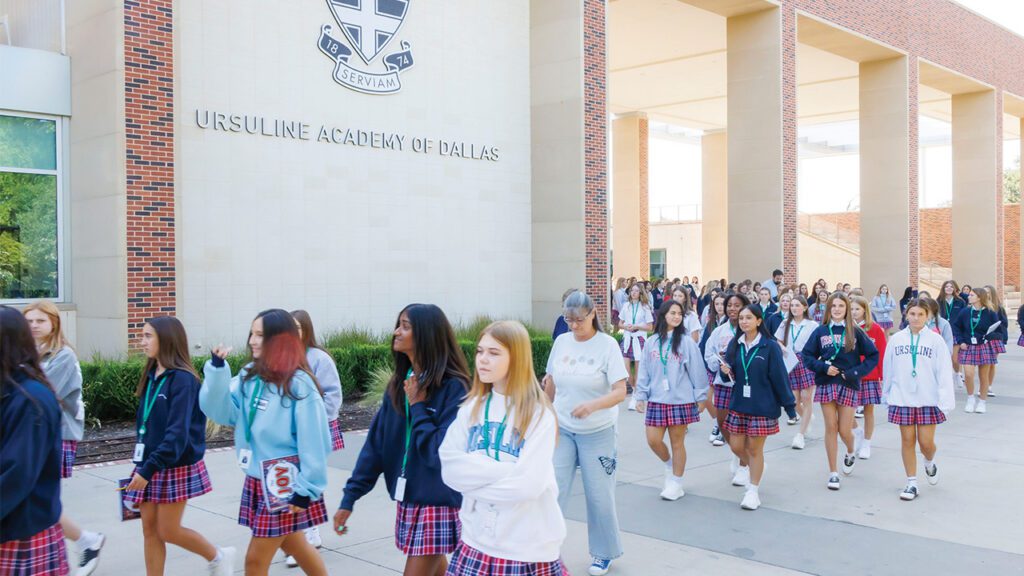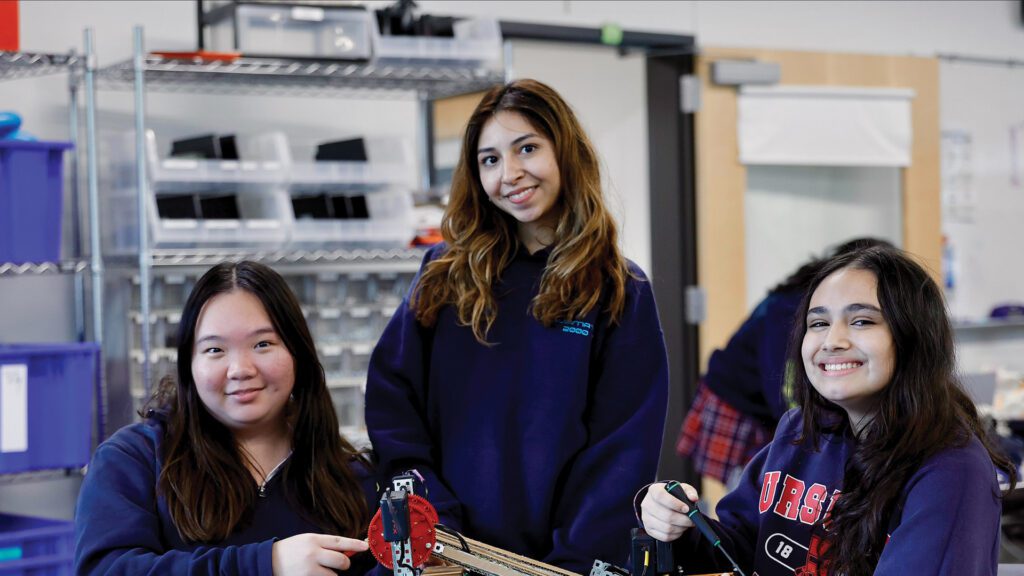
As a new school year begins, families think about backpacks, schedules, teachers and new friendships. But one of the most important preparations happens before the first bell rings: helping students understand how to keep themselves and others safe, online and in the world around them.
Today, safety extends beyond campus to digital spaces, transportation, extracurricular activities, friendships, social media and everyday decisions. The strongest approach is not to create fear, but to build awareness, confidence, communication and trust.
Parents should make safety an ongoing conversation rather than a once-a-year discussion. Talk with your child about where they will be, who they will be with, how they will get home and what they should do if a situation feels uncomfortable. Ask about their online lives.
Technology has blurred the line between school and home. The CDC reports that more than one in six high school students have experienced electronic bullying, including through texting and social media. Families can help by establishing clear expectations for social media and device use, reviewing privacy settings together and reminding students to think carefully before sharing personal information or responding to unfamiliar accounts. The goal is not surveillance; it is helping young people develop judgment and confidence to seek help.
Research shows that relationships are an important part of student safety. The CDC defines school connectedness as students’ belief that the adults and peers around them care about them, their well-being and their learning. Connected students are less likely to experience violence and other health risks.
That means a safe school is more than secure entrances and emergency procedures. It is a community where students are known by name, trusted adults are accessible and belonging is intentionally cultivated. When students know they are valued, they are more likely to ask questions, seek support and advocate for themselves and others. That sense of connection helps students recognize that speaking up is an important part of caring for themselves and their community.
Students should know what to do when they see or hear something concerning. The U.S. Secret Service and Cybersecurity and Infrastructure Security Agency emphasize trusted reporting systems that make it easier for students and community members to share concerns. Multiple reporting avenues can remove barriers to reporting.
Schools should explain reporting procedures, practice emergency protocols and ensure students know whom to approach. Families can reinforce the same message at home: If something doesn’t feel right, tell someone.
Ultimately, the safest communities are those in which families and schools work together. Parents provide consistent expectations and open communication. Schools provide thoughtful policies, trained adults, clear procedures and strong relationships. Students contribute by making responsible choices, looking out for their peers and speaking up when they need help.
Our responsibility extends beyond preparing students academically. We want young people to leave our schools equipped with the knowledge, confidence and character to navigate the world. Safety begins with preparation, but it grows through connection, communication and trust.
Any content, resident submissions, guest columns, advertisements, and advertorials are not necessarily endorsed by or represent the views of Best Version Media LLC (BVM) or any municipality, homeowners associations, businesses, or organizations that this publication serves. BVM is not responsible for the reliability, suitability, or timeliness of any content submitted, inclusive of materials generated or composed through artificial intelligence (AI). All content submitted is done so at the sole discretion of the submitting party.