Fall brings cooler temperatures, colorful leaves, pumpkin patches and Halloween! While families enjoy seasonal treats and festivities, Halloween can also create some unexpected dangers for our four-legged family members. The good news is that there are plenty of healthy fall foods your pet can enjoy, while a few common Halloween favorites should always be kept out of reach.
Pumpkin Can Be a Pet-Friendly Treat
Pumpkin is one of fall’s best foods for dogs and cats when served properly. Plain, cooked pumpkin or 100% pure pumpkin puree can provide fiber and may help support healthy digestion. Some veterinarians even recommend small amounts of pumpkin as part of a diet for pets experiencing occasional digestive upset.
Pumpkin is also a great prebiotic which supports the presence of important bacteria in their digestive tract. Feeding dogs prebiotic foods is a great way to strengthen their digestive health.
Pumpkin also contains nutrients such as vitamins A, C, and E, as well as antioxidants and minerals like iron and potassium. Feeding plain canned pumpkin gives a great boost to your dogs nutrition. Like most things, moderation is important. Too much pumpkin can cause digestive problems, and pumpkin pie filling is not the same as plain pumpkin. Pie fillings often contain added sugar, spices and other ingredients that aren’t appropriate for pets.
Some other fall favorites that are good for pets in moderation are unseasoned apples, sweet potatoes, and corn off the cob, and turkey with no bones or skin. If you’d like to share a little fall flavor with your pet, ask your veterinarian about an appropriate amount based on your pet’s size, diet and health.
Keep the Chocolate Away
Chocolate is one Halloween treat that should never be shared with your pet. Chocolate contains theobromine and caffeine, substances that dogs and cats can have difficulty metabolizing. The darker and more concentrated the chocolate, the greater the potential risk.
Depending on the amount and type consumed, chocolate can cause vomiting, diarrhea, restlessness, rapid heart rate, tremors and, in serious cases, seizures or other life-threatening complications.
If you believe your pet has eaten chocolate, don’t wait for symptoms to appear. Contact your veterinarian or an emergency veterinary hospital promptly. Be prepared to tell them what type of chocolate was eaten, approximately how much, when it was consumed, and your pet’s approximate weight.
Candy Isn’t for Pets Either
Chocolate isn’t the only Halloween hazard. Candy, especially sugar-free candy, can be dangerous as well. Some sugar-free products contain xylitol, an ingredient that can cause a rapid and potentially dangerous drop in blood sugar in dogs and may result in serious illness.
Wrappers can also become a problem if pets sneak into a bowl of candy. Foil and plastic wrappers can cause choking or intestinal obstruction if swallowed.
A Safe Halloween for Everyone
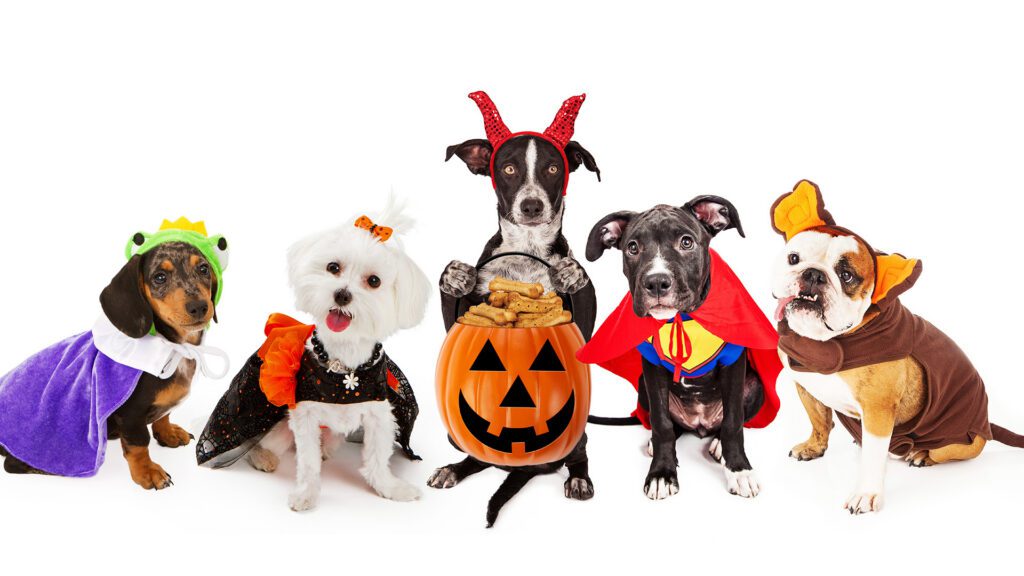
Halloween can be fun for your pets, too. Consider giving them a small pet-friendly treat, a little plain pumpkin, or a favorite toy while the family enjoys the festivities. Keep candy bowls, treat bags and Halloween decorations safely out of reach, and remind children that their treats are for people—not pets.
With a little planning, you can enjoy all the fun and flavors of fall while keeping your furry family members happy, healthy and safe. After all, Halloween is much more enjoyable when everyone gets to celebrate!
Any content, resident submissions, guest columns, advertisements, and advertorials are not necessarily endorsed by or represent the views of Best Version Media LLC (BVM) or any municipality, homeowners associations, businesses, or organizations that this publication serves. BVM is not responsible for the reliability, suitability, or timeliness of any content submitted, inclusive of materials generated or composed through artificial intelligence (AI). All content submitted is done so at the sole discretion of the submitting party.