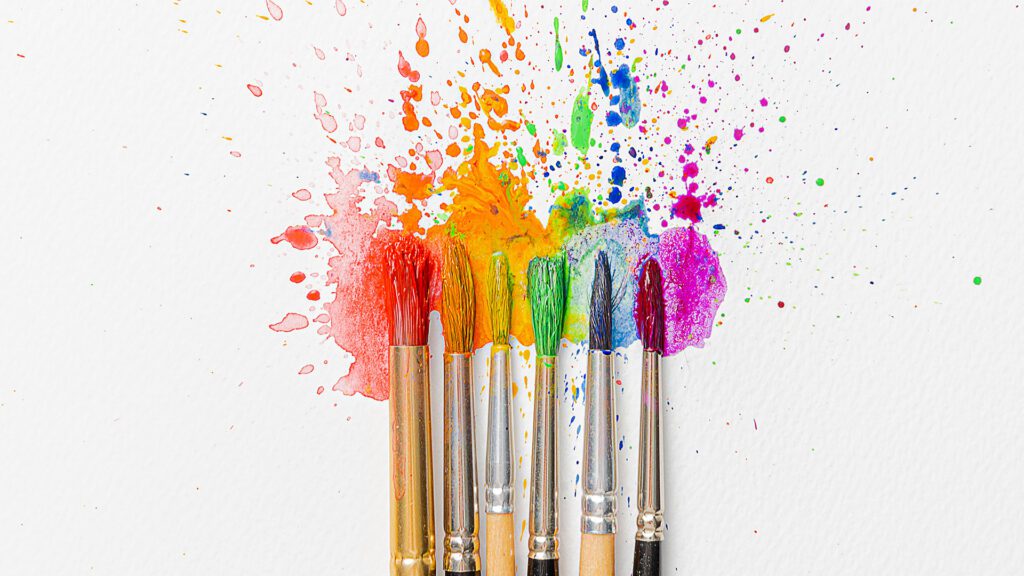
Art is more than a form of entertainment. Research shows that creating and experiencing art can improve both mental and physical health. Whether someone paints, draws, writes, plays music or visits an art museum, engaging with the arts can have positive effects on well-being. People of all ages can use art to reduce stress, strengthen brain function and improve their quality of life.
One of the greatest benefits of art is its ability to support mental health. Studies show that creativity helps people regulate emotions, improve cognitive flexibility and build social connections. Art provides a safe and healthy way to express thoughts and feelings that may be difficult to communicate through words alone. Activities such as painting, drawing and crafting encourage self-expression and can help individuals better understand their emotions. Experts suggest focusing on the creative process rather than the final product because the act of creating is what produces the strongest mental health benefits.
Art is also an effective tool for reducing stress. Research has found that just 45 minutes of making art can significantly lower cortisol levels, the hormone linked to stress. High cortisol levels over long periods can contribute to problems such as poor sleep, weakened immunity and high blood pressure. Creating art allows people to relax, focus on the present moment and temporarily step away from everyday worries. Many individuals experience a state called “flow,” where they become deeply absorbed in a creative activity, which promotes calmness and emotional balance.
Another important benefit of art is its effect on the brain. Studies show that both making and viewing art activate neural circuits associated with emotion regulation. Creating art can strengthen communication between different regions of the brain, improving creativity, self-awareness and problem-solving skills. Researchers have also found that regular participation in arts activities may help protect the brain as people age. Older adults who attend art events, participate in workshops or engage in creative hobbies often show slower cognitive decline and stronger memory skills than those who do not participate in the arts.
Art can also improve physical health. Research suggests that viewing original artwork may reduce inflammation, which is associated with heart disease, diabetes, anxiety and depression. Arts-based interventions have been shown to help people manage chronic pain by reducing stress, anxiety and negative emotions. Music, visual arts, writing and movement-based therapies can all contribute to a better quality of life and overall health.
Finally, art encourages resilience and connection. Arts education helps children and teenagers develop empathy, cope with challenges and recover from difficult experiences. Older adults also benefit through improved mood, communication and social interaction.
In conclusion, art is a powerful tool that supports emotional, mental and physical health. By reducing stress, strengthening the brain, encouraging self-expression and improving well-being, art provides valuable benefits for people throughout their lives.
Any content, resident submissions, guest columns, advertisements, and advertorials are not necessarily endorsed by or represent the views of Best Version Media LLC (BVM) or any municipality, homeowners associations, businesses, or organizations that this publication serves. BVM is not responsible for the reliability, suitability, or timeliness of any content submitted, inclusive of materials generated or composed through artificial intelligence (AI). All content submitted is done so at the sole discretion of the submitting party.