Scroll through Instagram or TikTok long enough and you may begin to notice that many faces start to look remarkably similar: a tiny, perfectly straight nose, a sharply defined tip, full lips and a sculpted jawline. Filters and editing tools can create these features instantly, and social media has made it easier than ever to find thousands of rhinoplasty before-and-after photographs.
The problem is that faces are not interchangeable—and neither are noses.
One of the most common things I hear during a rhinoplasty consultation is, “I like this nose,” often accompanied by a photograph of a celebrity, influencer or another surgeon’s patient. These photographs can be helpful because they allow a patient to communicate what he or she finds attractive. But they should be a starting point for a conversation, not a surgical blueprint.
A nose that looks beautiful on one person may look completely out of place on another. The ideal nasal shape depends on the proportions of the entire face: the eyes, cheekbones, chin, forehead and lips, as well as the patient’s underlying bone and cartilage. Even height, facial width and overall body proportions can influence how we perceive a nose.
There is another problem with designing a nose for social media: the camera itself can be misleading. A photograph taken at close range with a smartphone can exaggerate the center of the face, particularly the nose. Lighting, camera angle, makeup and digital filters can alter facial proportions even further. The image on your phone is not necessarily the face that other people see when they are sitting across from you.
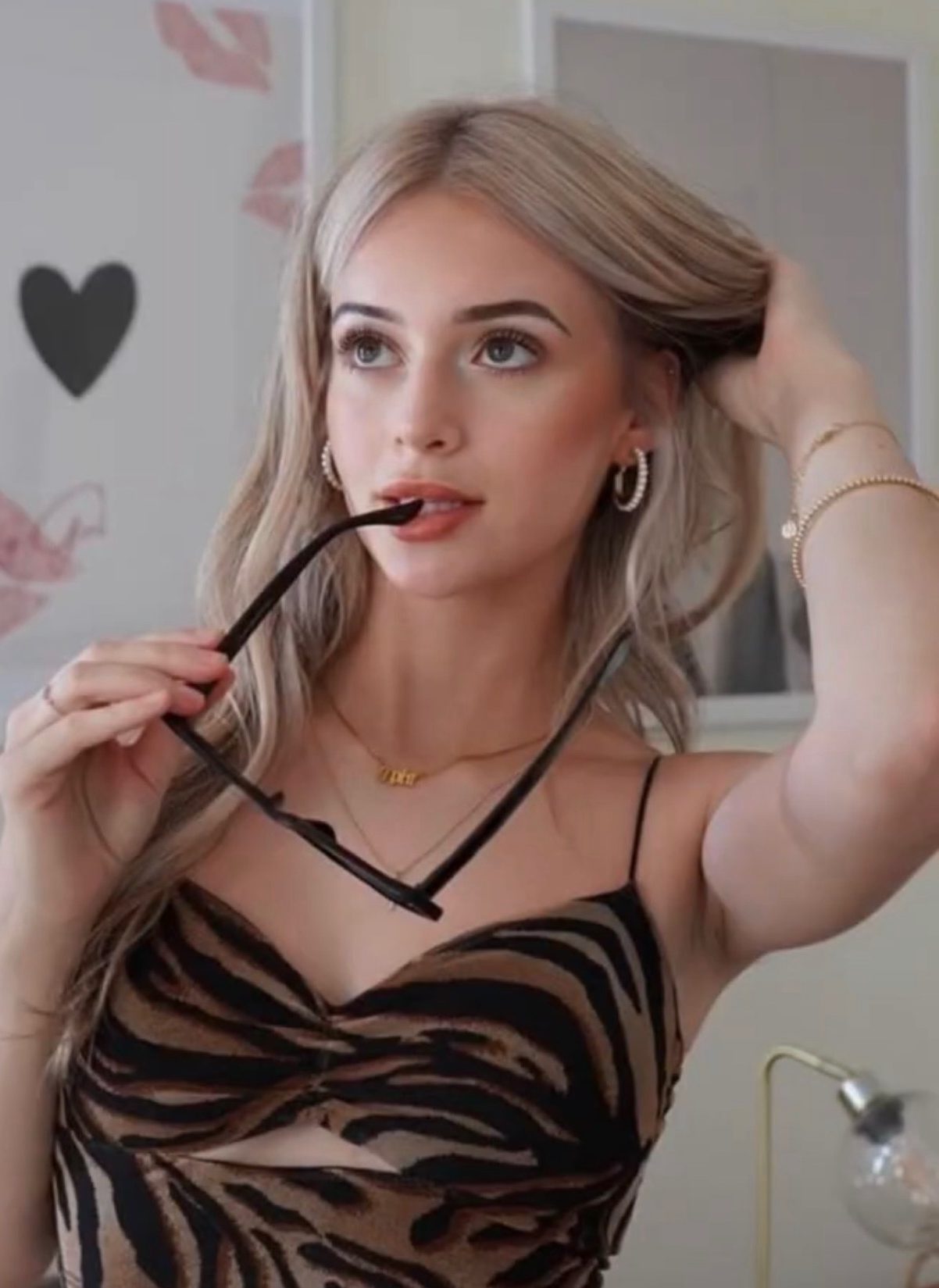
A real-life patient of Dr. Robert Morin, one year post-op. (Submitted photo)
Rhinoplasty is also very different from changing a hairstyle or following a clothing trend. Surgery creates a permanent structural change. The nose we create today needs to continue to look appropriate five, ten and twenty years from now—long after today’s beauty trend has disappeared.
For that reason, I believe successful rhinoplasty begins by asking a different question. Instead of “What nose do you want?” I prefer to ask, “What bothers you about your nose?”
Perhaps it is a bump that dominates the profile. Maybe the nose appears crooked, the tip feels too wide, or the nose seems out of proportion with the rest of the face. Once those specific concerns are identified, the goal becomes much clearer: correct what is distracting while preserving the features that belong to that individual.
The best rhinoplasty should not make someone look like an influencer, a celebrity or even another rhinoplasty patient. It should make the face look more balanced while still allowing the patient to look unmistakably like himself or herself.
Social media can be a wonderful source of information and inspiration. But when it comes to rhinoplasty, inspiration and imitation are very different things.
Faces are individual. Rhinoplasty should be, too.
Any content, resident submissions, guest columns, advertisements, and advertorials are not necessarily endorsed by or represent the views of Best Version Media LLC (BVM) or any municipality, homeowners associations, businesses, or organizations that this publication serves. BVM is not responsible for the reliability, suitability, or timeliness of any content submitted, inclusive of materials generated or composed through artificial intelligence (AI). All content submitted is done so at the sole discretion of the submitting party.