One of the most common reactions I hear from homeowners after installing a heat pump is, “Why does this thing seem like it’s always running?” The answer is simple: Modern heat pumps are designed to operate very differently from traditional furnaces and air conditioners—and in most cases, that difference is exactly what makes them so efficient and comfortable.
Old-school furnaces and air conditioners act like a light switch; they’re either 100% on or completely off. They blast air at full speed until they hit the target temperature, then shut down until the house drifts back to being uncomfortable.
Submitted photo
Modern heat pumps work more like cruise control. They adjust their power to match exactly what your home needs at any given moment. On a mild day, the system might run at a very low, quiet speed for hours. This long, steady operation is actually much more efficient than the constant starting and stopping of traditional units. It uses less electricity and prevents those annoying temperature swings, keeping your home at a more consistent and comfortable temperature all day long. That means that a heat pump running continuously does not necessarily mean it is using a tremendous amount of electricity.
The “cruise control” concept also improves comfort. Longer run times help maintain an even temperature throughout the house, reduce temperature swings, improve air circulation, and can provide better humidity control during the cooling season.
Heat pumps also change the way we think about the equipment itself. With traditional central air conditioning, homeowners are accustomed to seeing one large outdoor condenser connected to a single indoor system. Heat pump systems can be configured very differently. One outdoor unit may serve several different indoor units throughout the home. In some applications, a single condenser can independently control four or more rooms or zones. This flexibility is one of the technology’s biggest advantages, but proper system design is critical. Bigger is not always better, and simply adding more indoor units does not automatically create a better system.

Submitted photo
There are also practical considerations homeowners should understand. Heat pumps rely entirely on electricity, so during a power outage, they cannot operate unless the home has a generator or another backup power source. Most modern systems will automatically restart after power is restored, although there can be a short delay as the equipment goes through its protective startup sequence.
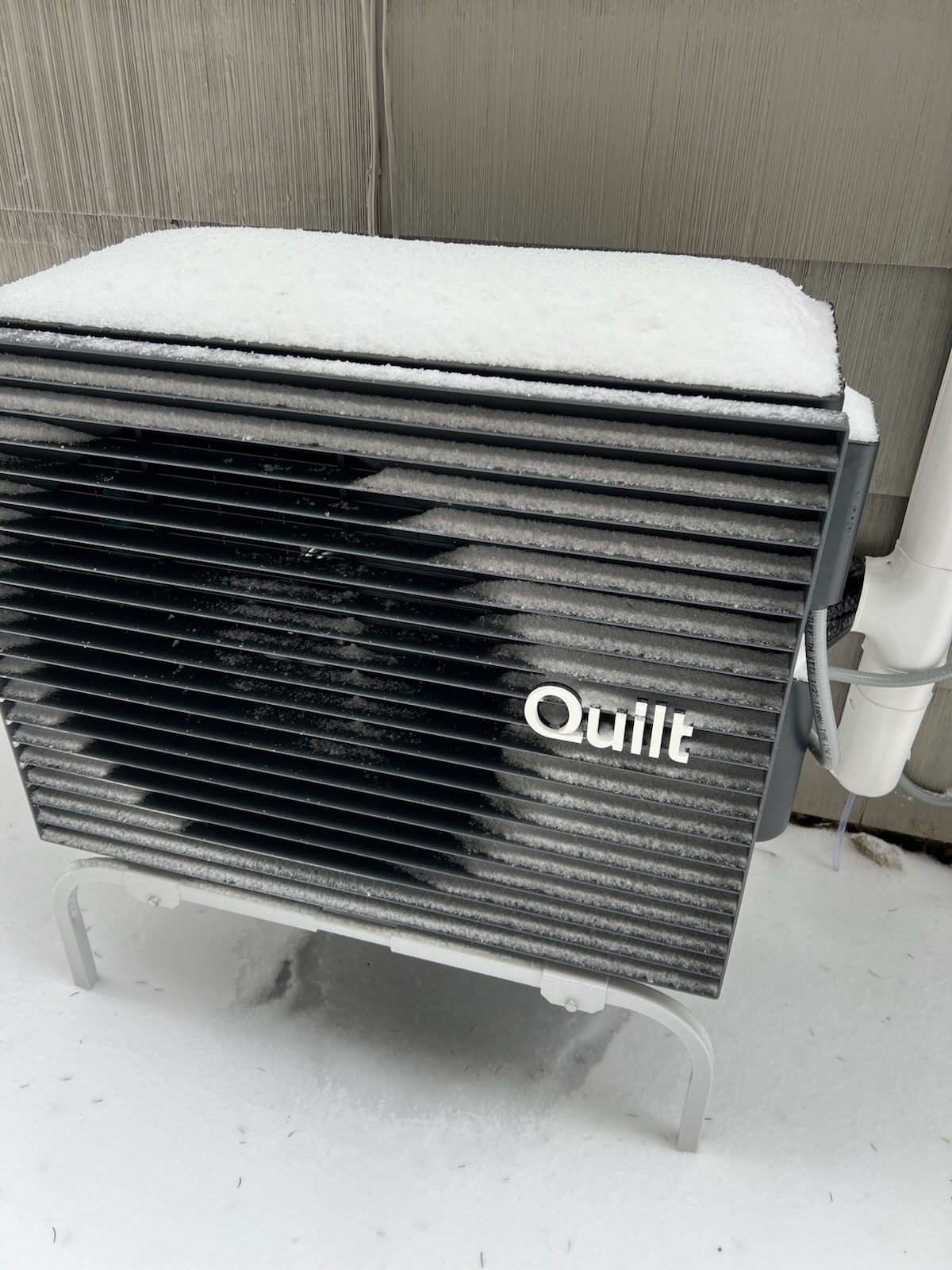
Outdoor unit placement matters as well. Homeowners often want to hide condensers with shrubs, fencing, or decorative screens. That is understandable, but airflow cannot be compromised. Plants, leaves, snow, fencing, and other obstructions can dramatically affect performance if they are placed too close to the equipment.
Heat pumps are not simply replacements for furnaces and air conditioners; they represent a different way of heating and cooling a building. Once homeowners understand how they are designed to operate, many of the things that initially seem unusual—long run times, variable operation, multiple indoor zones, and different outdoor-unit configurations—begin to make a lot more sense. And when they are properly designed and installed, those differences can translate into better comfort, greater efficiency, and a more adaptable home comfort system.
Because heat pumps operate very differently from traditional air conditioning and heating systems, proper design and installation matter more than ever. Choosing a qualified HVAC contractor with real heat pump experience is critical to ensuring the system performs efficiently, reliably, and as intended.
Any content, resident submissions, guest columns, advertisements, and advertorials are not necessarily endorsed by or represent the views of Best Version Media LLC (BVM) or any municipality, homeowners associations, businesses, or organizations that this publication serves. BVM is not responsible for the reliability, suitability, or timeliness of any content submitted, inclusive of materials generated or composed through artificial intelligence (AI). All content submitted is done so at the sole discretion of the submitting party.