Simple Ways to Make Physical Activity Part of Your Family’s Everyday Routine
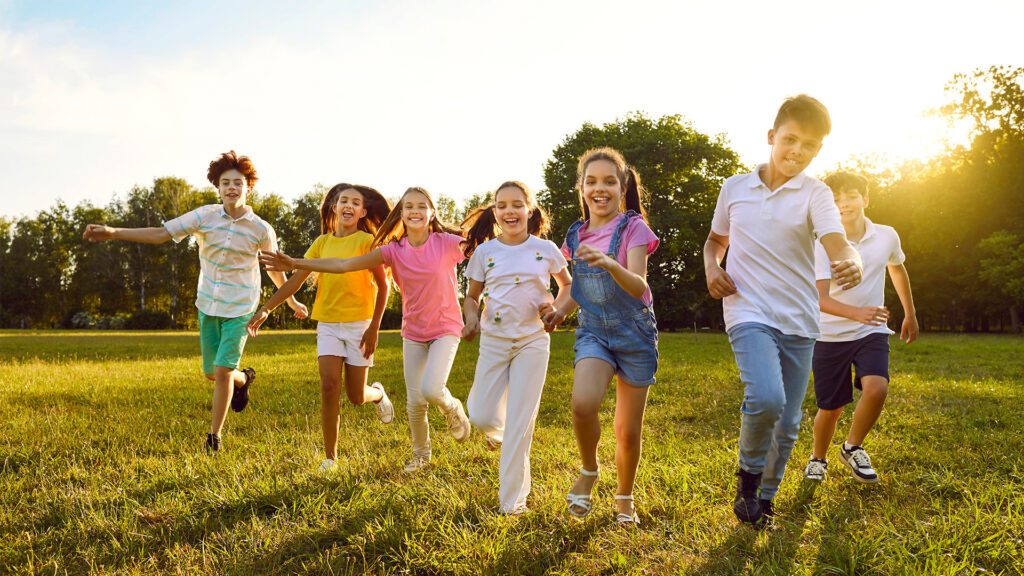
Once the school year gets busy, physical activity is often one of the first things to disappear. Between school, homework, screens, and packed family schedules, children can easily spend most of the day sitting.
That matters more than many parents realize. Too much inactivity can contribute to unhealthy weight gain, weaker muscles and bones, poor cardiovascular fitness, and reduced coordination. Children who spend a great deal of time sitting may also have less energy and difficulty developing healthy habits that can carry into adulthood. Just as importantly, long periods of inactivity can replace time that could be spent developing social skills, confidence, and independence through active play.

Submitted photo
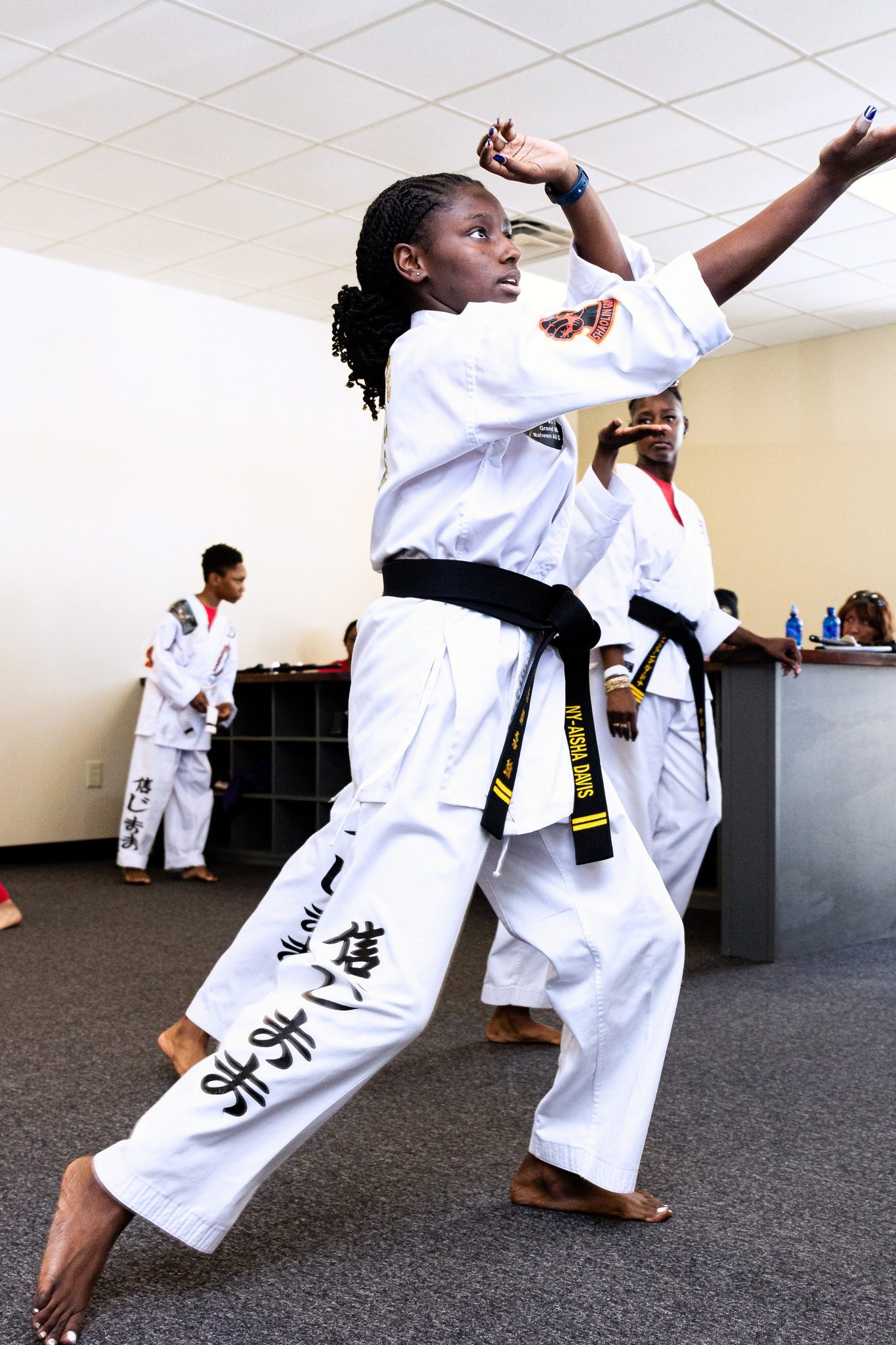
As a martial arts instructor, I see the value of regular movement every day. Children don’t need to become competitive athletes to benefit from it. They simply need consistent opportunities to move.
One of the easiest ways to make that happen is to establish a routine. Rather than giving children a long list of activities to choose from, pick a few that work for your family and make them part of the week. A family walk after dinner, time outside before homework, or a scheduled recreational activity can become something children expect rather than something they have to be reminded to do.
Parents don’t have to turn the house into a gym, either. A trip to the park, a bike ride, playing catch in the yard, or walking the dog can provide plenty of movement. The important part is consistency.
It’s also helpful to set reasonable limits around sedentary activities. Screens are an unavoidable part of modern childhood, and they have their place. But when television, video games, phones, and tablets consistently replace outdoor play or physical activity, children can quickly settle into an inactive routine. Establishing clear times for screens and encouraging movement before or between periods of screen use can help maintain a healthier balance.
Submitted photo
Children also learn from what they see. If parents regularly take walks, exercise, spend time outdoors, or participate in recreational activities, children are more likely to view an active lifestyle as normal. You don’t have to be an athlete yourself. Making movement part of family life is what matters.
Most importantly, physical activity shouldn’t always be about competition or performance. Children benefit simply from moving their bodies, learning physical skills, and challenging themselves. Over time, those experiences can build strength, coordination, confidence, and resilience.
The school year will always be busy, and there will be days when everyone is tired. The goal isn’t to create a perfect schedule. It’s to make regular movement a normal part of childhood.
A little activity each day is far better than waiting for the perfect opportunity. The habits children build now can influence how they approach their health and fitness for years to come.
Any content, resident submissions, guest columns, advertisements, and advertorials are not necessarily endorsed by or represent the views of Best Version Media LLC (BVM) or any municipality, homeowners associations, businesses, or organizations that this publication serves. BVM is not responsible for the reliability, suitability, or timeliness of any content submitted, inclusive of materials generated or composed through artificial intelligence (AI). All content submitted is done so at the sole discretion of the submitting party.