Know what to look for this Fall
After months of Southern heat and limited rainfall, fall is an important time to take a closer look at the pine trees around your home. A long, dry summer can place significant stress on pines, weakening their natural defenses and making them more vulnerable to pine bark beetles.
By the time cooler weather arrives, homeowners may begin noticing signs of an infestation that started weeks or even months earlier.
Why Stressed Pines Are Vulnerable
Healthy pine trees produce resin, or pitch, as a natural defense against invading beetles. When a tree is stressed by drought, extreme heat, root damage, storms, or overcrowding, that defense can become weakened.
Beetles can then bore beneath the bark and interfere with the tree’s ability to transport water and nutrients. Once an infestation becomes established, a pine can decline quickly.
Know the Warning Signs
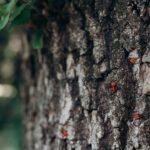
As you spend time in your yard this fall, watch for popcorn-like spots of resin on the trunk, fine reddish-brown sawdust around the bark or base, small holes in the trunk, thinning areas in the canopy, or needles changing from green to yellow, rust-colored, or brown.
If multiple nearby pines are showing similar symptoms, it may be time to have them evaluated.
More Than a Tree Problem
A dead or severely weakened pine can become a serious property hazard. As the tree deteriorates, branches become dry and brittle. Fall winds, thunderstorms, and winter weather can cause limbs or even an unstable tree to fall, potentially damaging homes, vehicles, fences, outdoor structures, or neighboring property.
Dead and dry tree material can also add combustible fuel around your property during extended dry conditions.
The concern may not stop with one tree. Depending on the beetle species and surrounding conditions, nearby stressed pines may also be vulnerable.
Address the Tree and the Problem
At Branched Out Tree Service, we look beyond simply removing a damaged tree. We evaluate what is happening and consider the health of surrounding trees.
When appropriate, preventive insecticide applications may be recommended to help protect healthy, at-risk pines. Proper removal and management of infested material can also help reduce the risk of a larger problem.
Timing matters. Once a pine is heavily infested, treatment generally cannot reverse the damage.
Pines are evergreens, so significant browning or needle loss shouldn’t automatically be dismissed as seasonal change. With Fall winds and winter storms ahead, now is the time to have questionable trees evaluated.
Early action can help protect your trees, your property, and the healthy landscape around your home.
Any content, resident submissions, guest columns, advertisements, and advertorials are not necessarily endorsed by or represent the views of Best Version Media LLC (BVM) or any municipality, homeowners associations, businesses, or organizations that this publication serves. BVM is not responsible for the reliability, suitability, or timeliness of any content submitted, inclusive of materials generated or composed through artificial intelligence (AI). All content submitted is done so at the sole discretion of the submitting party.