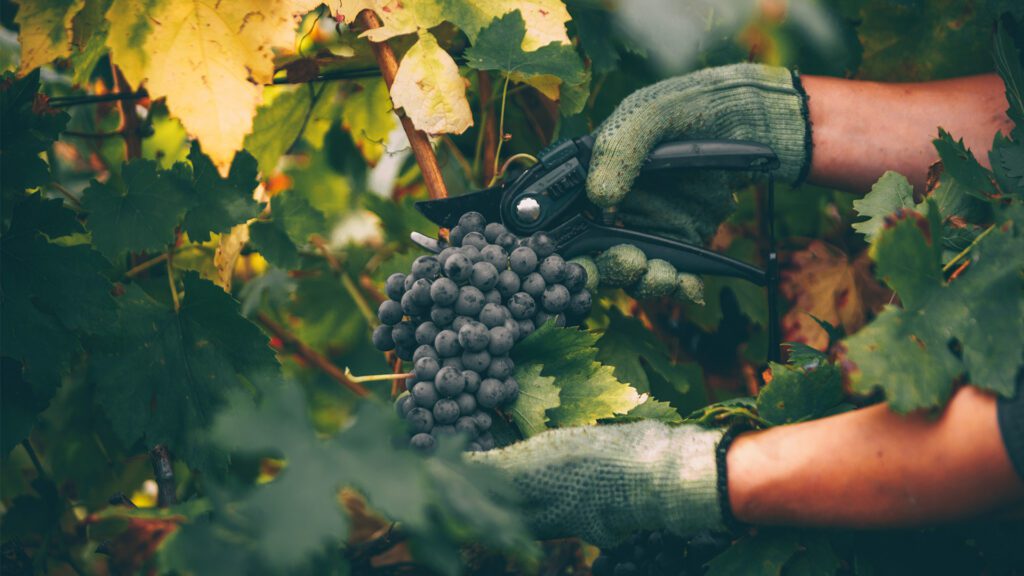
October is one of the most critical months in the wine industry, as many Northern Hemisphere regions enter the final stages of harvest. At this point, vineyard managers and winemakers closely monitor grape maturity through key metrics such as Brix, pH, titratable acidity, and phenolic ripeness to determine the optimal picking date.
Harvest decisions during October directly influence wine style and quality. Warm, sunny conditions can accelerate sugar accumulation and flavor development, while cool nights help preserve acidity and aromatic compounds. Unexpected rainfall, however, can dilute fruit concentration and increase disease pressure, forcing producers to adjust harvest schedules.
Once grapes reach the winery, the focus shifts to fermentation. Red wine fermentations typically emphasize tannin and color extraction through punch-downs or pump-overs, while white wine fermentations are often conducted at lower temperatures to retain delicate aromas. Winemakers closely track fermentation kinetics, temperature, and yeast health to ensure a complete and balanced conversion of sugar into alcohol.
October is also the period when wineries begin making key stylistic decisions. Fermentation temperatures, extraction intensity, and vessel selection all contribute to the final character of the wine. For many premium producers, the quality of the vintage is shaped not only by the growing season but also by the precision of these harvest and fermentation choices.
In technical terms, October represents the intersection of viticulture and enology. The fruit that has developed over months in the vineyard is transformed into wine through a series of carefully managed biological and chemical processes. The success of these operations ultimately determines a wine’s balance, structure, aging potential, and expression of terroir, making October one of the most consequential months in the annual winemaking cycle.
Any content, resident submissions, guest columns, advertisements, and advertorials are not necessarily endorsed by or represent the views of Best Version Media LLC (BVM) or any municipality, homeowners associations, businesses, or organizations that this publication serves. BVM is not responsible for the reliability, suitability, or timeliness of any content submitted, inclusive of materials generated or composed through artificial intelligence (AI). All content submitted is done so at the sole discretion of the submitting party.