There’s nothing quite like stepping into the garden with a cup of coffee in hand in the morning, only to discover that the pepper plant you carefully tucked into the soil yesterday has been reduced to a stem.
Rabbits can be incredibly persistent, especially when young, tender vegetables are involved. But protecting your harvest doesn’t have to mean waging war on the wildlife in your yard—or buying another spray or gadget. It begins with smart garden design.
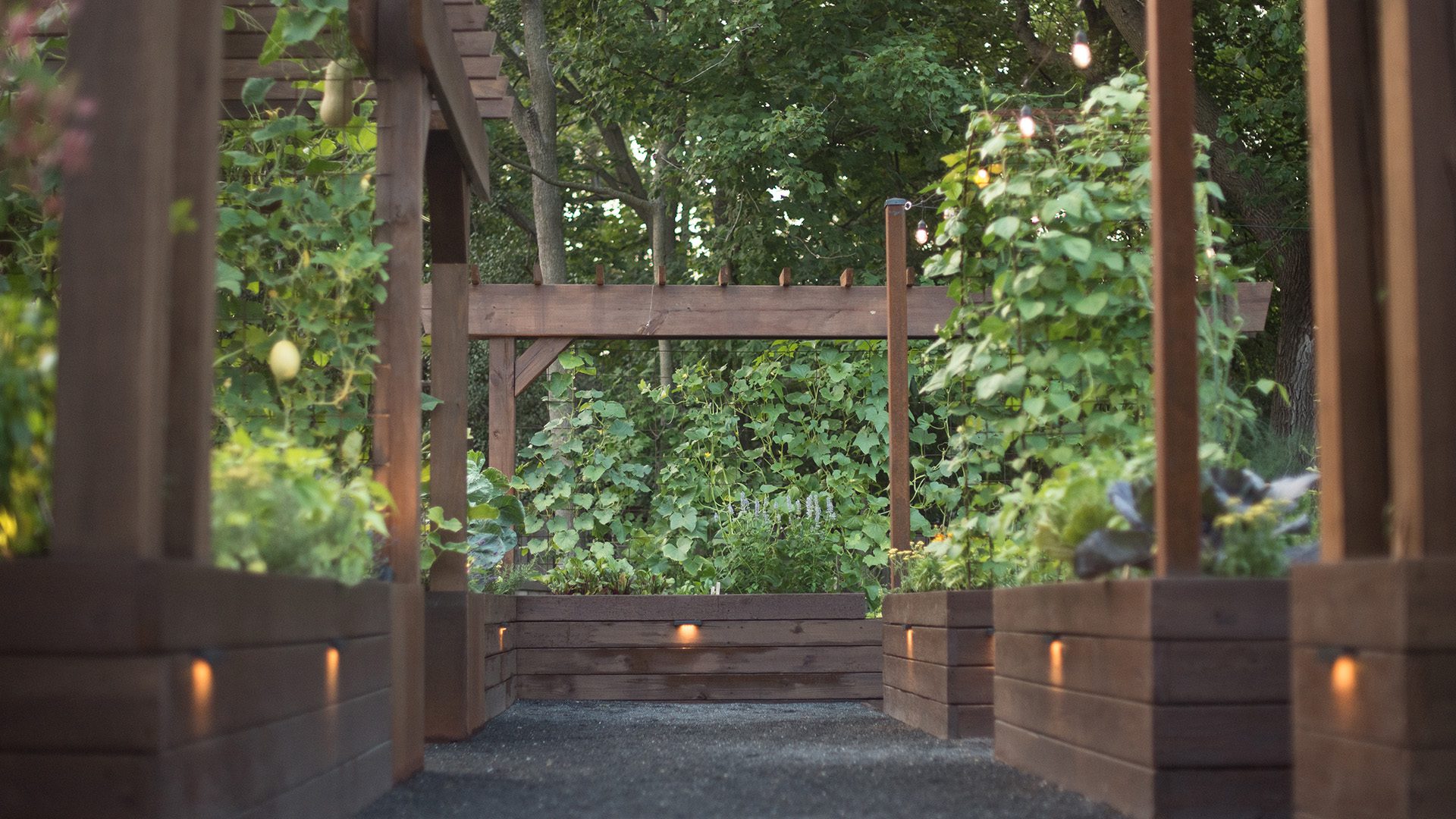
Start With Elevated Raised Beds
One of the best defenses against rabbits is simply putting more distance between them and dinner.
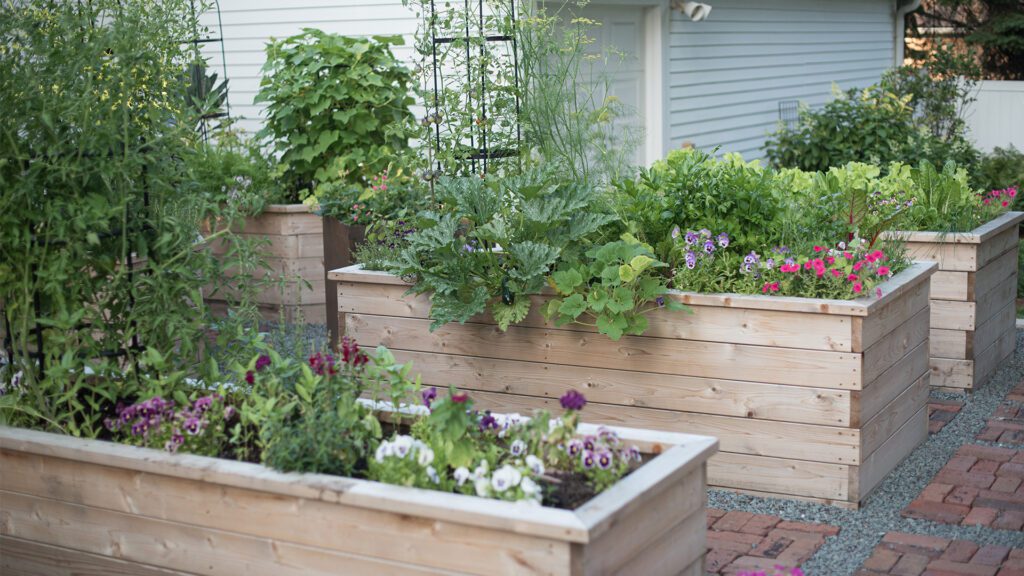
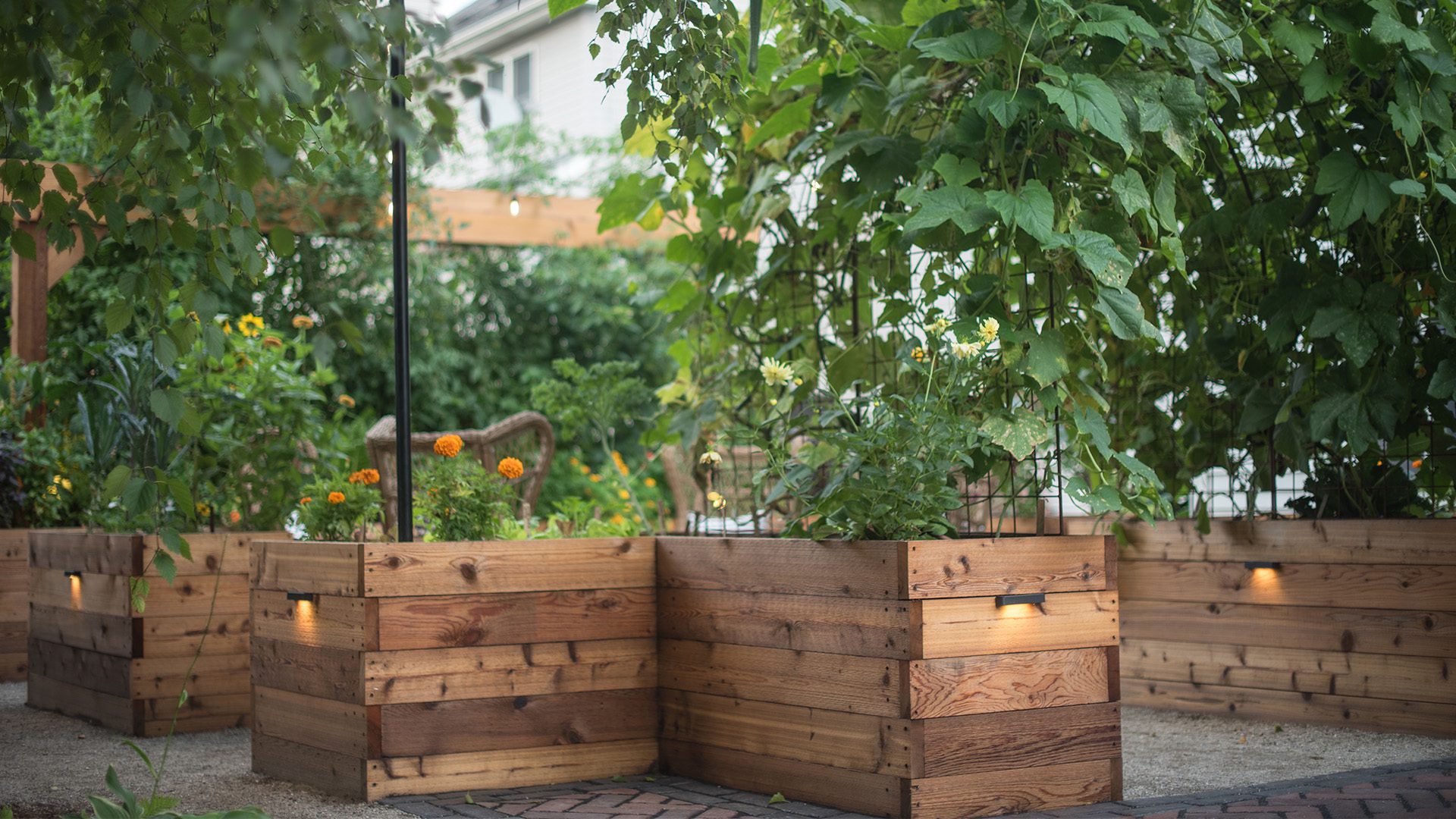
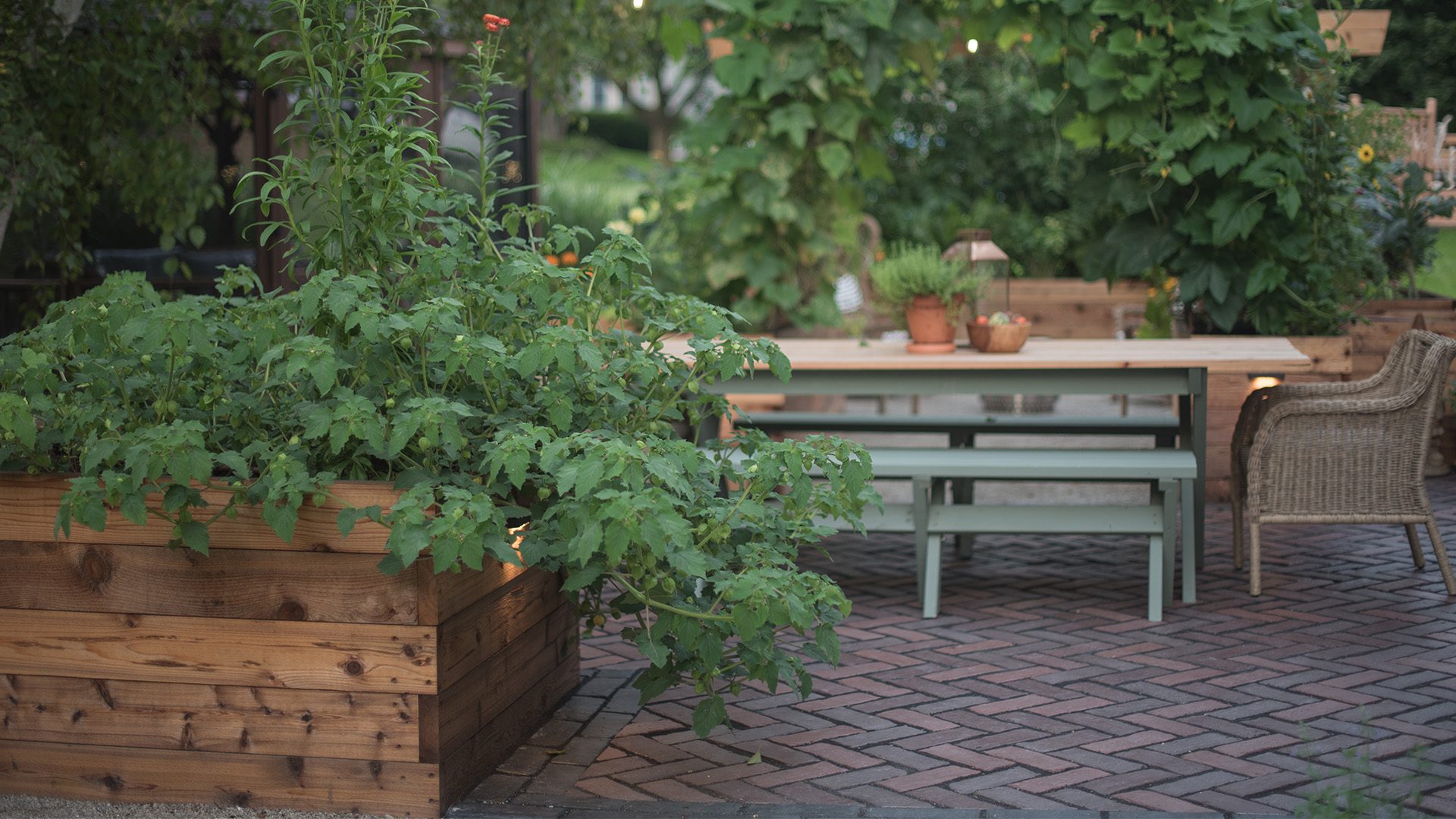
I love elevated raised beds because they create beautiful structure, give you greater control over your growing environment and make gardening easier on your back. When rabbits are heavily populated in an area, height provides another important advantage.
In the gardens I design, we typically aim for raised beds that are 2½ to 3 feet tall, creating a strong first line of defense between hungry rabbits and your harvest.
Rethink Your Salad Bar Placement
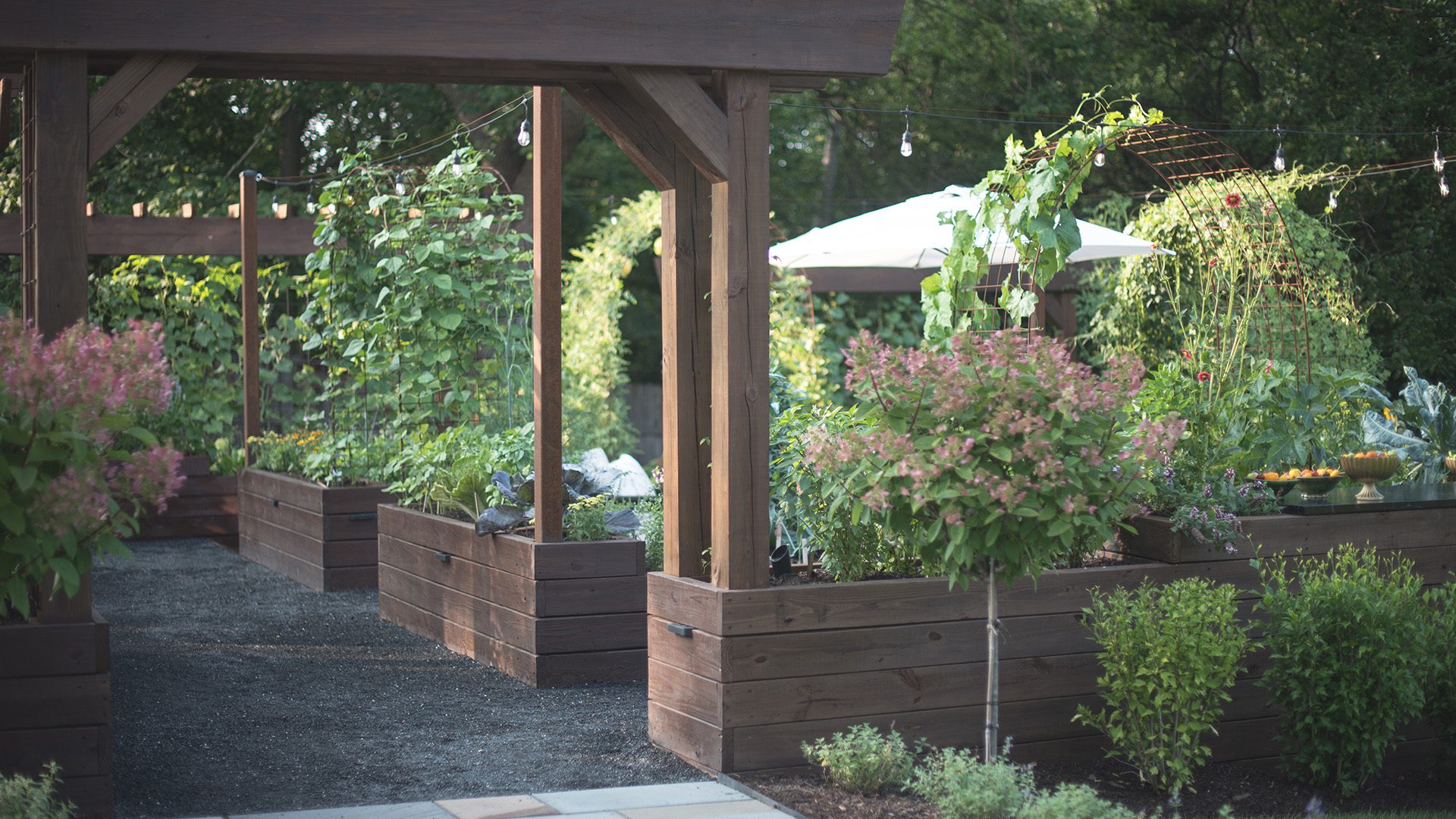
Think about your garden from a bunny’s perspective. Tender crops like lettuce, kale and Swiss chard planted along the outside edge of a bed are essentially a conveniently located salad bar.
Instead, keep these tempting crops toward the center and surround them with plants rabbits may find less appealing. Aromatic herbs like oregano, thyme, sage and rosemary are great choices, along with onions and marigolds, whose distinctive scents rabbits tend to avoid.
Companion planting isn’t rabbit-proof, but thoughtful placement can make vulnerable vegetables harder to reach and less enticing.
Leave a Little Clover
Here’s a strategy that may sound counterintuitive: let some clover grow in your lawn.
Rabbits love clover. Giving them an easy food source elsewhere in the yard may make your vegetable garden less tempting. Clover also provides food for pollinators and adds diversity to the backyard ecosystem—a simple example of working with nature rather than against it.
Protect Young Plants
Pay particular attention to newly planted vegetables. Rabbits love tender new growth, and the first month after planting is when your rabbit strategy matters most.
Rabbits tend to eat what they can easily reach, generally within the first 1 to 2 feet above the soil line. This makes young peppers, beans, lettuce and other leafy vegetables particularly vulnerable.
As plants mature and more growth moves beyond a rabbit’s easy reach, the risk often decreases. A pepper plant, for example, becomes less vulnerable once it grows taller and begins setting fruit higher on the plant, around 3 feet off the ground.
Work With Nature
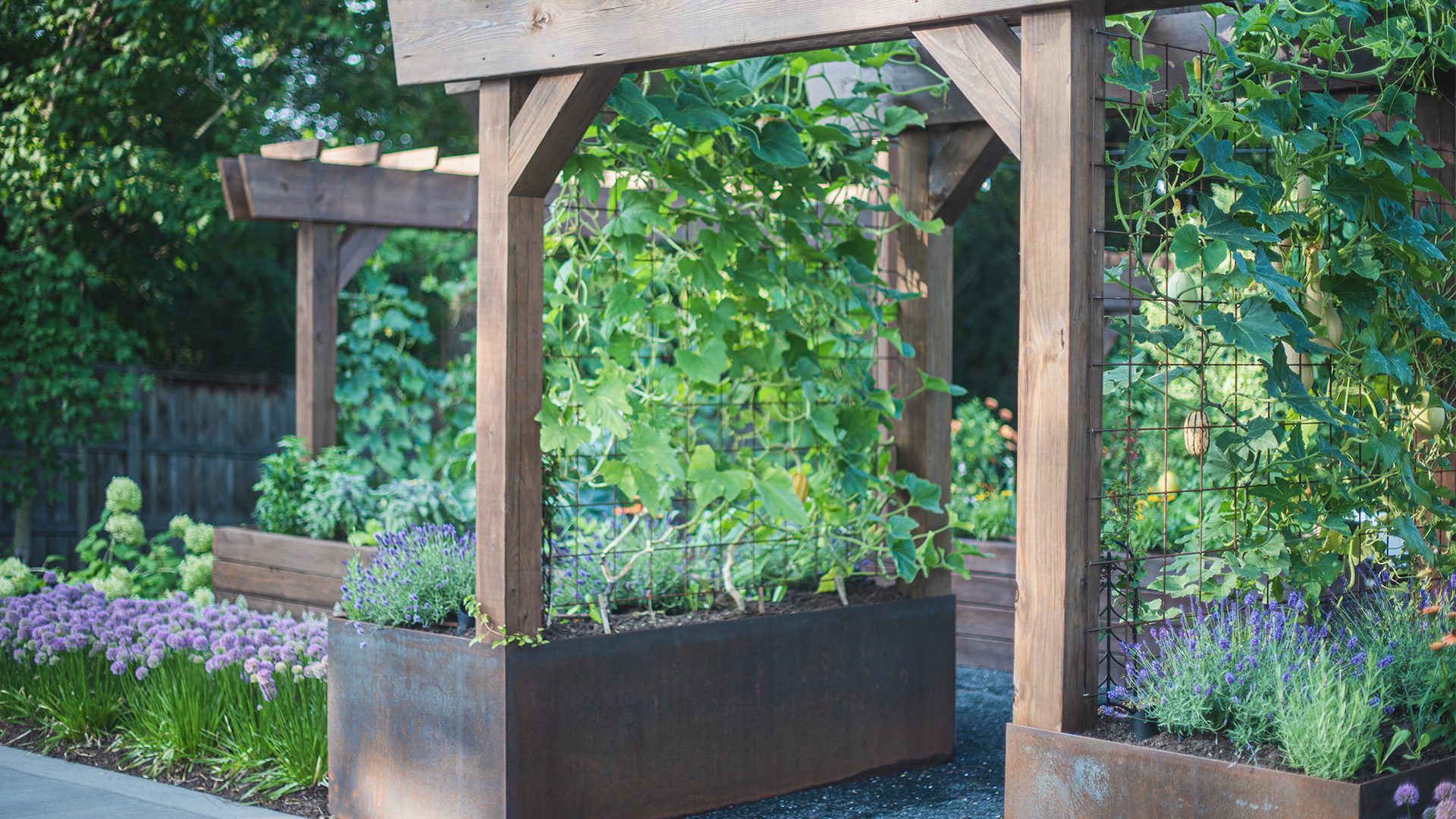
There’s rarely one perfect solution for keeping rabbits out of the garden. Instead, think in layers: elevated beds, strategic plant placement, companion planting and even alternative food sources like clover.
The goal isn’t to win a battle against nature. It’s to learn how to grow alongside it.
Plan Now for Next Season
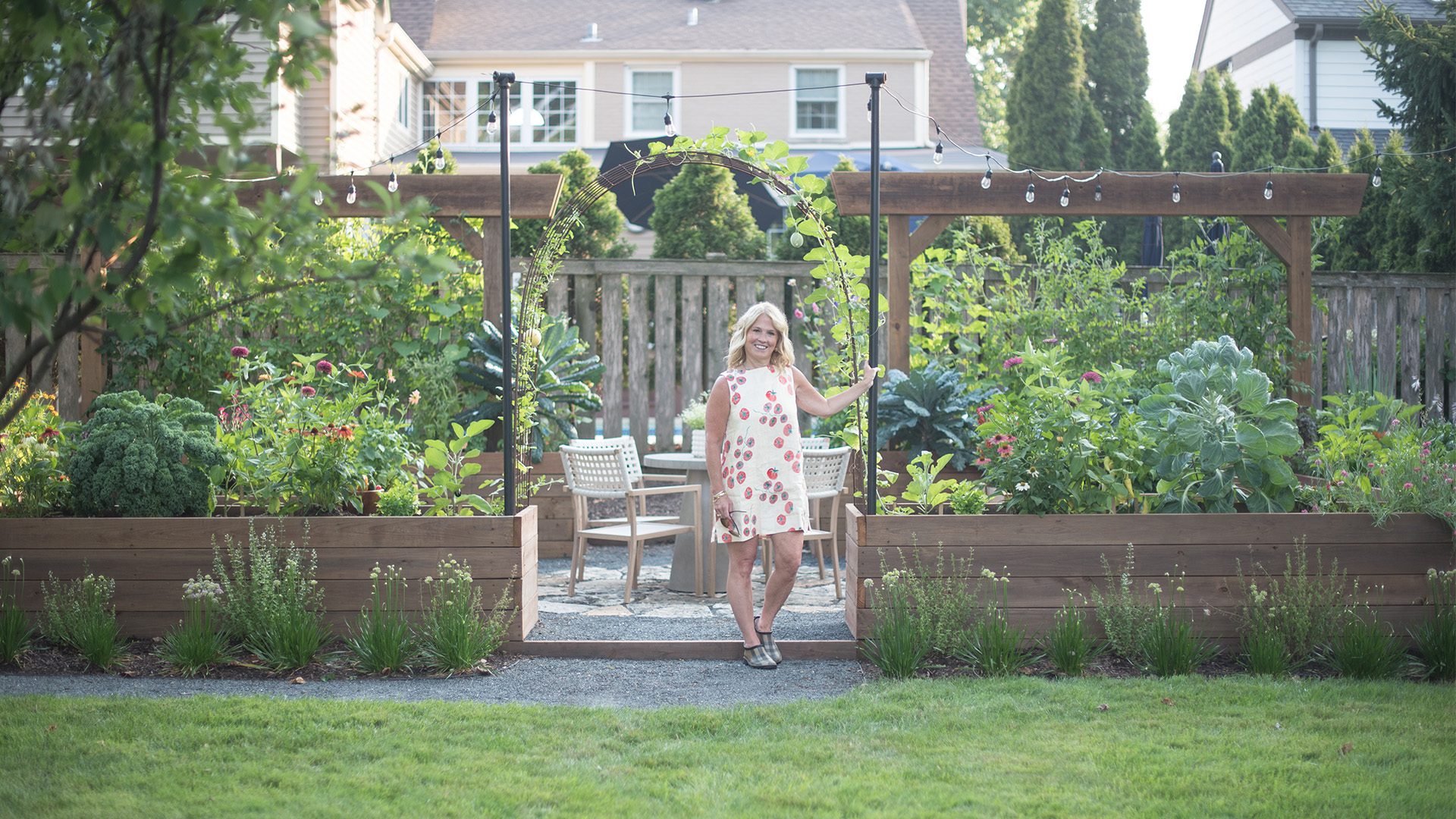
Fall is a wonderful time to start planning next year’s garden. Designing during the off season gives you time to thoughtfully consider everything from bed height and placement to pathways, trellises and outdoor living areas—so when spring arrives, you’re ready to grow.
Homegrown Gardens
Homegrown Gardens is a local turn-key garden business specializing in custom organic gardens and outdoor living spaces throughout Chicago’s western suburbs. Visit www.homegrowngardenschicago.com, subscribe to the YouTube channel @homegrowngardens to watch garden transformation videos, and follow @homegrowngardenschicago on Instagram for more garden tips!
Any content, resident submissions, guest columns, advertisements, and advertorials are not necessarily endorsed by or represent the views of Best Version Media LLC (BVM) or any municipality, homeowners associations, businesses, or organizations that this publication serves. BVM is not responsible for the reliability, suitability, or timeliness of any content submitted, inclusive of materials generated or composed through artificial intelligence (AI). All content submitted is done so at the sole discretion of the submitting party.