Large-format porcelain tile (LFPT) has rapidly evolved from a specialty product to a mainstream material for interiors and exteriors. The Tile Council of North America defines “large format” as any tile with an edge greater than 15 inches; true porcelain also meets an industry absorption standard of 0.5% or less. Since early Italian innovators introduced thin-gauge porcelain in the year 2000, manufacturers have pushed size, strength, and design – expanding possibilities well beyond traditional tile.
Today’s porcelain “slabs” average 60″ x 120″ size, allowing surfaces that read like natural stone without the weight or maintenance. LFPT is not a resin-based product like engineered quartz, which gives it two valuable benefits for our region: long-term UV stability for exterior use, and near-zero water absorption, so it withstands Wisconsin’s sunshine and freeze/thaw cycles without cracking.
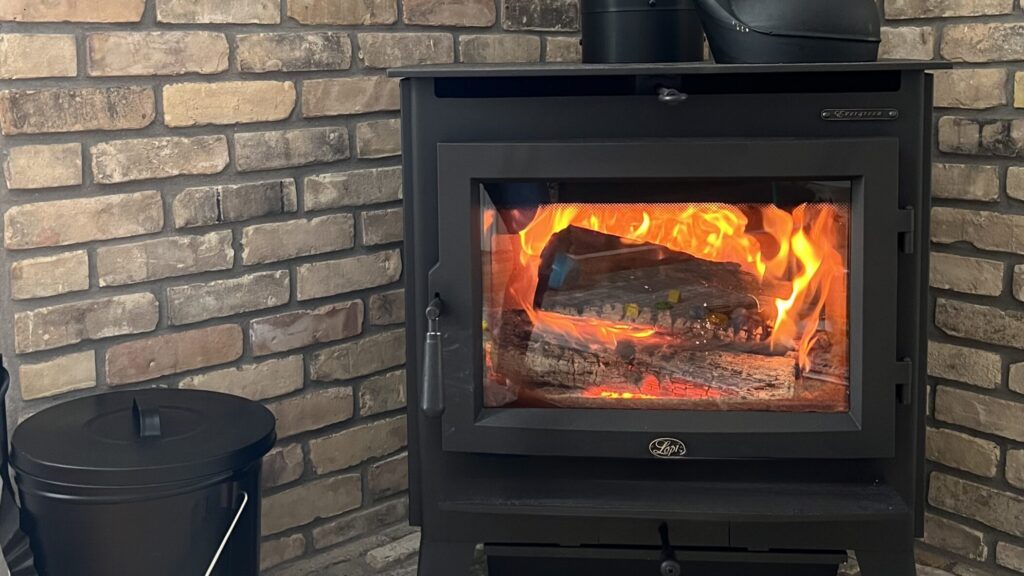
The material is produced thinly – commonly about 1.2 cm – making it ideal for wall cladding (like showers, and fireplaces), backsplash, and lightweight countertop applications when handled and detailed properly.
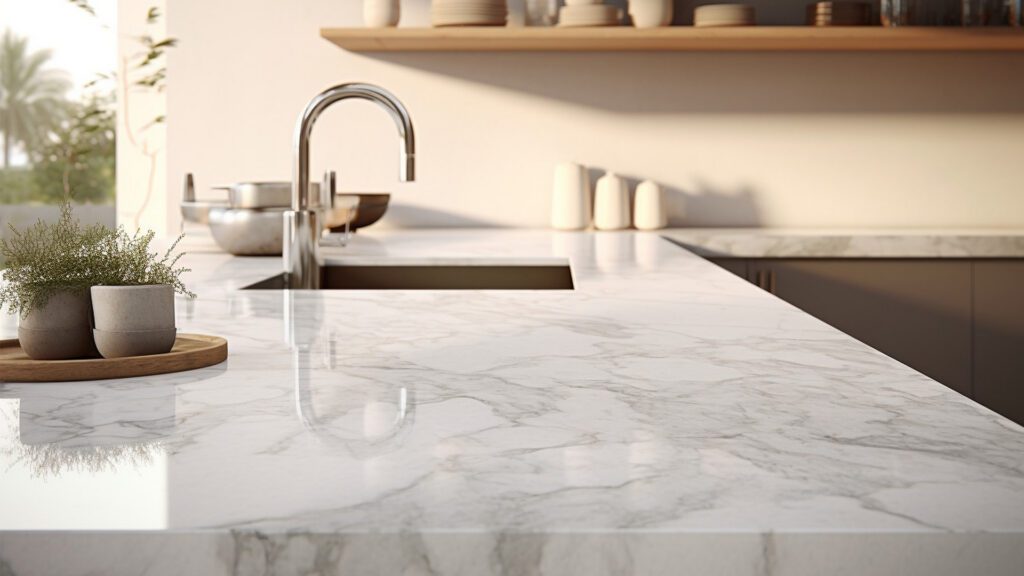
Photographic and digitally printed surfaces reproduce dramatic stone veining and textures, offering the look of marble and other natural materials at lower cost and with greater consistency. Matte/honed and textured finishes are durable and resist scratching; polished glosses can show wear more readily, so we generally recommend avoiding high-gloss surfaces for porcelain countertops.
Porcelain slabs also tolerate heat well, and when finished with a drop-miter edge, they can achieve the visual heft of a 3-to 4-inch slab while remaining thin and lightweight. Keep in mind, though, that LFPT behaves differently from stone: it’s harder than granite yet brittle in thin sections and requires careful support, precise cutting, and specialized tooling. Because of this, successful projects depend on collaboration among qualified fabricators, tile installers, and remodeling or home-building companies. Not every shop has the equipment or experience to cut, transport, and install large porcelain slabs safely.
If you’re considering LFPT, start by viewing full slabs and samples in person. Ask your fabricator about the brands they work with, edge profiles they can achieve, and experience with both interior and exterior installations. The right team will help you choose the best finish, edge detail, and installation method to preserve the material’s beauty and performance.
Large-format porcelain gives designers and homeowners a powerful, versatile option: the drama of natural stone, the durability of advanced ceramics, and practical performance for real-life homes.
For answers specific to your project and to see slabs in person, consult a trusted fabricator – the results are worth the attention to detail.
Any content, resident submissions, guest columns, advertisements, and advertorials are not necessarily endorsed by or represent the views of Best Version Media LLC (BVM) or any municipality, homeowners associations, businesses, or organizations that this publication serves. BVM is not responsible for the reliability, suitability, or timeliness of any content submitted, inclusive of materials generated or composed through artificial intelligence (AI). All content submitted is done so at the sole discretion of the submitting party.