Fall is the ideal time for Western Kentucky homeowners to inspect their home’s exterior and correct potential problems before winter weather arrives.
Our winters may not bring months of constant freezing temperatures, but they present a different challenge: repeated freeze-and-thaw cycles. Temperatures frequently fall below freezing overnight and then rise above freezing during the day. This constant fluctuation can be especially damaging to an exterior paint and coating system that has already begun to fail.
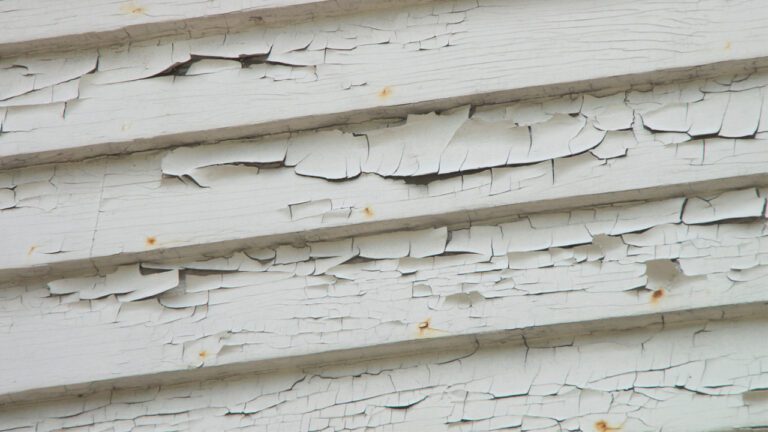
Exterior paint does much more than improve the appearance of your home. It serves as a protective barrier against moisture, sunlight, and changing temperatures. When paint begins peeling, cracking, bubbling, or separating from the surface, that barrier has been compromised.
Once moisture finds its way behind failing paint, it can soak into exposed wood, trim, siding, and other porous surfaces. When temperatures fall below freezing, that trapped moisture expands. As temperatures rise, it contracts again. Repeated cycles can cause paint to loosen further, cracks to widen, caulk joints to separate, and wood to deteriorate.
A small paint failure in the fall can become a much larger repair by spring.
What Homeowners Should Inspect
Before winter, walk around your home and carefully examine its exterior. Pay particular attention to areas that receive the most exposure to rain, snow, and direct sunlight.
Look for:
- Peeling, cracking, bubbling, or flaking paint
- Bare or exposed wood
- Cracked, shrinking, or missing caulk
- Soft, discolored, or rotting wood
- Gaps around windows and doors
- Open joints in fascia boards, soffits, and exterior trim
- Water stains or mildew
- Loose siding or trim
- Failed coatings near rooflines, gutters, and downspouts
Keep Leaves Off Horizontal Surfaces
Fallen leaves may appear harmless, but they can create serious moisture problems when allowed to collect on decks, porches, steps, window ledges, and other horizontal exterior surfaces.
Leaves absorb water and hold it against the surface underneath. Because they block sunlight and airflow, the area remains damp much longer than it normally would. Over time, this constant moisture exposure can soften paint, encourage mildew growth, and allow water to penetrate wood. Eventually, it can lead to peeling coatings and wood rot.
Wet leaves can be particularly damaging when they collect against siding, trim, porch columns, and the foundation of a home. As part of your fall maintenance, regularly remove leaves and other debris from horizontal surfaces, corners, gutters, and areas where moisture can become trapped.
Keeping these surfaces clean and allowing them to dry is one of the simplest and least expensive ways to protect your home’s exterior.
Paint Failure Is Often a Warning Sign
Peeling paint should not simply be covered with another coat. Paint failure is often a symptom of an underlying problem, such as moisture intrusion, inadequate surface preparation, deteriorated caulk, or damaged wood.
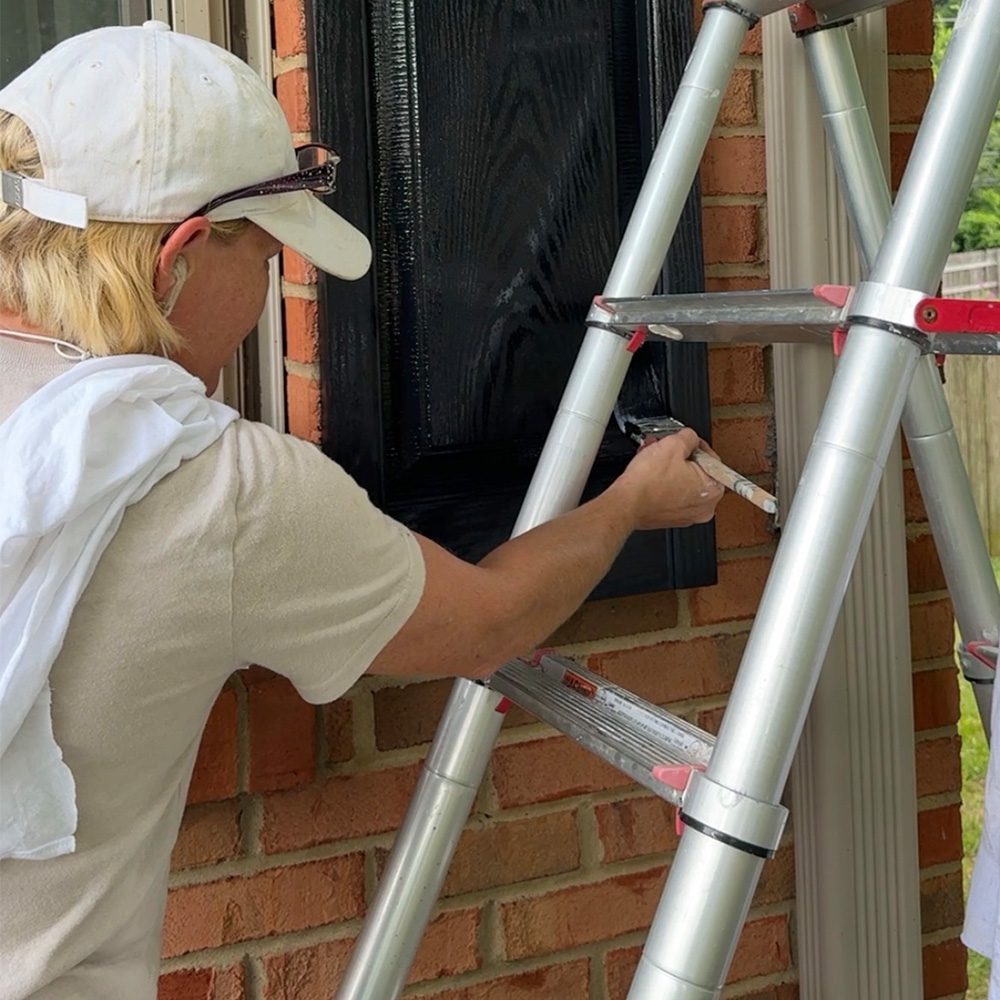
For a repair to last, the source of the problem must be identified and corrected. Loose coatings should be removed, damaged areas repaired, gaps properly sealed, exposed surfaces primed, and the correct exterior coating applied under suitable weather conditions.
Painting over a failing surface may temporarily improve its appearance, but it will not stop the underlying deterioration.
Prevention Is Less Expensive Than Repair
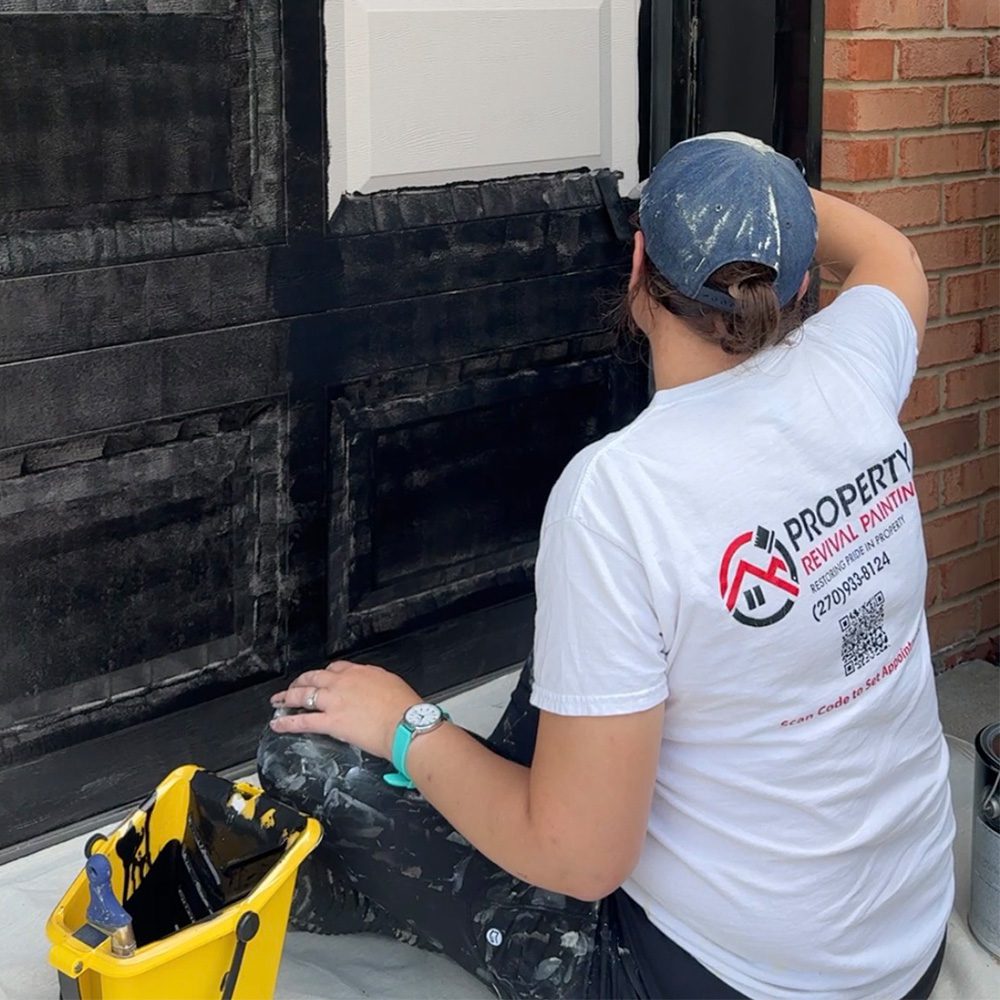
Exterior maintenance is easy to postpone because many problems begin as small cosmetic imperfections. However, moisture damage rarely corrects itself. Once water reaches unprotected wood or enters through an open joint, the cost of repairs can increase quickly.
Addressing a small section of peeling paint or failed caulk in the fall may prevent the need to replace boards, trim, or siding later. It may also help keep water from reaching insulation, drywall, and other parts of the home.
Your home’s exterior should be viewed as a complete protective system. Paint, primer, caulk, siding, trim, gutters, and flashing must work together to keep moisture out. When one part of that system fails, surrounding areas become more vulnerable.
Before Western Kentucky’s winter weather arrives, take time to inspect your home and address any areas of concern. If you are comfortable handling exterior maintenance yourself, fall is the time to take care of it. If you are not a do-it-yourselfer, call Property Revival Painting for a free exterior evaluation. We can inspect your home’s painted surfaces, identify vulnerable areas, and recommend the appropriate next steps before minor problems become expensive repairs.
A little preventive maintenance this fall can save you from a much larger repair next spring.
Any content, resident submissions, guest columns, advertisements, and advertorials are not necessarily endorsed by or represent the views of Best Version Media LLC (BVM) or any municipality, homeowners associations, businesses, or organizations that this publication serves. BVM is not responsible for the reliability, suitability, or timeliness of any content submitted, inclusive of materials generated or composed through artificial intelligence (AI). All content submitted is done so at the sole discretion of the submitting party.