As the leaves start to fall off the trees and winter slowly advances, several things come to mind: hot coca, Thanksgiving, Christmas, time spent with loved ones, etc. While your community pediatricians have similar thoughts, we also have an ominous thought: the onslaught of winter viral season. While we can’t prevent all viral illnesses, we thankfully can help mitigate the effects and spread of three of the worst viruses: Flu, COVID, and RSV.
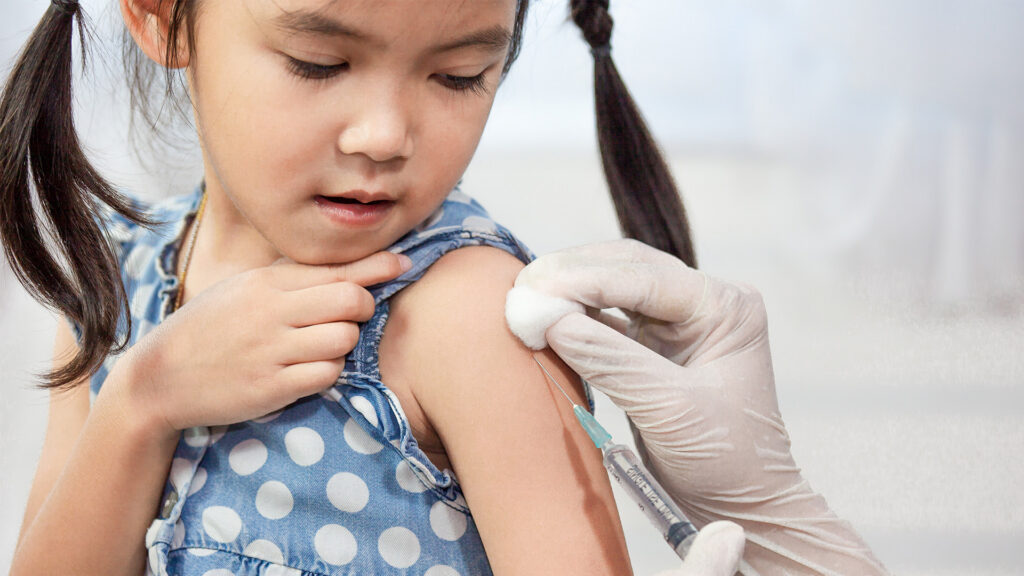
Of the three, Flu and COVID and their respective vaccines are the most recognizable. Each year these vaccines are updated for what strains are currently circulating, and then made available to the public. While it is still possible to catch Flu and COVID after receiving the vaccines (I myself can unfortunately attest to that), the main point people do not realize is that these vaccines reduce the risk of hospitalization. In other words, you may still feel ill if you catch one of these viruses, but you’ll statistically be less likely to have your symptoms progress to the point of needing support via hospitalization. Anecdotally, I can attest to this. My patients that had received Flu or COVID vaccines and caught either one after having the vaccine were much less sick.
With regard to the RSV vaccine, there are two main groups of people this vaccine is indicated for: the young and the old. For adults, the vaccine is currently recommended for those 75 years of age and older, or 50-74 years of age with risk factors. For children, the current indication is for infants 8 months or younger born during or entering their first RSV season. Past that, certain toddlers that are higher risk (i.e. respiratory issues) are recommended to receive the vaccine. Alternatively, expectant mothers can receive the RSV vaccine instead between 32 and 36 weeks gestation and that will protect the newborn infant.
So what is RSV? RSV stands for Respiratory Syncytial Virus and is the leading cause of Bronchiolitis in infants and toddlers. Bronchiolitis is a lung infection that causes swelling and copious mucus production. In infants this is a problem because they have smaller airways than older children and adults. Imagine trying to drink boba tea out of a regular straw vs. a larger boba tea specific straw and you can start to visualize the issue; the same amount of mucus and swelling affects an infant more than an adult. On top of that, infants primarily breathe through their noses which allows them to breathe and nurse at the same time (And no, adults and older kids can’t do this. Please don’t try to drink and breathe at the same time!). So on top of needing respiratory support at the hospital (deep suction, supplemental oxygen and airflow, etc), infants with RSV often need assistance with feeding and/or IV fluids.
The RSV vaccine was released for general use in infants in the fall of 2023. In that short time, studies now show an average 70-80% reduction in hospitalizations in infants who had received the RSV vaccine compared to those unvaccinated against RSV. So, not to sound cliche, but please talk to your doctor about the RSV, Flu, and COVID vaccines for your family this fall and winter.
Any content, resident submissions, guest columns, advertisements, and advertorials are not necessarily endorsed by or represent the views of Best Version Media LLC (BVM) or any municipality, homeowners associations, businesses, or organizations that this publication serves. BVM is not responsible for the reliability, suitability, or timeliness of any content submitted, inclusive of materials generated or composed through artificial intelligence (AI). All content submitted is done so at the sole discretion of the submitting party.