Once a property checks all the right boxes, the buyer arrives looking for something a listing can’t capture: Does this house feel like home?
That answer takes shape before they ever reach the front door.
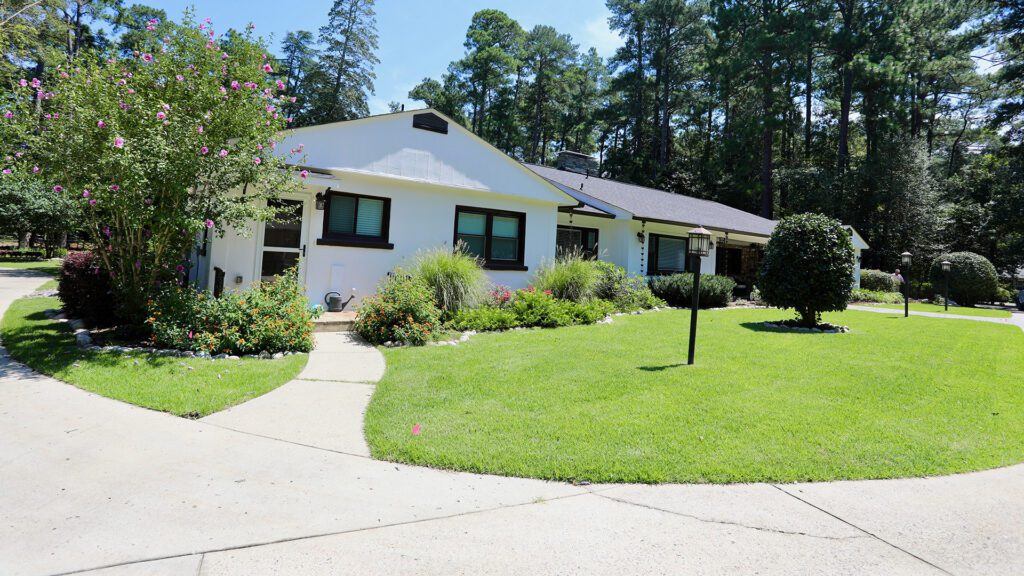
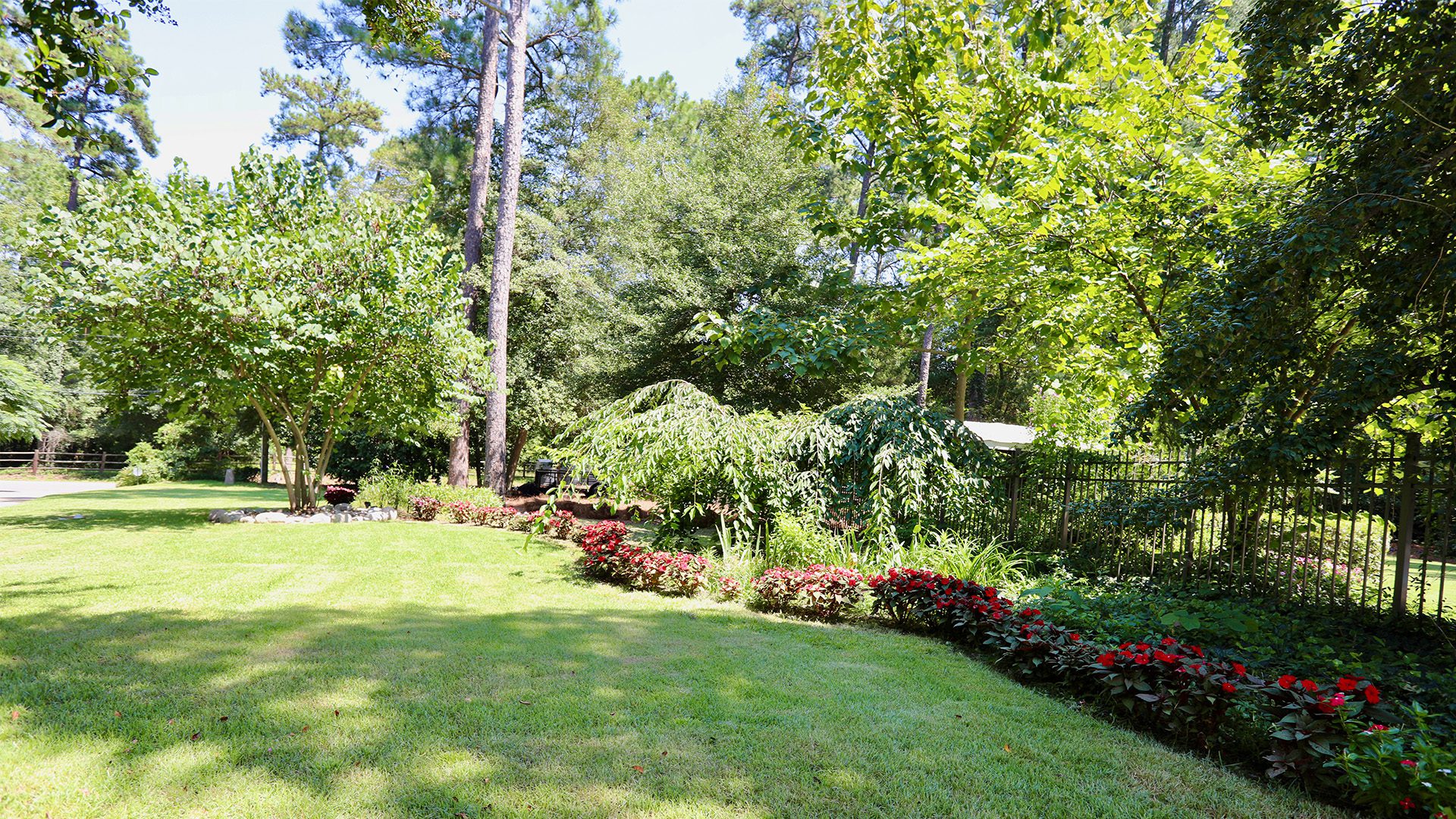
The landscape sets the stage for everything that follows. A healthy lawn, mature trees, well-placed plants, and a welcoming entrance create an immediate sense of care and permanence. Buyers may not consciously analyze these details, but together they shape how a property feels.
The Landscape Sets the Tone
People often underestimate the psychological impact of good design, particularly outdoors. Landscaping isn’t simply decoration; it’s a signal. A thoughtfully maintained property communicates order, care, and quality—three things buyers instinctively look for in a home.
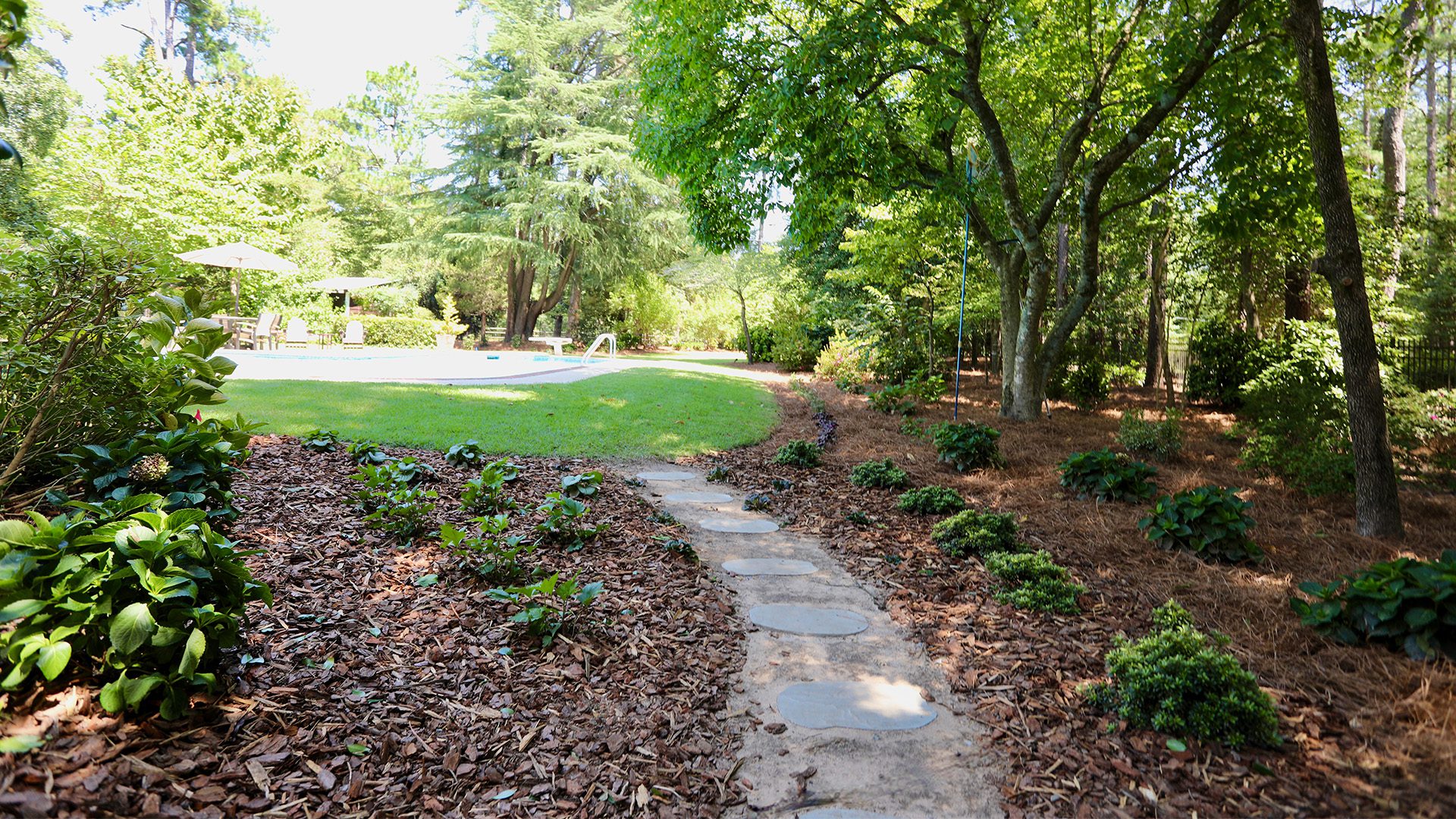
Good design also creates a transition from the street to the house. Trees frame views, plantings soften architecture, and walkways guide visitors toward the entrance. When these elements work together, buyers aren’t simply looking at plants. They’re experiencing the property as a whole.
In Pinehurst and throughout the Sandhills, that connection is especially important. Towering pines, mature hardwoods, established gardens, and outdoor living are part of our communities’ character. A successful landscape complements that setting.
Neglect Sends a Message, Too
Landscaping can communicate the wrong things just as quickly.
Overgrown shrubs covering windows, dead grass, weeds, declining plants, or poor drainage can raise questions extending beyond the yard. If the exterior looks neglected, buyers may wonder what else has been overlooked.
A buyer may not know what it costs to replace an overgrown shrub or repair a bare lawn. They simply see another project waiting for them. For sellers, the goal is to remove those distractions.
Fortunately, preparing a landscape for sale doesn’t necessarily require a complete renovation. Often, the best return comes from improving what’s already there.
Look at the property from the street. Can you clearly see the house and entrance? Are shrubs hiding windows or architectural features? Are there dead or badly overgrown plants? Do the beds have clean edges? Does the mulch or pine straw look fresh?
Think of it as staging the outside of your home.
Good Landscaping Is an Investment
Charlie Munger, Warren Buffett’s longtime business partner, famously emphasized the value he saw in landscaping:
“Lush landscaping, that’s what sells. You spend money on trees, and you get it back triple. Stinting on landscaping is building malpractice.”
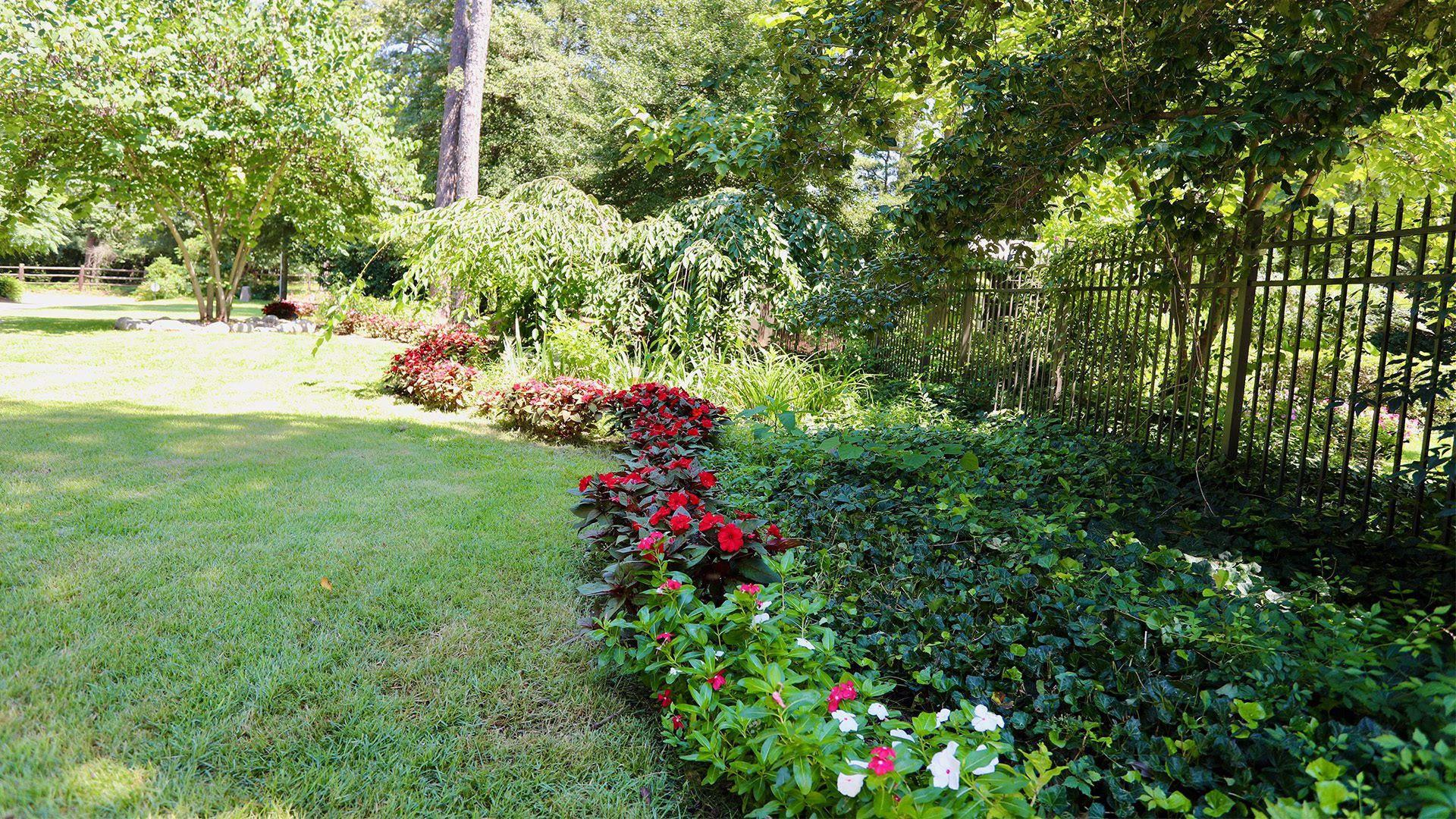
The idea is simple: landscaping shouldn’t automatically be viewed as an expense. When thoughtfully planned, it contributes to how desirable—and valuable—a property feels.
Mature trees are perhaps the best example. Their size, shade, and presence are the result of years of growth. Established landscapes give properties character and permanence that can’t be created overnight.
The key, however, is thoughtful landscaping—not simply more landscaping.
Let the House Be the Star
One of the most common problems I see is a landscape that has outgrown the home. Shrubs planted beneath windows grow above them. Small foundation plants become massive hedges. Trees planted too close to the house begin hiding architectural details.
Good landscape design should complement the architecture, not conceal it.
A landscape designer approaches a property much like an artist approaches a canvas, considering proportion, balance, color, texture, focal points, and how the eye moves through the space. Sometimes improving a landscape means adding plants. Other times, it means taking them away.
In the Sandhills, good design also means choosing plants suited to our sandy soils, summer heat, mature tree canopy, and varying levels of sun and shade. Plants in the right location look healthier and require less effort to maintain.
That matters to buyers. An elaborate garden may be beautiful, but if it looks like hours of work, it can become a liability rather than an asset.
Sell the Lifestyle
The front yard introduces the property, but the backyard helps sell the lifestyle.
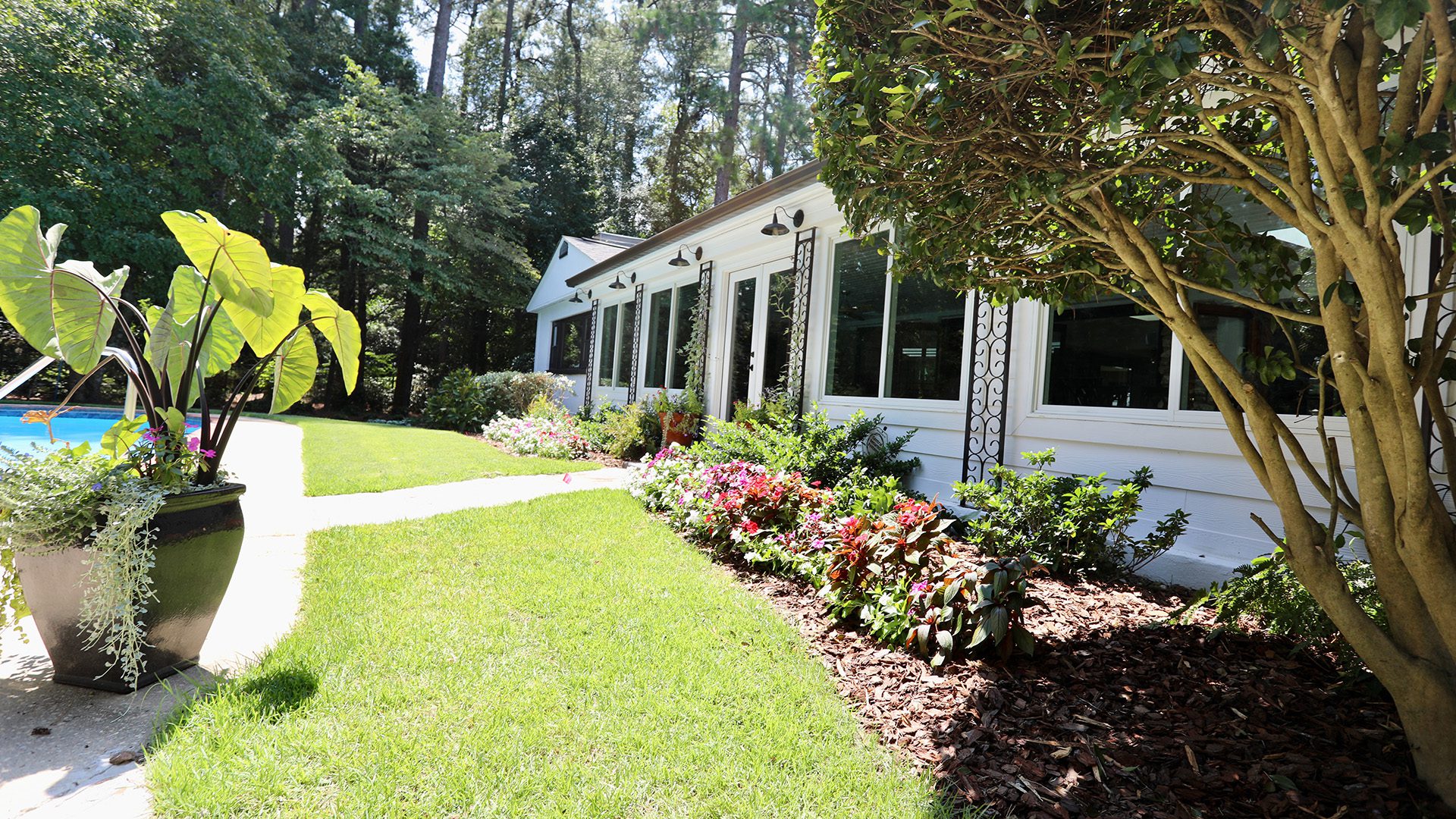
A shaded patio suggests summer dinners. A pathway invites someone into the garden. Privacy plantings create a retreat. A mature tree offers a place to spend an afternoon in the shade.
These spaces allow buyers to imagine what life could look like there—and ultimately, that’s what good landscaping does best.
Preparing a home for sale means showcasing both its interior and exterior. Clean the beds, prune what’s overgrown, address obvious problems, and make the entrance welcoming. Give the house room to breathe, the landscape a sense of purpose, and buyers an opportunity to picture themselves there.
Because by the time they reach the front door, they’re no longer just evaluating a property.
They’re deciding whether it feels like home.
Any content, resident submissions, guest columns, advertisements, and advertorials are not necessarily endorsed by or represent the views of Best Version Media LLC (BVM) or any municipality, homeowners associations, businesses, or organizations that this publication serves. BVM is not responsible for the reliability, suitability, or timeliness of any content submitted, inclusive of materials generated or composed through artificial intelligence (AI). All content submitted is done so at the sole discretion of the submitting party.