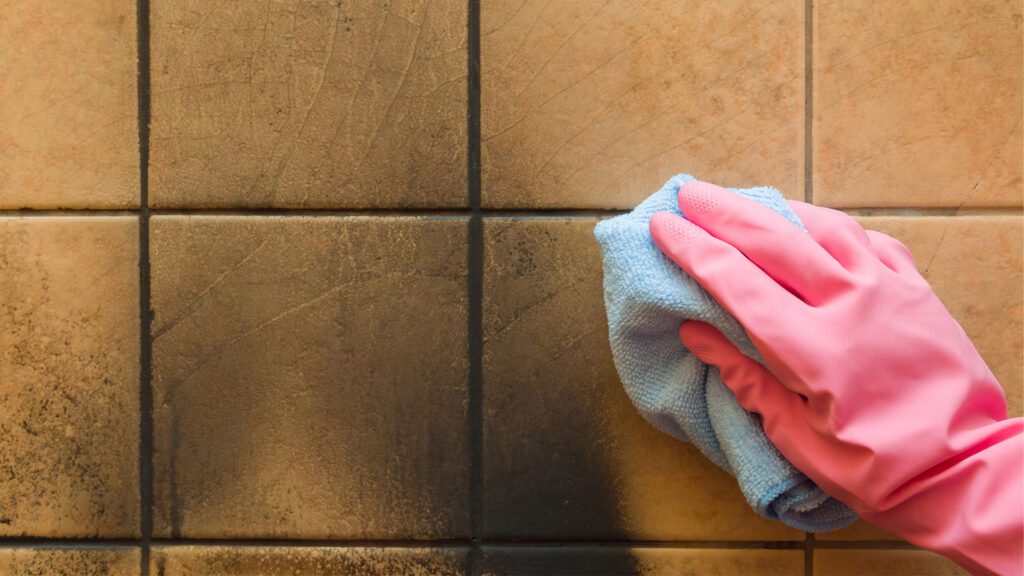
A house fire doesn’t stop causing damage once the flames are out. Smoke and soot continue working their way into walls, contents, and ductwork for days afterward, and the acidic residue they leave behind actively corrodes and stains everything it touches. At AllPro Restoration, we provide professional fire and soot damage restoration that addresses every phase of the loss, from the first emergency call through the final rebuild.
We have served Warren, Washington, Saratoga, and Albany County since 2004, and our IICRC-certified technicians have restored properties across the full range of fire and soot events—from a single scorched appliance to whole-house furnace puffbacks. As a local, family-owned company, we handle the entire claim ourselves: soot removal, odor elimination, water mitigation from firefighting efforts, and structural rebuild, with no outside subcontractors required.
Understanding Soot Damage: The Five Types
The materials that burned and how they burned determine how soot behaves and which cleaning method will work. AllPro identifies the soot type on every job before cleaning begins:
- Dry Smoke — Produced by fast, high-heat fires. Leaves a powdery residue that brushes away easily on the surface but penetrates deep into porous materials underneath.
- Wet Smoke — Produced by slow, low-heat fires involving plastics and rubber. Thick, sticky, and strong-smelling—the most difficult soot type to clean correctly.
- Protein Residue — Common after kitchen fires. Nearly invisible on surfaces but leaves an intense, rancid odor that coats every surface in the affected area.
- Fuel Oil / Puffback Soot — Produced by heating system malfunctions. Black, oily, and acidic—spreads through an entire structure via ductwork within seconds of a puffback event.
- Chemical Smoke — Involves synthetic materials or treated lumber. Produces hazardous residue that requires specialized handling and disposal.
Not sure what you’re dealing with? Our technicians identify the soot type on arrival and select the correct method before cleaning starts—the wrong method causes permanent staining.
Furnace Puffback: A Specialized Restoration Service
Furnace puffback is one of the most misunderstood fire-related events we encounter, and oil-heated homes throughout our region are especially susceptible. It happens when unburned oil or gas vapor builds up inside a furnace, boiler, or water heater and ignites suddenly, forcing soot-laden smoke back through the heating system.
In forced-air systems, soot travels through every duct and register within moments. In baseboard or radiator systems it concentrates near the furnace but still spreads on normal air movement. The soot itself is black, sticky, and highly acidic, settling on walls, ceilings, furniture, and clothing—damage that often looks manageable at first and proves far more extensive once fully assessed.
If you’ve experienced a puffback:
- Turn off the furnace and leave the area — do not attempt to clean the soot yourself.
- Call a licensed HVAC contractor — the heating system needs to be inspected and repaired before it is restarted.
- Notify your homeowner’s insurance carrier — puffback events are generally a covered claim.
- Call AllPro Restoration at 518-793-5311 — for professional puffback cleanup before soot has a chance to set into surfaces.
AllPro’s Complete Fire & Soot Damage Services
1. Emergency Response & Stabilization
AllPro dispatches around the clock. On arrival we assess structural safety and take whatever action is needed—board-up, tarping, or emergency power—to stop further damage before detailed work begins.
2. Soot & Smoke Residue Removal
Every surface is cleaned using the method matched to the soot type present. Dry soot requires dry-sponge treatment before any wet cleaning; wet and puffback soot require different chemical treatments entirely. Using the wrong method causes permanent damage, which is why correct identification matters.
3. HVAC Cleaning & Decontamination
Ductwork is inspected and either cleaned or sealed so that soot already inside the system can’t recirculate through the house during or after restoration—critical after any puffback event.
4. Odor Elimination & Deodorization
Smoke odor that has penetrated drywall, insulation, and framing requires more than surface cleaning. AllPro uses thermal fogging, hydroxyl generation, and ozone treatment as appropriate to neutralize odor at the source. We don’t consider a job finished until the smell is gone, not just masked.
5. Structural Restoration & Rebuild
Once surfaces are clean, odors are eliminated, and any firefighting water is dried to IICRC standards, AllPro rebuilds what was damaged—drywall, insulation, flooring, trim, and paint—back to pre-loss condition, with full documentation for your insurance file.
Why Speed Matters — The Hidden Damage Clock
Soot damage doesn’t stand still. The longer it sits, the more it costs to fix:
- Within Minutes — Soot deposits on every surface. Plastics discolor, metallic finishes tarnish, and the acidic residue begins etching glass and fixtures.
- Within Hours — Smoke odor penetrates drywall, insulation, and fabric. Walls begin yellowing, and soot etching on glass can become permanent.
- Within Days — Unextracted firefighting water starts supporting mold growth, and embedded odor becomes exponentially harder to remove.
- Within Weeks — What was restorable becomes unrestorable. Contents and structural materials that could have been cleaned now require full replacement.
Compliance, Certification, and Professional Standards
- An IICRC Certified Firm — certified in fire and smoke damage restoration, following the ANSI/IICRC S700 standard on every project
- Fully insured, all insurance carriers accepted — with complete documentation for adjusters, and furnace puffback damage is generally a covered claim
Contact us today at 518-793-5311 or through allproHELP.com.
Any content, resident submissions, guest columns, advertisements, and advertorials are not necessarily endorsed by or represent the views of Best Version Media LLC (BVM) or any municipality, homeowners associations, businesses, or organizations that this publication serves. BVM is not responsible for the reliability, suitability, or timeliness of any content submitted, inclusive of materials generated or composed through artificial intelligence (AI). All content submitted is done so at the sole discretion of the submitting party.