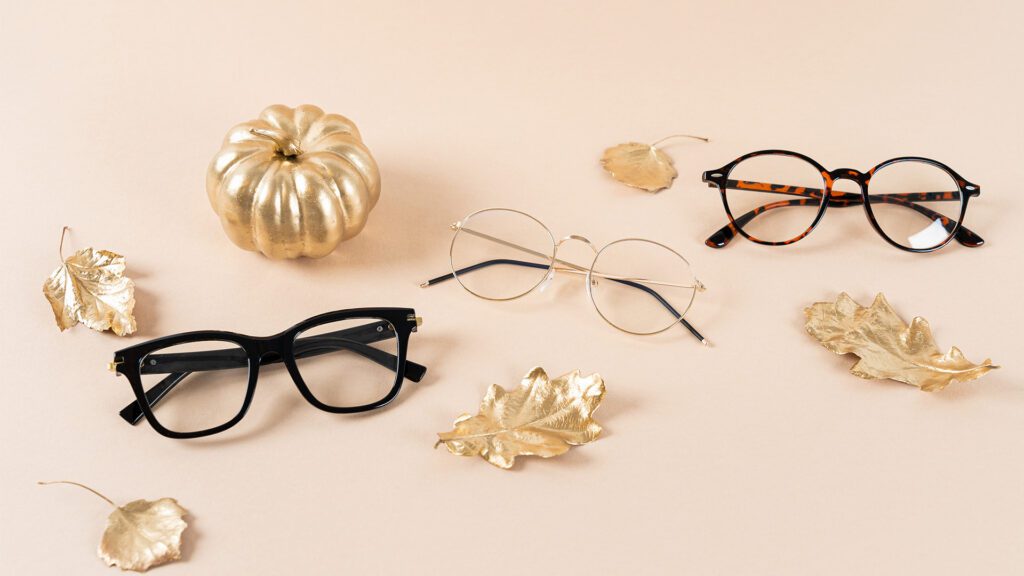

As we enter the final quarter of 2026, it means costumes for Halloween, shorter days, cold weather, snow, and family gatherings.
Night driving gets harder, fast. By late October, evening commutes shift to driving in the dark. If you’ve noticed that headlight glare bothers you, or road signs and pedestrians are harder to pick out at night, it could be a sign that your prescription needs updating. An outdated prescription can make low-light and night driving noticeably more difficult. If it’s been a year or more since your last exam, October is a good time to get ahead of the dark months rather than wait until you’re driving home from work in full darkness.
Heaters can irritate our eyes. Once indoor heating kicks in, the air dries out fast, and dry, irritated, gritty-feeling eyes are some of the first complaints we hear. A humidifier in the bedroom, a conscious effort to blink fully when you’re on screens, and preservative-free artificial tears can make a real difference. If your eyes are red, irritated, or just uncomfortable, we have a variety of other options to help you.
Halloween brings costumes. Decorative contact lenses have become very popular. If they are bought without a prescription or proper fitting, whether from costume shops or online, there is a real risk of infection, corneal scratches, and even vision loss. Any contact lens, cosmetic or corrective, should come from a licensed optometrist with a proper fitting.
Snow and ice cause glare. Fresh snow reflects a surprising amount of UV and glare, even on overcast days. Sunglasses or Transitions™ lenses, which go from light to dark as needed, aren’t just for summer. This winter, make sure you wear them when you drive and spend time outdoors.
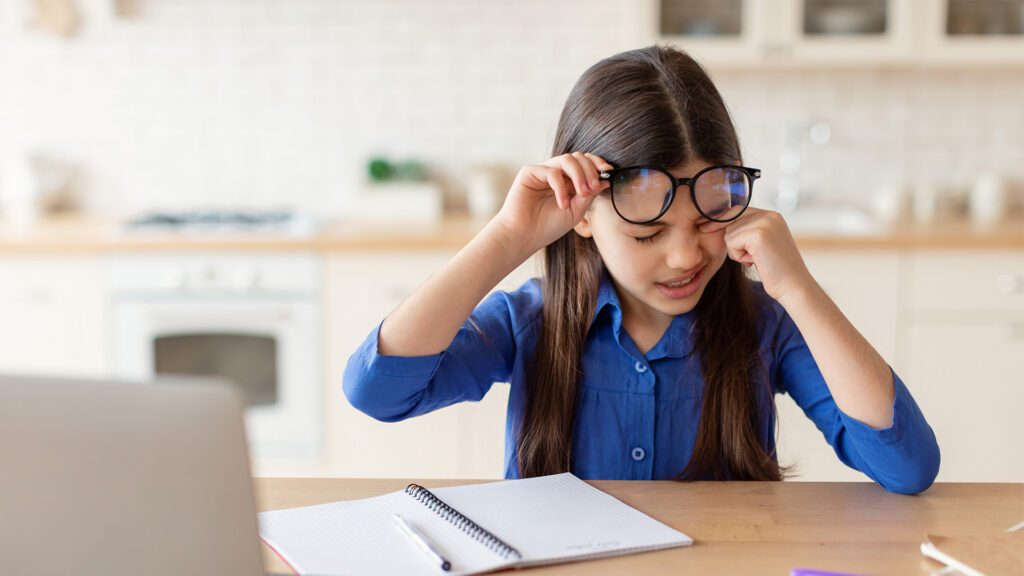
By October and November, children are well into the school year. If your child is struggling with reading, avoiding schoolwork, sitting too close to screens, or getting headaches after reading or at the end of the school day, vision may be contributing to the difficulty. Be sure to schedule an appointment with an optometrist and let your eye doctor know about your concerns.
Shorter days and more time indoors can mean more screen time. Extended screen use can contribute to tired, dry, or strained eyes, while spending more time on near work and less time outdoors may also be associated with the development and progression of myopia in children. The 20-20-20 rule can help: every 20 minutes, look at something 20 feet away for 20 seconds. However, this isn’t always enough. There are a wide variety of lenses designed specifically to make screen time easier on the eyes. If you or your child is experiencing ongoing symptoms, be sure to mention them at your next eye exam.
Don’t forget holiday parties and dinners. We often see a holiday rush for contacts and designer frames. Get ready for the holidays early and avoid the last-minute rush.
At Anderson Family Vision Care, we focus on how you use your vision throughout your daily life while also working to help preserve your precious gift of sight. We welcome the opportunity to see how we can help you and your family.
Dr. Matthew Anderson, Developmental Optometrist, provides vision care for the entire family and specialized services in the diagnosis and treatment of vision problems that interfere with reading and learning. Dr. Anderson is a popular speaker with parents and professional groups and may be reached at (204) 633-7482. For more information, visit www.andersonvisioncare.ca.
Any content, resident submissions, guest columns, advertisements, and advertorials are not necessarily endorsed by or represent the views of Best Version Media LLC (BVM) or any municipality, homeowners associations, businesses, or organizations that this publication serves. BVM is not responsible for the reliability, suitability, or timeliness of any content submitted, inclusive of materials generated or composed through artificial intelligence (AI). All content submitted is done so at the sole discretion of the submitting party.