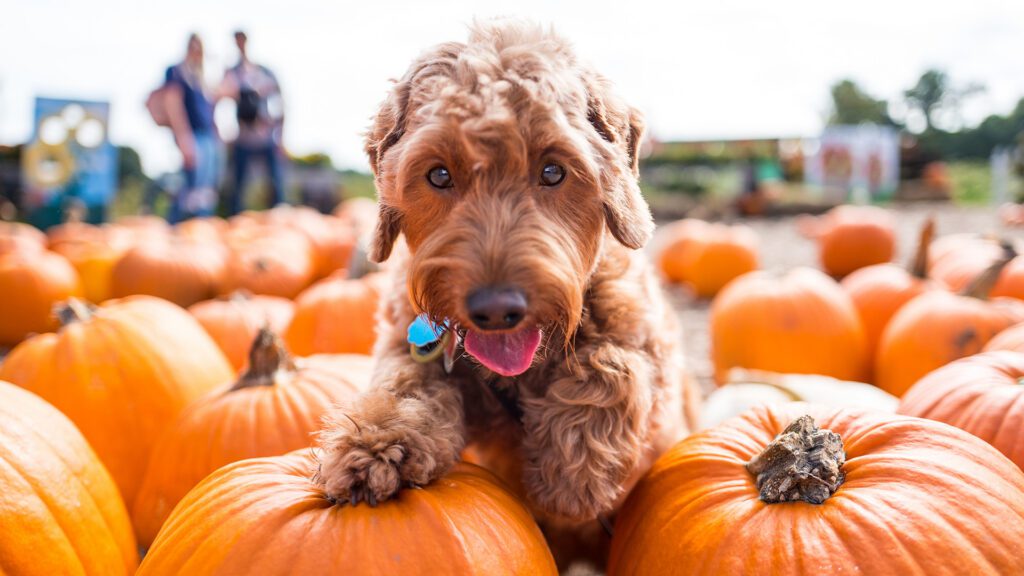

The fall season is upon us and with it comes the age-old question: Is it safe to feed pumpkin to your pet? As pet owners in Abbotsford and Mission, we’re no strangers to the widespread practice of incorporating pumpkin into our pets’ diets during this time of year. But amidst the conflicting information and varying opinions, it’s essential to separate fact from fiction and get to the bottom of the “Great Pumpkin Debate”.
At Paw’ty Waggin, we’re committed to providing you with evidence-based information and responsible feeding guidelines to ensure your furry friend stays happy and healthy. In this article, we delve into the nutritional benefits and potential risks of feeding pumpkin to your pet, as well as offer species-specific considerations and safe preparation methods.
Nutritional Value of Pumpkins
Pumpkins are a nutrient-rich food, boasting an impressive array of vitamins, minerals and fiber. They’re an excellent source of:
- Dietary fibre, which can help support healthy digestion and promote regular bowel movements
- Vitamins A, C and E, which are essential for immune function, skin health and eye health
- Minerals like potassium, magnesium and iron, which support heart health, muscle function and red blood cell production
The fibre content in pumpkins can also aid in weight management, helping to keep your pet feeling full and satisfied between meals. However, it’s crucial to remember that pumpkin should be treated as a supplement, not a replacement for a balanced diet.
Risks to Consider
While pumpkins can be a nutritious addition to your pet’s diet, there are potential risks to consider:
- Digestive upset: Pumpkin can cause stomach upset, diarrhoea or constipation in some pets, particularly if introduced too quickly or in excessive amounts.
- Choking hazards: Pumpkin seeds can be a choking hazard, especially for small pets. Be sure to remove them before serving.
- Medication interactions: Pumpkin can interact with certain medications, such as diabetic medications and affect blood sugar levels.
Species-Specific Considerations
While pumpkin can be a healthy addition to both canine and feline diets, there are species-specific considerations to keep in mind:
- Dogs: Pumpkin can be a helpful tool in supporting digestion and managing symptoms of gastrointestinal issues like inflammatory bowel disease. However, dogs with sensitive stomachs or allergies may require a more gradual introduction.
- Cats: Cats require a more precise balance of nutrients and pumpkin should be used in moderation to avoid disrupting this balance. Monitor your cat’s digestive health closely when introducing pumpkin.
In Moderation
It’s essential to remember that pumpkins should be fed in moderation, as part of a balanced diet. Overfeeding can lead to digestive issues, gastrointestinal upset and potentially even pancreatitis.
Paw’ty Waggin Pet Taxi & Check-In Services
(778) 808-9241
Any content, resident submissions, guest columns, advertisements, and advertorials are not necessarily endorsed by or represent the views of Best Version Media LLC (BVM) or any municipality, homeowners associations, businesses, or organizations that this publication serves. BVM is not responsible for the reliability, suitability, or timeliness of any content submitted, inclusive of materials generated or composed through artificial intelligence (AI). All content submitted is done so at the sole discretion of the submitting party.