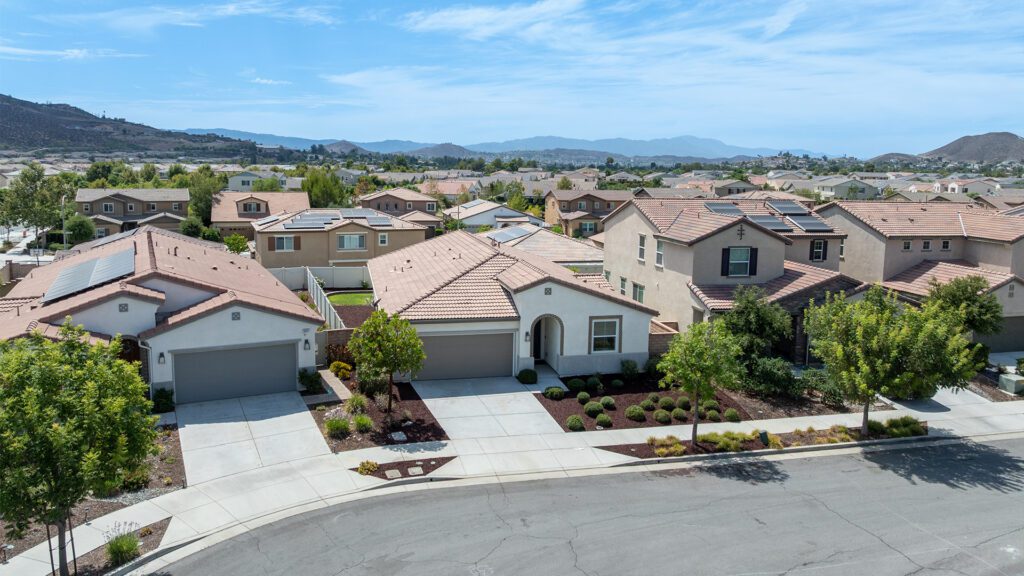
Most homes in Rossmoor were built before 1978, which means most rentals in the neighborhood carry a federal lead paint disclosure requirement. The disclosure, the EPA pamphlet, and a signed acknowledgment all have to be in the resident’s hands before the lease is signed. The consequences for missing it are federal rather than local, and they’re severe: civil penalties assessed per violation, plus the possibility of triple damages if a resident brings a claim.
That requirement catches most owners by surprise, and it’s usually the first of several.
The reasoning I hear from owners renting out a home they lived in is almost always the same. The house worked. The family was comfortable in it, nothing was falling apart, and the assumption is that it’s ready to go as is. That reasoning is understandable and it’s also incomplete, because California applies a different set of requirements to a home someone rents than to a home someone owns and occupies.
A few of the ones that come up most often:
Smoke alarms in a rental have to be in every bedroom, in the hallway outside the sleeping areas, and on each level of the home. Most owner-occupied houses have one or two in the hallway and nothing in the bedrooms. Carbon monoxide alarms are required wherever there’s a gas appliance, a fireplace, or an attached garage.
Entry doors need working deadbolts, and windows that open need functioning locking devices. Water heaters need to be properly strapped.
The one that creates the most trouble is unpermitted space. Converted garages, enclosed patios, and added rooms are common in this neighborhood, and they were often built to be lived in rather than to be documented. A room without proper egress can’t be advertised as a bedroom, which changes what the property rents for. It also creates exposure if a resident is injured there.
There’s also a documentation requirement that took effect in 2025. Owners now have to photograph the unit’s condition before a new resident moves in, again after move-out and before any repairs are made, and a third time once those repairs are complete. Without all three sets, deposit deductions are much harder to defend.
None of this is a reflection on how well someone maintained their home. The standard simply changes when the person living there is renting rather than owning, and many of these requirements aren’t widely known among owners.
The practical step is to measure the property against these requirements before the listing goes up rather than after a resident is in place. Correcting something on that list in an empty house might take an afternoon. Working through a compliance punch list around a resident’s schedule and belongings is a different project entirely.
Which is the case for having someone in your corner who handles this regularly. Not because the requirements are impossible to learn, but because the cost of finding out about one late is almost always higher than the cost of getting it right up front.
Any content, resident submissions, guest columns, advertisements, and advertorials are not necessarily endorsed by or represent the views of Best Version Media LLC (BVM) or any municipality, homeowners associations, businesses, or organizations that this publication serves. BVM is not responsible for the reliability, suitability, or timeliness of any content submitted, inclusive of materials generated or composed through artificial intelligence (AI). All content submitted is done so at the sole discretion of the submitting party.