When your homeowner’s insurance policy comes up for renewal, do you simply pay the premium and move on? If so, you may want to continue reading this.
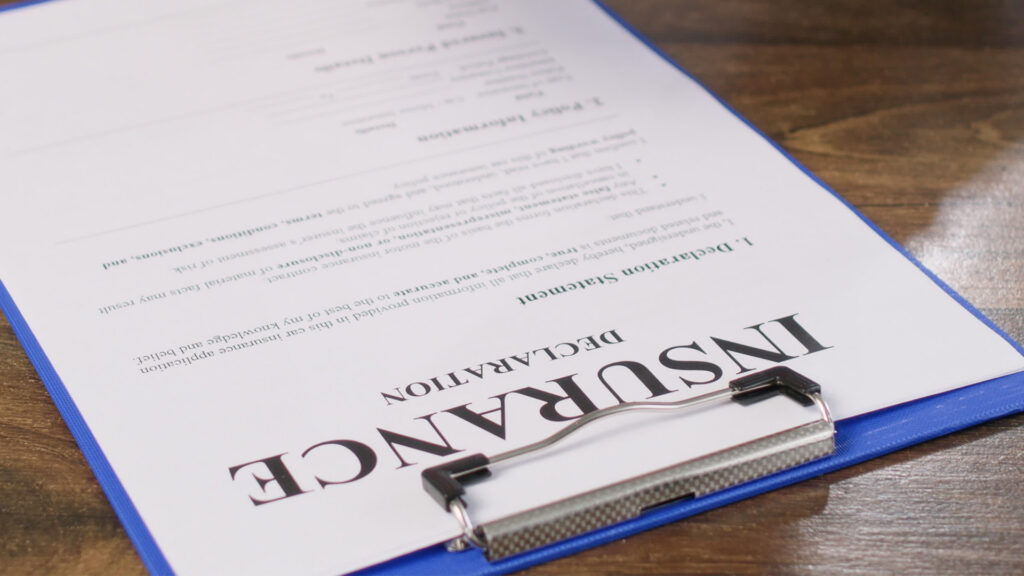
Your annual renewal is an important opportunity to review your insurance coverage and make sure your policy still reflects your home, your belongings, and your current needs. One of the most important documents to review is your insurance declarations page.
The declarations page provides a summary of your policy, including your coverage limits, deductible, property address, policy period, and other important details. Taking a few minutes to review this document each year can help you identify potential gaps or changes before you need to file a claim.
Why Review Your Declarations Page?
Life changes, and your insurance coverage should keep up with those changes. Home improvements, renovations, additions, new valuables, or changes in the cost of rebuilding your home may affect how much coverage you need.
Pay particular attention to your dwelling coverage limit. Construction costs can change significantly over time, and the amount it would cost to rebuild your home today may be considerably different from when your policy was originally written.
You should also review your deductible. A higher deductible may lower your premium, but it also means you will have more out-of-pocket expenses if you experience a covered loss.
Most importantly, don’t assume that everything is covered simply because you have homeowners’ insurance. Policies contain exclusions, limitations, conditions, and endorsements that can affect whether and how a claim is paid. If you are unsure about any part of your declarations page or policy, talk with your insurance professional … we are here to help.
Your Roof Is One of Your Home’s First Lines of Defense
Your roof protects your home from rain, snow, wind, ice, and other elements. Because it is constantly exposed to the weather, regular maintenance and timely replacement are essential.
An aging or deteriorating roof can become more vulnerable to leaks and weather-related damage. Missing or damaged shingles, deteriorated flashing, clogged gutters, inadequate ventilation, and other maintenance issues can allow water to enter your home and cause damage to the roof deck, attic, insulation, ceilings, walls, and personal property.
Replacing an ageing roof before a major problem occurs can be an important part of protecting your home. A new, properly installed roof can reduce the likelihood of leaks and help your home better withstand normal weather exposure.
However, homeowners should remember that roof replacement does not guarantee that future insurance claims will be covered. Insurance policies vary, and coverage can depend on the cause of loss, the condition and age of the roof, policy language, deductibles, exclusions, and other factors. Regular maintenance is also generally the homeowner’s responsibility.
Prevention Can Be Less Expensive Than Recovery
Waiting until a roof fails can result in much more than the cost of replacing shingles. Water intrusion can lead to expensive secondary damage and significant disruption to your household.
A proactive approach is often the best approach: inspect your roof regularly, address minor problems promptly, keep gutters and drainage systems clear, and consider replacing your roof when it reaches the end of its useful life. If you do replace your roof, be sure to let your agent know as it can result in savings on your policy.
At each insurance renewal, take the time to review your declarations page and ask questions about your coverage. At the same time, look at the condition of your roof and other major components of your home.
Insurance is there to help protect you when unexpected events happen—but prevention and maintenance are still your best defenses. Reviewing your policy annually and keeping your roof in good condition can help you protect your home, avoid preventable damage, and be better prepared when the unexpected occurs.
Any content, resident submissions, guest columns, advertisements, and advertorials are not necessarily endorsed by or represent the views of Best Version Media LLC (BVM) or any municipality, homeowners associations, businesses, or organizations that this publication serves. BVM is not responsible for the reliability, suitability, or timeliness of any content submitted, inclusive of materials generated or composed through artificial intelligence (AI). All content submitted is done so at the sole discretion of the submitting party.