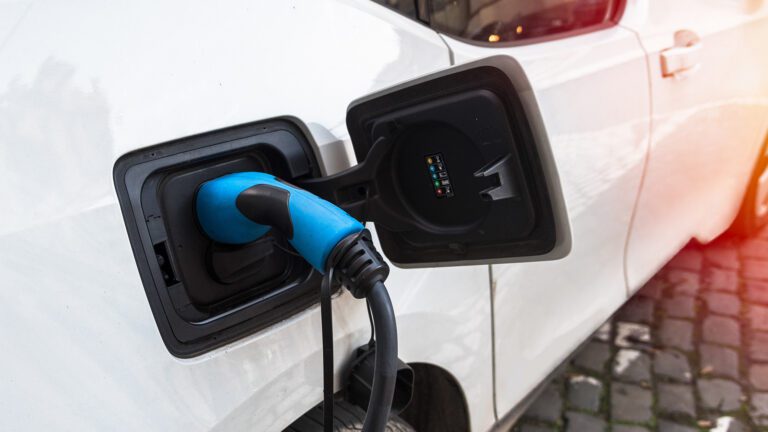
As electric vehicles become more common, having a charger at home can make daily driving more convenient. But before purchasing a charging unit, homeowners should take a closer look at their electrical system, installation options, safety requirements, and budget. A little planning can help prevent unexpected costs and ensure the charger is installed properly.
Start With an Electrical Assessment
Before buying a charger, find out whether your home can support one. A licensed electrician should evaluate:
- Panel capacity. A Level 2 charger is a continuous load, often 40 to 60 amps. Older or smaller panels (100 amps or less) may be near their limit.
- Distance from panel to charger. Longer runs mean more wire, higher cost, and sometimes a larger conductor to limit voltage drop.
- Charger Location. The degree of difficulty routing the wire into the garage or exterior can affect the overall cost. Having the option to charge the EV outside is also recommended, due to problems occurring with the car battery.
If your panel is maxed out, a service upgrade may be needed. Some homes can avoid one with a load management device, which adjusts charging when other large appliances are running.
Pick a Charger and a Location
Chargers come as plug-in units (connecting to an outlet) or hardwired units (wired directly to the circuit). Hardwired installations are generally preferred for outdoor or permanent setups, and they often support higher power. Standard 14-50 outlets have been known to be problematic as well.
Features worth considering include:
- Wi-Fi or app control for scheduling charging during off-peak electricity hours
- Cable length that reaches your car’s charge port from where you park
- Compatibility with your vehicle’s connector type, or an adapter if needed
Understand Permits and Codes
All jurisdictions, including Canton Township, require an electrical permit for EV wiring. It is highly recommended to use an electrician/ contractor who is licensed and insured. Skipping permits can create problems with insurance claims and when you sell the home.
Budget Realistically
Total cost varies widely with your home’s setup. The main factors are:
- The charger itself
- Labor and materials
- Any panel or service upgrade
- Permit and inspection fees
Get at least two written quotes from licensed electricians, ideally ones with EV charger experience. Many utilities and governments offer rebates, incentives, or special time-of-use electricity rates for EV owners.
Prioritize Safety
Charging an EV draws high current for hours at a time, so installation quality matters. Look for chargers certified by a recognized safety testing laboratory, such as UL. Avoid DIY installation unless you are a qualified electrician: undersizing or the wrong type of wire is a fire risk under sustained load.
Plan for the Future
If you’re likely to add a second EV or sell the home to an EV-minded buyer, we recommend installing a small, secondary panel in the garage. If done right, it will have the capacity to run the initial charger and enough power for a second EV in the future.
The Bottom Line
A good home charger installation comes down to four steps: assess your electrical capacity, choose a certified charger that fits your driving habits, use a licensed electrician who pulls the proper permits, and look into incentives before you buy. Done right, you’ll wake up to a full battery every morning.
Any content, resident submissions, guest columns, advertisements, and advertorials are not necessarily endorsed by or represent the views of Best Version Media LLC (BVM) or any municipality, homeowners associations, businesses, or organizations that this publication serves. BVM is not responsible for the reliability, suitability, or timeliness of any content submitted, inclusive of materials generated or composed through artificial intelligence (AI). All content submitted is done so at the sole discretion of the submitting party.