On the first day of kindergarten, the classroom can look amazingly harmonious and participatory. Dozens of five-year-olds proudly sporting a backpack, lunchbox, and a mixture of excitement and uncertainty. It can appear that everyone is beginning at the same starting line.
Or are they?
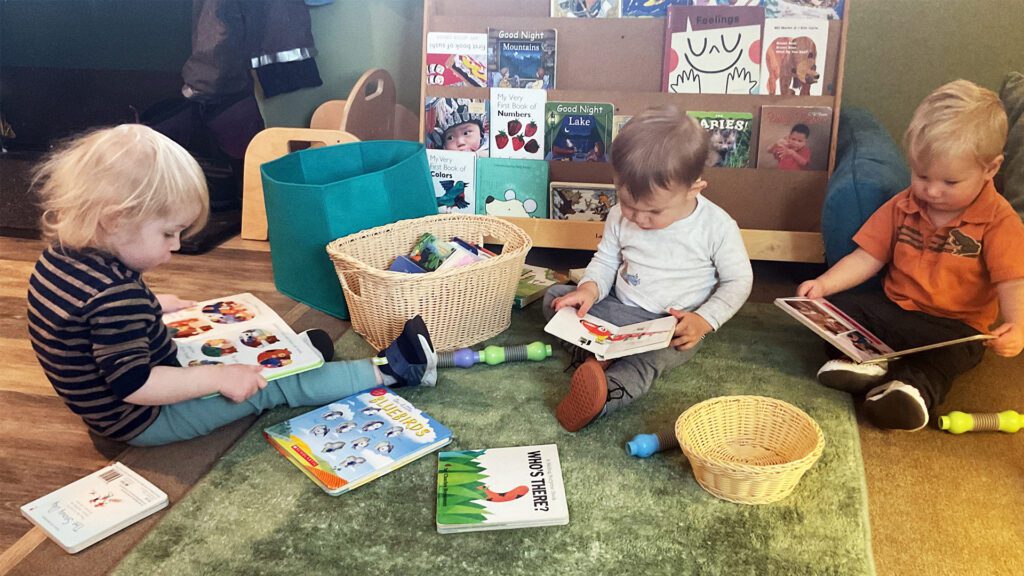
Some children arrive having spent years being read to, having conversations with adults, playing cooperatively with other children, exploring the natural world, and learning how to manage frustration and solve problems. Others may have had very different experiences.
The differences may not be immediately obvious. But over time, they can become increasingly important.
Parents and educators often ask whether a child is “ready for kindergarten.” But there’s a larger question: What can we do as a community to ensure every child has the experiences that prepare them for kindergarten and their life ahead?
Decades of research from economics, neuroscience, and education all arrive at the same answer: High-quality early childhood education. The science of early childhood development gives us a compelling finding: a great deal of learning happens long before a child enters the kindergarten classroom.
The Center on the Developing Child at Harvard University describes the brain as being built “from the bottom up.” Early experiences and relationships help establish the foundation upon which later learning, behavior, and health depend. Responsive interactions between young children and caring adults are particularly important.
Young children need opportunities to play, explore, talk, move, imagine, experiment, and interact with peers. Having these experiences in the natural world offers additional benefits for understanding and integrating skills, especially when taking advantage of North Routt’s natural beauty. These experiences develop capabilities essential to academic learning but are sometimes overlooked when we focus too narrowly on teaching letters and numbers.
Consider what happens when a four-year-old plays a simple game with another child. The child must listen, remember the rules, wait for a turn, control impulses, adapt when the game changes, and communicate with others. Those are not merely social niceties. They are developing executive-function and self-regulation skills: skills that matter for school.
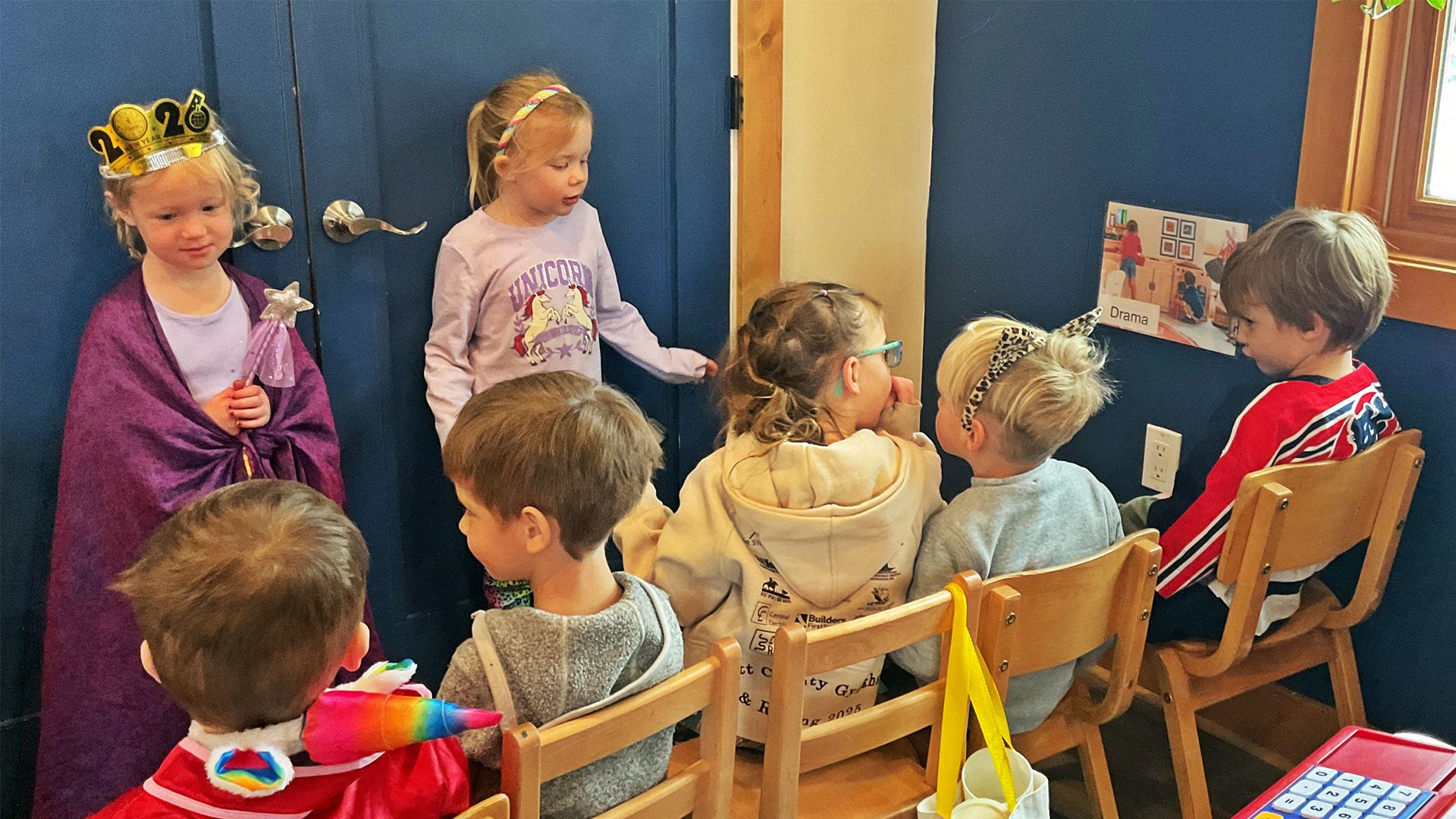
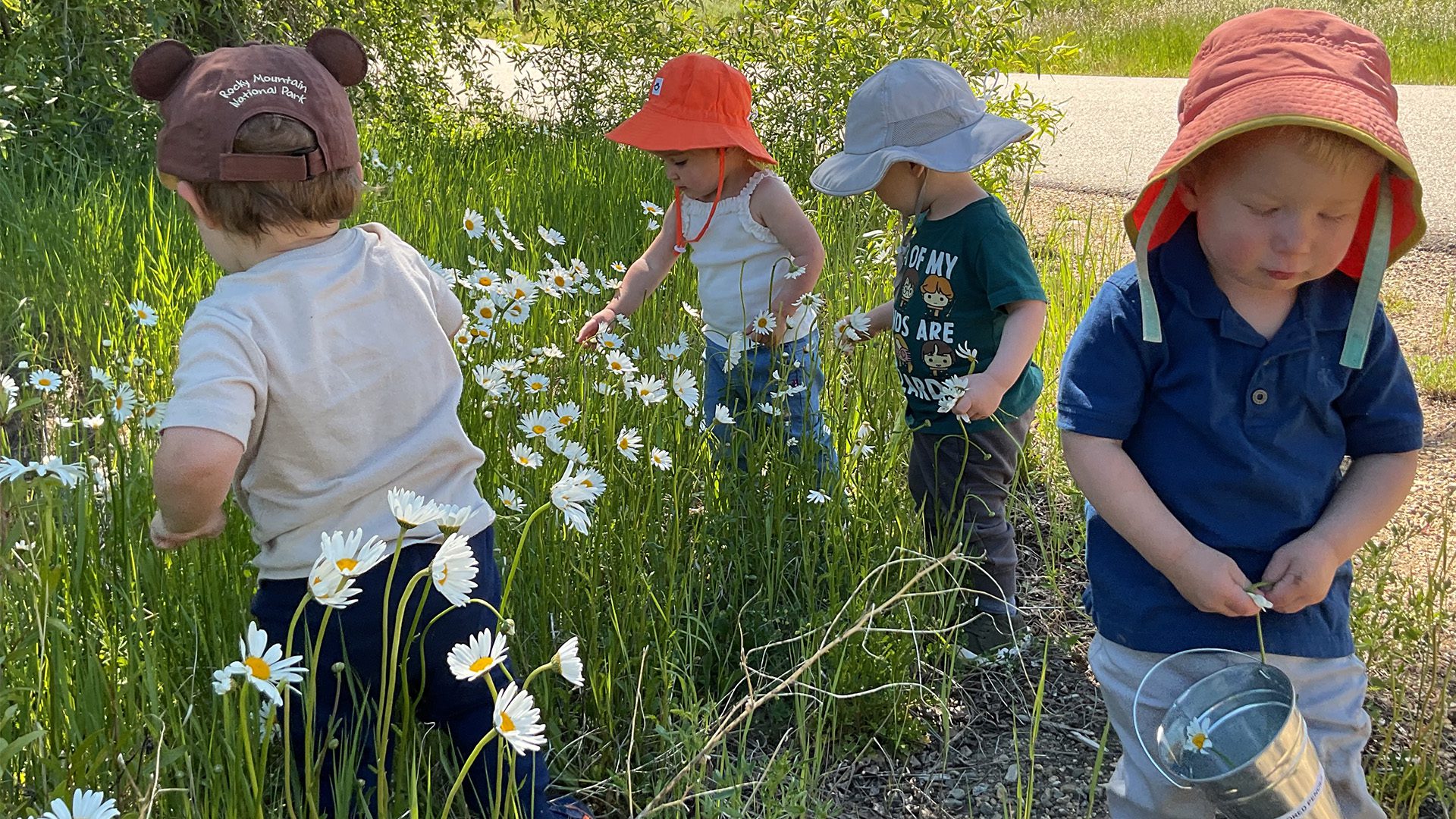
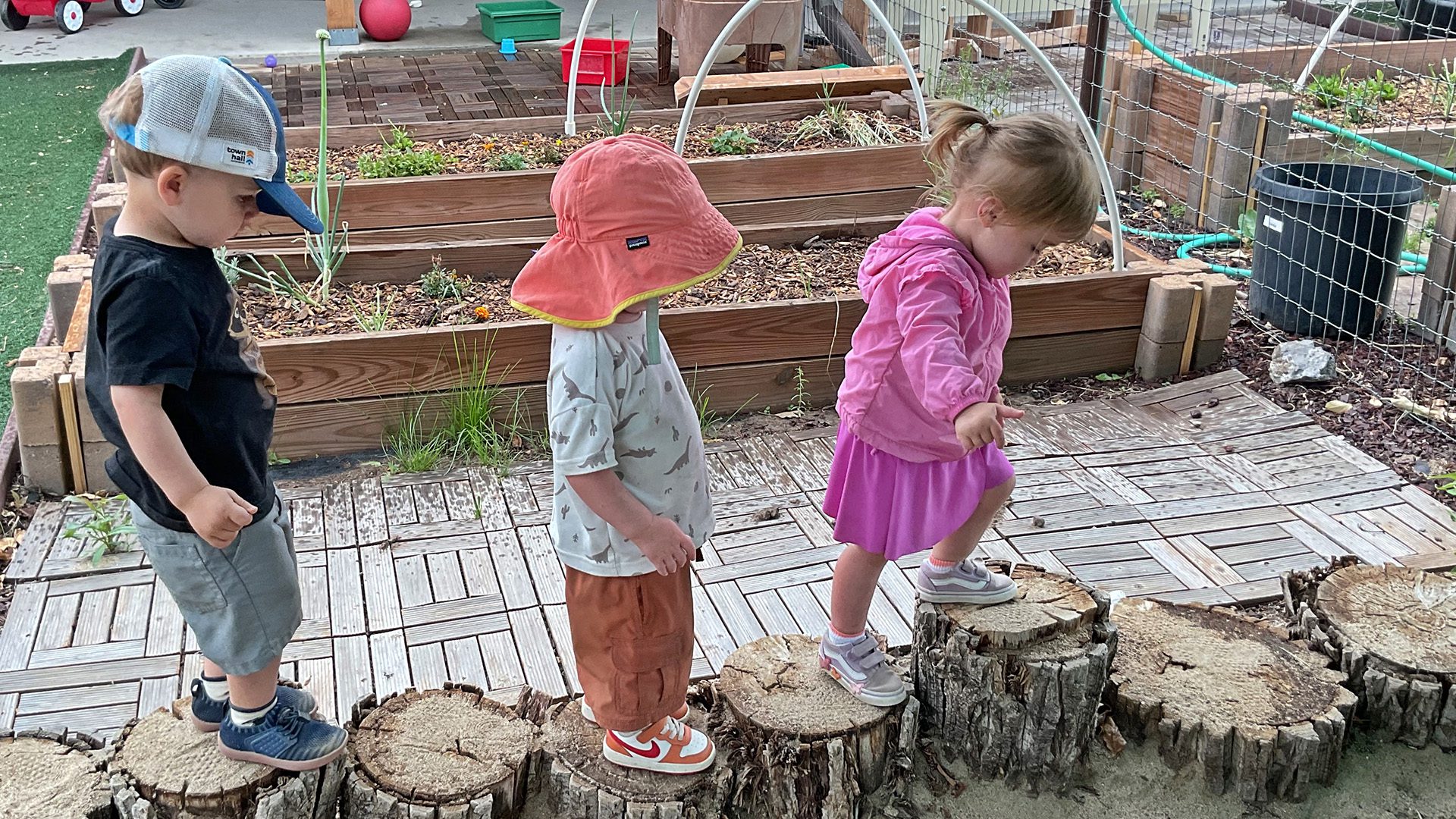
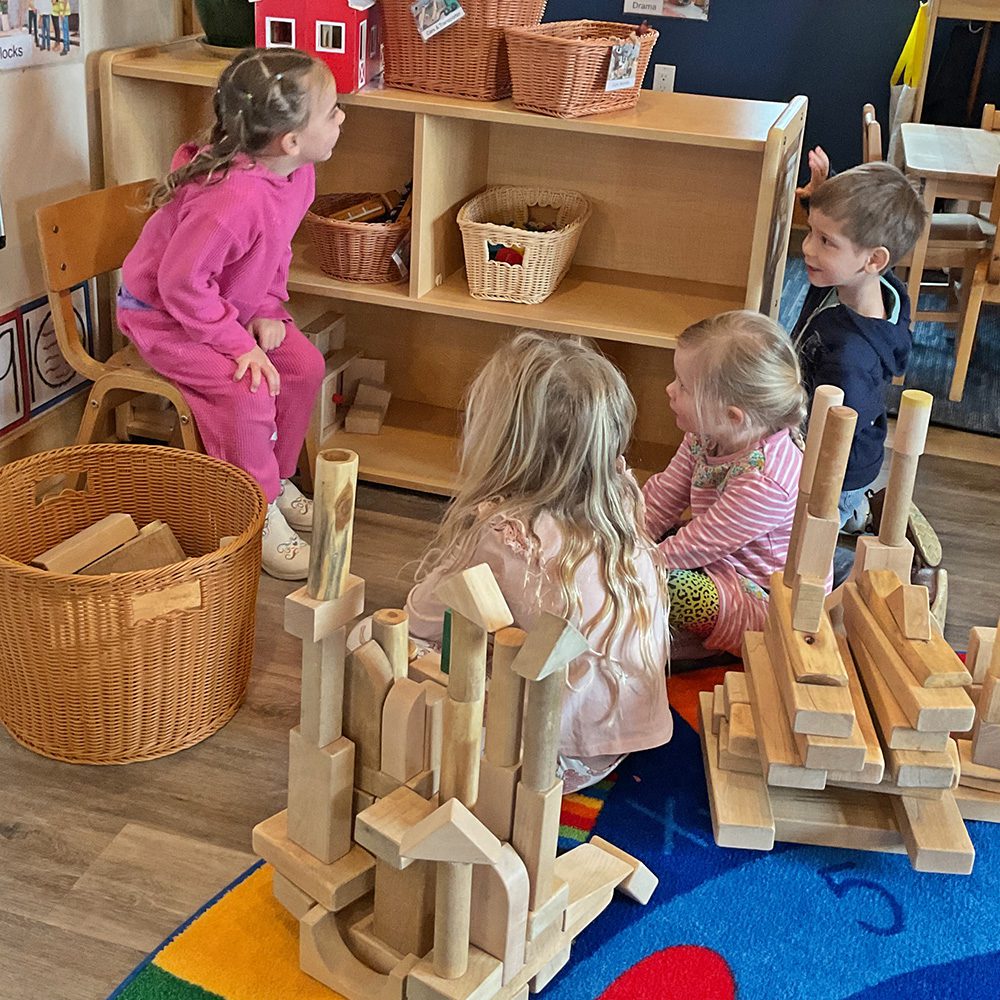
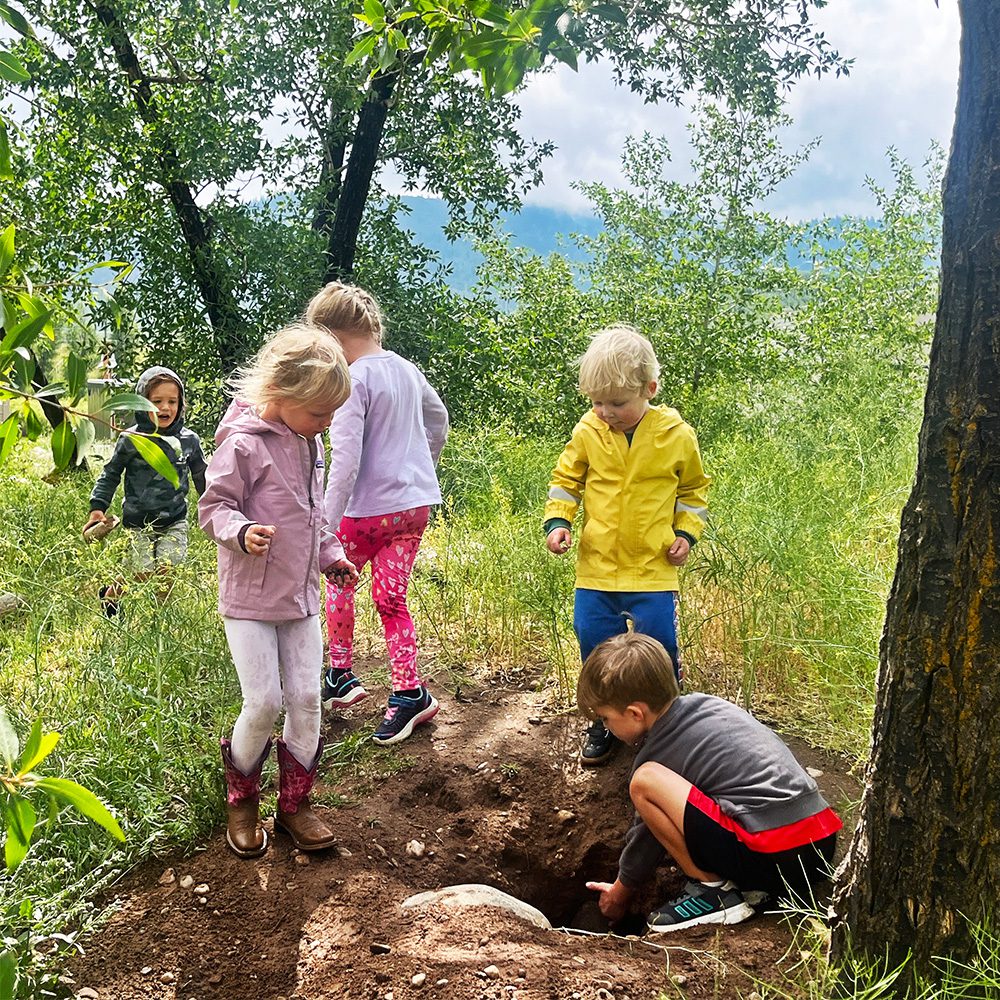
Enter the North Routt Community Charter School (NRCCS).
NRCCS offers an exceptional early childhood education program for children from one year old to Pre-K on and around its beautiful campus in Clark, Colorado, about 15 miles north of Steamboat Springs on County Road 129. There, play-based learning occurs, teaching young children to attend and listen, follow routines and directions, recover from frustration, ask for help, and work cooperatively with classmates, building a powerful foundation for learning.
The Colorado Department of Education (CDE) considers physical development, social-emotional development, and language comprehension among the important domains of development. Just as importantly, CDE defines school readiness as the outcome of a partnership among children, families, schools, and community providers, built on positive relationships.
So, for parents, the good news is that some of the most powerful things we can do for young children do not require expensive technology or specialized equipment. NRCCS Early Childhood Center staff provide the expertise, positive interactions, and an outdoor environment to prepare children to reach their full potential for success in kindergarten and beyond.
If we get those first years right, we aren’t simply preparing children for kindergarten. We are helping prepare them for everything that comes after.
Further Reading
Colorado Department of Education. Overview of Kindergarten School Readiness in Colorado.
A detailed explanation of Colorado’s approach to assessing and supporting children as they enter kindergarten.
Search online for: Colorado’s Kindergarten School Readiness Guide.
Center on the Developing Child, Harvard University. Serve and Return.
Explains how responsive, back-and-forth interactions between children and caring adults help build the foundation for language, social development, and healthy brain architecture.
Search online for: Harvard Center on the Developing Child — Serve and Return.
Any content, resident submissions, guest columns, advertisements, and advertorials are not necessarily endorsed by or represent the views of Best Version Media LLC (BVM) or any municipality, homeowners associations, businesses, or organizations that this publication serves. BVM is not responsible for the reliability, suitability, or timeliness of any content submitted, inclusive of materials generated or composed through artificial intelligence (AI). All content submitted is done so at the sole discretion of the submitting party.