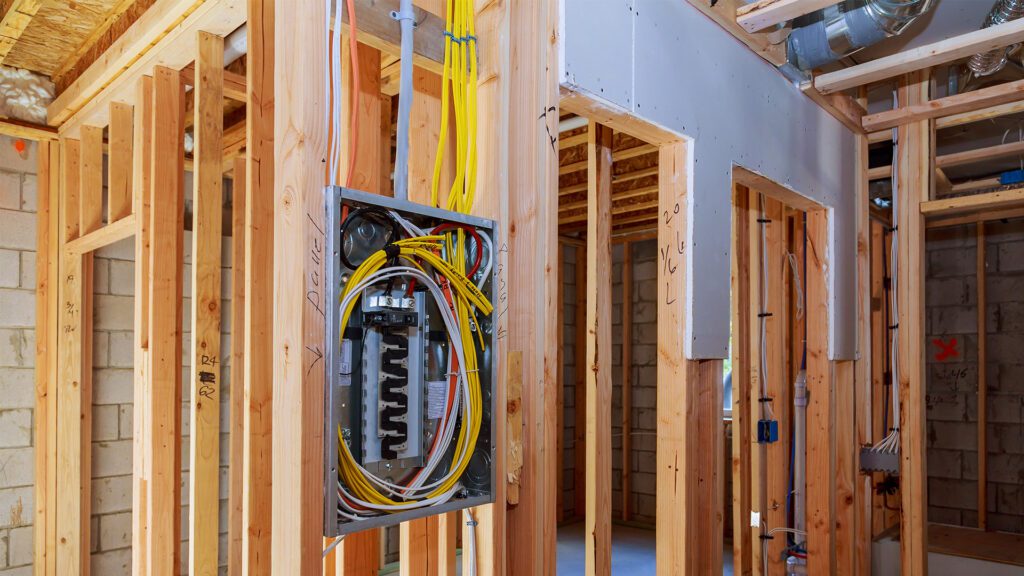
Homeowners often judge a remodel by what they can immediately see: sleek quartz countertops, custom hardwood cabinetry, and fresh coats of paint. While these surface finishes define the immediate aesthetic appeal of a space, the true quality, longevity, structural integrity, and safety of a home renovation depend almost entirely on what remains hidden behind the drywall.
The most critical phase of any major home renovation takes place long before the final cosmetic details are installed. Known in the building industry as the rough inspection stage, this pivotal milestone occurs while the inner framework of the walls, floors, and ceilings is completely exposed. During this essential window of opportunity, inspectors, licensed trade specialists, and experienced builders evaluate four fundamental structural systems:
- Structural Framing: Verifying that load-bearing walls, headers, sistered joists, and subfloors are properly sized, securely anchored, and capable of supporting the home’s weight distribution without sagging, creaking, or shifting over time.
- Electrical Systems: Ensuring all wiring runs are correctly sized, properly grounded, placed in protective conduit where necessary, and securely fastened to prevent short circuits, severe fire hazards, or frustrating voltage drops across major appliances.
- Plumbing Networks: Checking that both clean water supply lines and wastewater drainage pipes are pitched with precise accuracy to allow proper gravity flow, prevent silent slow leaks, and guard against future stubborn blockages.
- Insulation & Vapor Barriers: Confirming that high-efficiency thermal insulation is completely installed without gaps, creating a tight seal that preserves indoor climate comfort, prevents interior moisture condensation, and significantly controls monthly energy costs.
Once drywall is hung, taped, mudded, and painted, this vital underlying work is sealed off indefinitely. A mistake, shortcut, or overlooked detail during the rough phase rarely reveals itself immediately. Instead, sub-par workmanship behind the walls surfaces years down the line in subtle, frustrating ways such as a persistent flickering overhead light, a slow drain that constantly backs up, uneven floor boards, or a drafty corner room that never quite maintains temperature regardless of how high the thermostat setting is turned.
This hidden infrastructure matters just as much for existing homes as it does for active renovation projects. Every wall in an established house contains the history of its original construction, historical building codes, and any previous unpermitted modifications. If a past contractor rushed the job, skipped municipal inspections, or cut corners to save time, those concealed defects remain hidden until they manifest as costly visible damage. Warm outlet cover plates, recurring ceiling water stains without an obvious leak, high indoor humidity, or unexplained musty odors are common early warning signs that the unseen components behind the plaster or drywall require immediate professional evaluation.
Taking the rough inspection stage seriously ultimately protects the financial and personal investment in a home. A remodel that looks stunning on day one but develops systemic issues within three to five years almost always traces back to unaddressed problems behind the walls. By prioritizing meticulous craft during the framing, electrical, plumbing, and insulation stages, homeowners ensure that their renovation is not only visually impressive, but structurally sound, safe, and built to withstand decades of daily family life.
Any content, resident submissions, guest columns, advertisements, and advertorials are not necessarily endorsed by or represent the views of Best Version Media LLC (BVM) or any municipality, homeowners associations, businesses, or organizations that this publication serves. BVM is not responsible for the reliability, suitability, or timeliness of any content submitted, inclusive of materials generated or composed through artificial intelligence (AI). All content submitted is done so at the sole discretion of the submitting party.