Subtle Warning Signs of Tree Decline
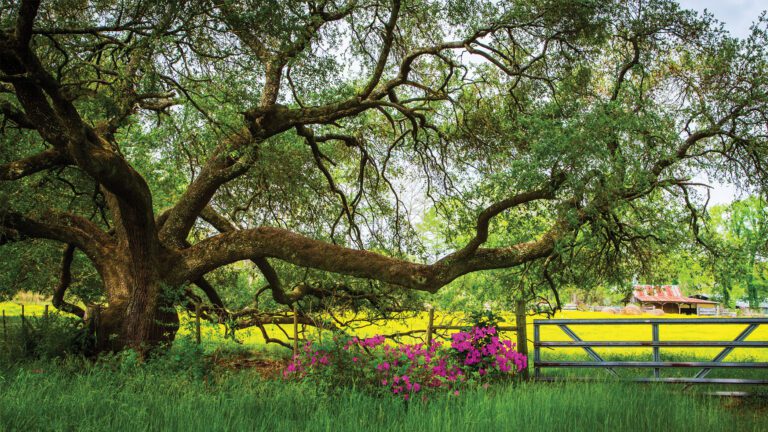
That stately oak anchoring your estate usually speaks before it fails. Perhaps the canopy appears subtly thinner than it did last spring, or the bark is beginning to slough away where it was once tight and secure. In Central Texas, our trees endure a punishing cocktail of environmental stressors, including prolonged drought, intense heat, and soil compaction. Because tree decline is often gradual, the most serious structural problems start quietly. Recognizing these early warning signs is the key to preserving your property’s living canvas.
The canopy is typically the first place distress manifests. A healthy, mature tree should produce a full, vibrant crown. If you notice fewer leaves, unusually small foliage, or scattered bare sections over multiple seasons, the tree is likely battling root stress or internal decay. Similarly, a canopy that seems to be retreating from the top down indicates that the tree is struggling to transport vital nutrients. This is as much a safety concern as a health issue, given that dead wood can drop without warning during sudden storms.
Beneath the canopy, the trunk offers critical clues regarding structural integrity. While a mature trunk possesses natural character, deep cracks or sudden bark loss demand attention. When bark falls away to reveal dry, dark, or insect-damaged wood, the living tissue underneath has been compromised. Furthermore, while some trees can live for years with internal hollows, a significant cavity changes the stability equation entirely if the tree stands near a home, driveway, or outdoor living space.
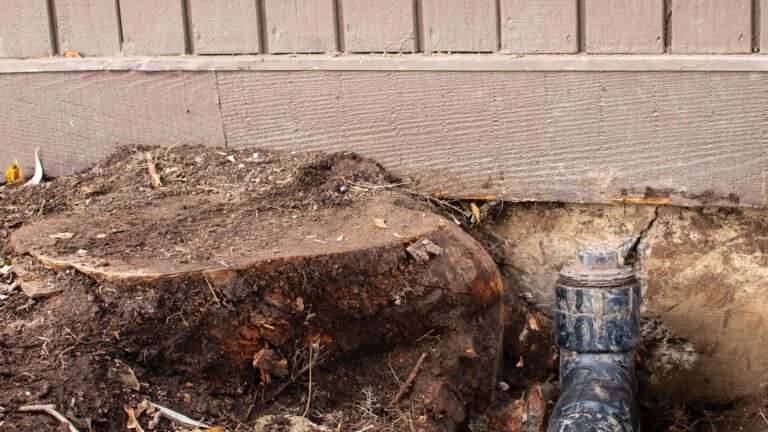
Crucially, much of a tree’s health is dictated below ground. The root system does not communicate directly, but it does leave footprints. Fungal growth, such as mushrooms or shelf-like conks at the base of the trunk, frequently signals hidden root rot. Soil heaving or a sudden, unexplained lean indicates that the root plate itself is shifting. Property owners should also watch for delayed decline. It is remarkably common for a tree to show severe canopy thinning a season or two after nearby construction, grading, or utility work has wrapped up.
In our region, extreme weather is an inevitability rather than an exception. Prolonged heat and drought leave trees highly vulnerable to boring insects, while hidden structural fractures from past storms can trigger a slow downward spiral.
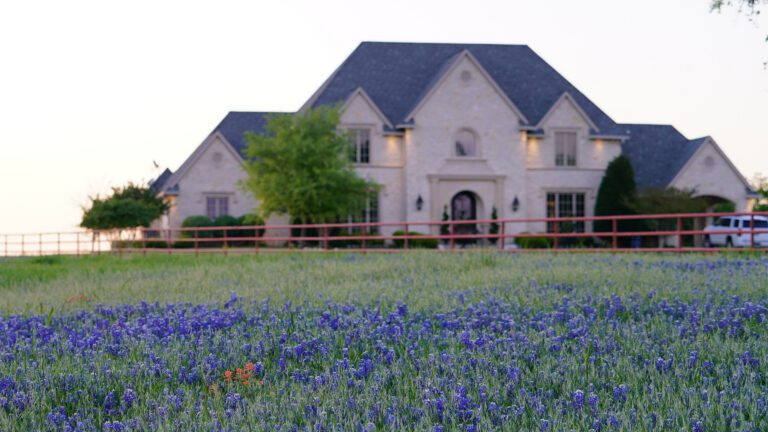
Tree care is not merely cosmetic. A declining tree near a home or structure poses a distinct liability, increasing both impact risks and wildfire exposure during dry seasons.
If a mature tree on your estate is exhibiting a combination of these symptoms, a professional evaluation is essential. A qualified arborist can read the landscape clearly, determining whether a historic tree can be saved through targeted pruning and soil remediation, or if intervention is required. Trees rarely fail overnight, and proactive stewardship is the best way to protect both the health and the long-term value of your property.
Any content, resident submissions, guest columns, advertisements, and advertorials are not necessarily endorsed by or represent the views of Best Version Media LLC (BVM) or any municipality, homeowners associations, businesses, or organizations that this publication serves. BVM is not responsible for the reliability, suitability, or timeliness of any content submitted, inclusive of materials generated or composed through artificial intelligence (AI). All content submitted is done so at the sole discretion of the submitting party.