How much thought do you give to the water in your home? We drink, cook, wash with and rely on water to keep things running. But whether your water comes from a well or is municipally supplied, what’s in that water can have a much bigger impact on your house and plumbing than you might think, and that water quality can change over time.
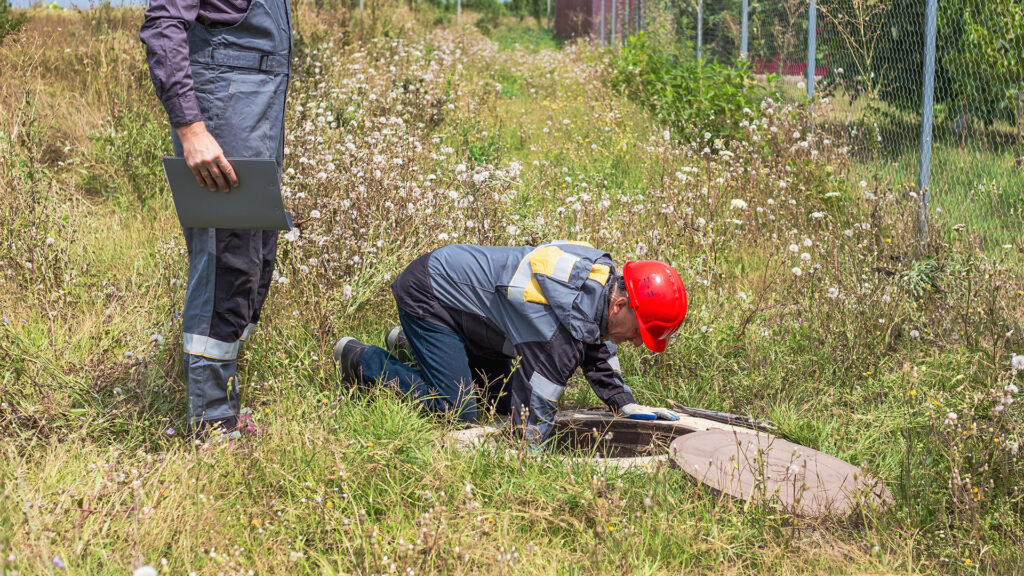
In Colorado, drought conditions affect groundwater levels and can potentially increase the concentration of minerals and contaminants in your water. Heavy rain and runoff can create other concerns. Water quality can be compromised by cracked well casings, improperly sealed wellheads, a dead animal near a wellhead or other causes.
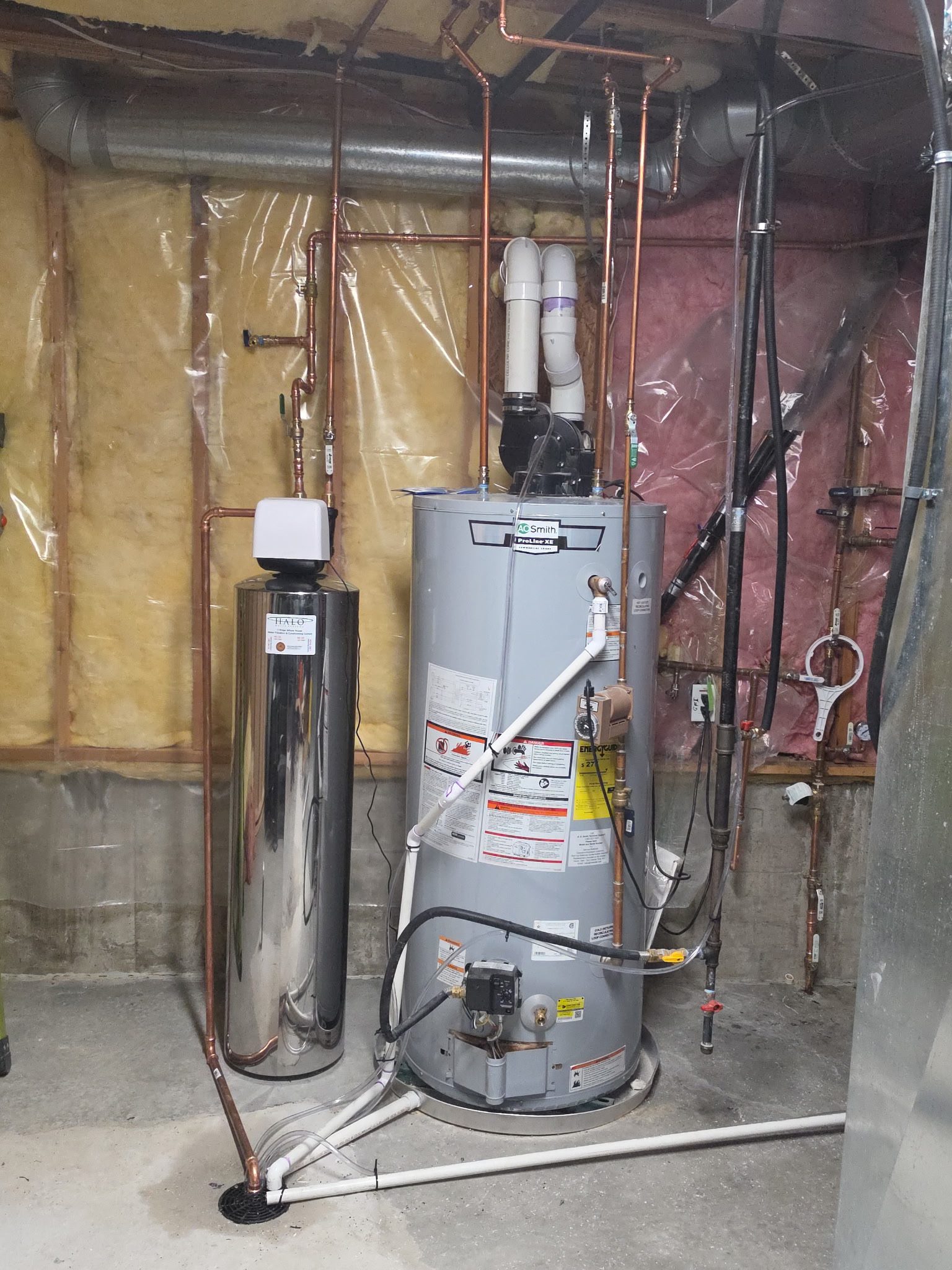
Whole-house water filtration and conditioning system (left). (Submitted photo)
Municipal water is treated and monitored before reaching your home, but filtration can still be beneficial. Depending on your water supply, you may have chlorine taste or odor, sediment, hardness or other water characteristics that can affect your fixtures, plumbing and appliances. Municipal water systems can also have occasional violations of water quality standards due to aging infrastructure, excessive runoff and other issues.
A clean water test several years ago doesn’t necessarily mean your water quality is the same today. Sometimes, your plumbing and appliances are the first place you’ll notice that something is off.
Hard water can leave that familiar white, chalky buildup around faucets and showerheads. Iron and manganese can cause staining, while sediment can clog fixtures and valves. Mineral scale can accumulate inside pipes and water heaters, making them less efficient and shortening their lifespan. Dishwashers, washing machines, ice makers and other water-using appliances can all be impacted.
These problems can be costly, leading to fixture or appliance replacement, plumbing repairs and significant expense.
The good news is that there are great water filtration options out there, and filtration can be tailored. Multiple filtration types are available that can treat taste and odor issues, mineralization, staining and hardness. Filtration systems can also remove chlorine, microorganisms and other contaminants. Each home will have its specific water filtration needs, and there is a water filtration or treatment system that can address them.
So, who do you call? Your master plumber, of course!
Look for a licensed master plumber with experience in water treatment and filtration options, who can recommend and install a system based on what you actually need. You may not need the biggest or most expensive option. Your plumber should also understand local plumbing codes and the unique challenges that come with mountain homes.
Once your system is installed, don’t forget about it. Keep up on system maintenance and test your water periodically. If you notice a change in taste, smell, color or water pressure, that’s a good reason to have things checked.
The right filtration system can greatly improve the quality, taste and smell of your water, and it can protect your pipes, fixtures, water heater and appliances. A little attention to what’s coming out of your faucet today could save you from a much bigger bill tomorrow.
Any content, resident submissions, guest columns, advertisements, and advertorials are not necessarily endorsed by or represent the views of Best Version Media LLC (BVM) or any municipality, homeowners associations, businesses, or organizations that this publication serves. BVM is not responsible for the reliability, suitability, or timeliness of any content submitted, inclusive of materials generated or composed through artificial intelligence (AI). All content submitted is done so at the sole discretion of the submitting party.