I still remember a call from a few winters ago – a homeowner whose furnace stopped working at 11 p.m. on one of the coldest nights of the year. Two kids in the house, temps dropping fast, every technician in the metro already booked solid. That’s a night no family should have to go through, especially when it was almost entirely preventable.
Stories like that are why I care so much about one simple idea: be proactive, not reactive.
Proactive Beats Reactive, Every Time
When the first real cold snap hits, emergency calls spike overnight – longer waits, higher rates, sometimes a night or two without heat. A tune-up scheduled in September or October looks completely different: easy scheduling, standard rates, and time to fix anything found calmly instead of in a panic.
I’ve seen this play out the same way for over a decade. It’s true of most home systems, not just furnaces – plumbing, electrical, heating, and air conditioning all give warning signs long before something breaks. Catching those signs early is almost always cheaper, safer, and less stressful than a full failure.
What Waiting Actually Costs You
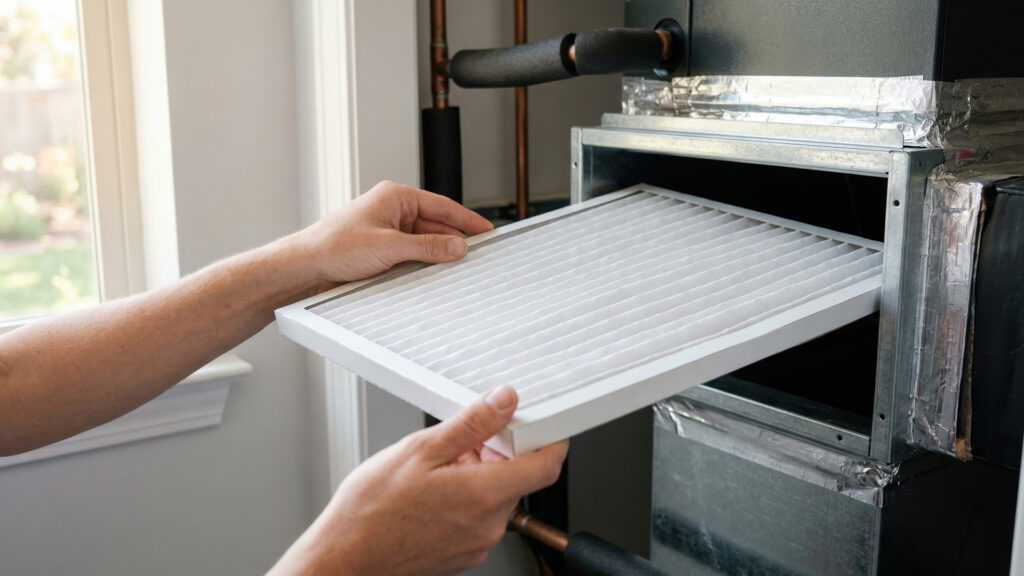
Furnaces rarely fail without warning. They fail quietly, over months, until they can’t keep up. A pre-winter inspection catches small issues before they become expensive or dangerous:
- Worn or dirty components that force the system to work harder, driving up energy bills.
- Cracked heat exchangers or ignition problems – safety issues, not just performance ones.
- Minor part failures are a cheap fix in October but an emergency repair in January.
It’s like an oil change for your car: skip it and nothing happens at first, until it does. Sometimes it’s not wear and tear at all. We’ve opened furnaces and found dead mice nested inside, and landscape rocks kids had shoved down the venting pipe just to see what would happen. None of that shows up until someone looks at it.
It Protects a Major Investment
Furnaces typically cost $6,000-$8,500 to replace. Regular maintenance protects that investment, and many manufacturers require it to keep warranties valid.
The Homeowners Who Plan Ahead Come Out Ahead
Every year, I watch the same pattern repeat. Homeowners who schedule service in September get relaxed, affordable, on-schedule appointments. Homeowners who wait find out about the hard way – usually on the coldest night of the month – that they should have called sooner.
If it’s been over a year since your furnace was serviced, take it from someone who’s seen both sides of that 11 p.m. call: now’s the time to get ahead of it. The calendar is on your side right now, but not for much longer.
Any content, resident submissions, guest columns, advertisements, and advertorials are not necessarily endorsed by or represent the views of Best Version Media LLC (BVM) or any municipality, homeowners associations, businesses, or organizations that this publication serves. BVM is not responsible for the reliability, suitability, or timeliness of any content submitted, inclusive of materials generated or composed through artificial intelligence (AI). All content submitted is done so at the sole discretion of the submitting party.