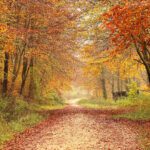
October in Lexington is a beautiful time of year. Leaves begin changing color, temperatures cool, and many of us start preparing our homes and landscapes for the winter ahead. What you may not realize is that your trees are preparing too.
As daylight decreases and temperatures cool, trees begin the process of dormancy. This is much more than leaves changing color and eventually falling. Behind the scenes, trees are conserving energy, storing nutrients, and preparing their tissues to withstand months of cold temperatures.
One of the most important parts of this process is happening underground. Roots continue to grow and function even after leaves begin to fall, as long as soil temperatures remain favorable. During this time, trees are storing carbohydrates produced throughout the growing season. These reserves will help support root activity through fall and provide energy when growth resumes in spring.
This is one reason why fall soil and root health are so important. Trees entering dormancy already stressed by drought, soil compaction, construction, pests, or disease may have fewer resources available to carry them through winter. The effects may not become obvious until the following growing season.
Water is another important consideration. We often associate watering with hot summer weather, but trees still need adequate moisture in fall. If rainfall has been limited, watering deeply before the ground freezes can help trees enter winter properly hydrated. Newly planted trees and certain evergreens can be especially vulnerable because their root systems may not yet be established enough to access moisture efficiently.
Fall is also a good time to look at what your trees have been telling you throughout the growing season. Did one tree lose its leaves earlier than the others? Did you notice thinning foliage, dead branches, unusual discoloration, or limited growth? These symptoms can provide important clues about underlying stress.
As arborists, we look at the entire picture. Tree species, soil conditions, root health, previous construction, watering practices, pests, diseases, and environmental stress can all influence how successfully a tree moves through dormancy and into another growing season.
There is no single fall treatment that every tree needs. Sometimes the best thing you can do is water. Other trees may benefit from soil care, pruning at the appropriate time, or additional monitoring. Understanding the individual tree and its environment is what allows us to make those decisions.
Your trees may appear to be shutting down for the year, but there is still plenty happening beneath the surface. A little attention this fall can help them enter winter stronger and better prepared to wake up healthy when spring returns to Lexington.
Any content, resident submissions, guest columns, advertisements, and advertorials are not necessarily endorsed by or represent the views of Best Version Media LLC (BVM) or any municipality, homeowners associations, businesses, or organizations that this publication serves. BVM is not responsible for the reliability, suitability, or timeliness of any content submitted, inclusive of materials generated or composed through artificial intelligence (AI). All content submitted is done so at the sole discretion of the submitting party.