Back pain is one of those things that can quietly become part of everyday life. Maybe your back hurts after sitting at your desk all day. Maybe you feel it when you pick up your kids, work out, garden, or get out of bed in the morning. Or maybe you’ve been told you just need to “strengthen your core” or “fix your posture.” But your back doesn’t work alone.
Submitted photo
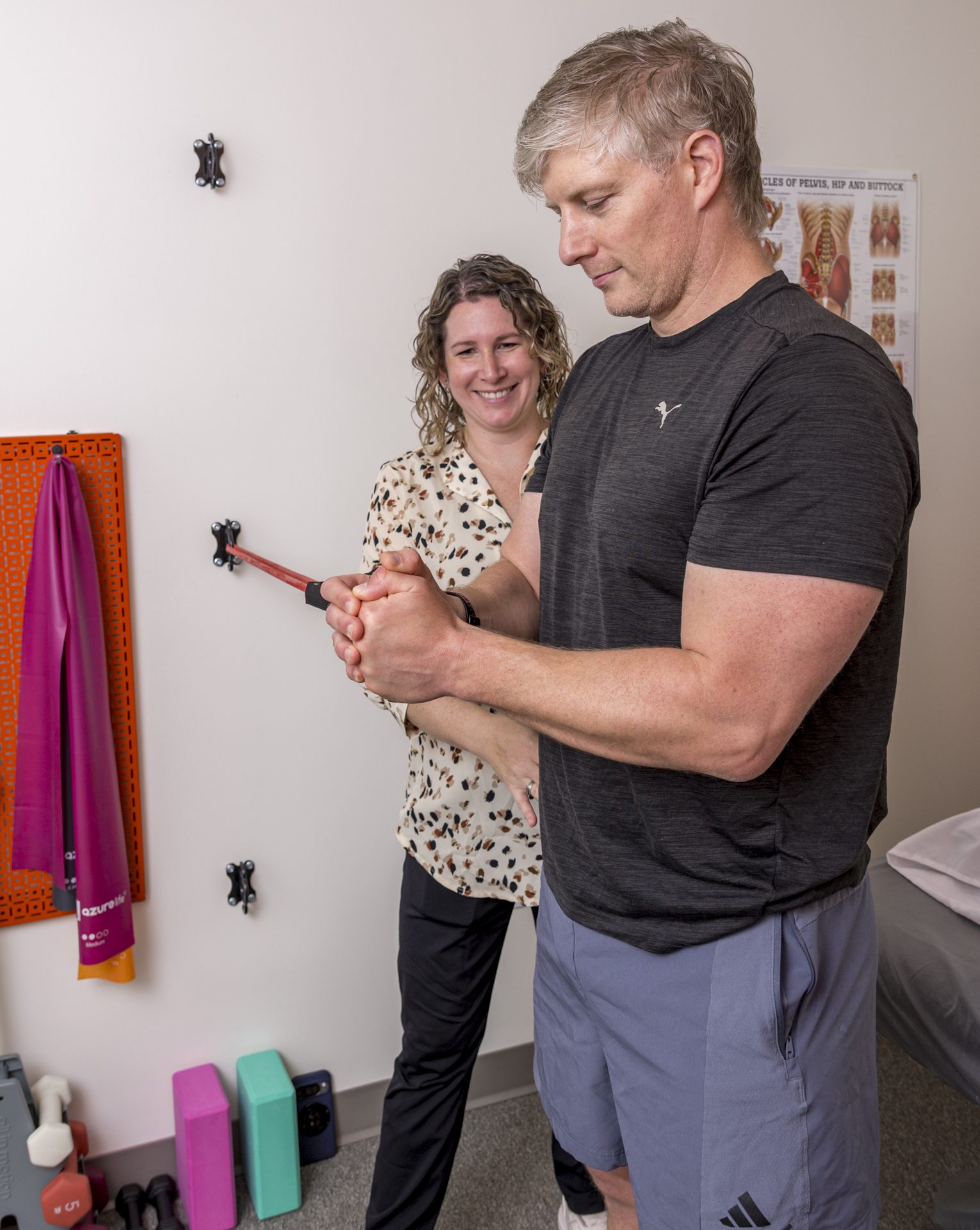
As a pelvic floor physical therapist, I often look at back pain from a little bit of a different perspective. Your back, abdominal muscles, diaphragm, hips, and pelvic floor all work together as part of your body’s movement and support system.
Here are five things I want you to know about back pain.
1. There isn’t one “perfect” posture.
If you’ve ever been told that your back hurts because you’re sitting incorrectly or have bad posture, you may have spent a lot of time trying to hold yourself in the “right” position.
The reality is that bodies are designed to move.
Instead of trying to maintain perfect posture all day, think about changing positions regularly. Sit, stand, walk, stretch, reach, and move in ways that feel comfortable.
Your body generally doesn’t need one perfect position. It needs the ability to move between many positions.
2.Your breathing may be part of the picture.
Take a deep breath. Did your ribs expand? Did your abdomen move? Did your shoulders lift? Did you hold tension somewhere? Your diaphragm, the primary muscle of breathing, works closely with the muscles of your core, including your pelvic floor.
When we’re stressed, concentrating, lifting something heavy, or experiencing pain, it’s common to hold our breath or brace our abdominal muscles. A little bracing when you need it is completely normal. The problem can arise when your body feels like it needs to brace all the time.
3. Back pain doesn’t automatically mean you need a stronger core.
“Strengthen your core” is common advice for back pain, but strength is only one piece of the puzzle. Your body also needs coordination, mobility, endurance, balance, and the ability to adapt to different activities. Sometimes people with back pain are actually working too hard to stabilize themselves. They may constantly brace their abs, tighten their pelvic floor, or avoid certain movements because they are afraid of hurting themselves.
The goal isn’t necessarily to have a stronger core that works harder. It’s to have a core that knows when to work—and when to let go.
Submitted photo
4. Your pelvic floor and back are more connected than you might think.
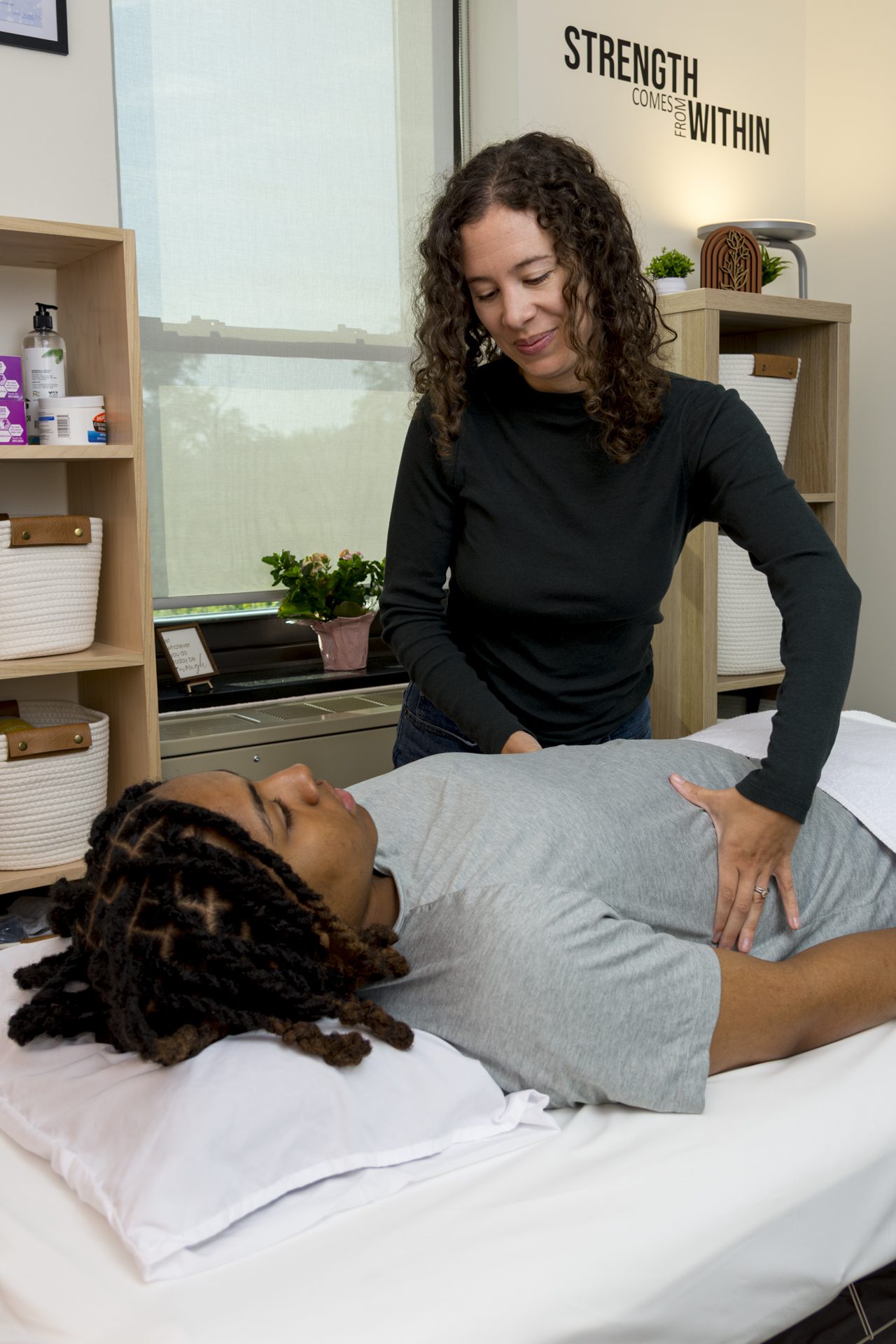
This is where a pelvic floor physical therapist may look at back pain a little differently. Your pelvic floor is a group of muscles at the bottom of your pelvis. Along with your diaphragm, abdominal muscles, and back muscles, it contributes to your body’s ability to support movement and manage pressure.
That doesn’t mean your pelvic floor is causing your back pain. But if you have back pain along with symptoms, such as leaking, urinary urgency, constipation, pelvic pressure, pelvic pain, or pain with physical intimacy, it may be worth looking at how these systems are working together. Pregnancy and childbirth can also change how your abdominal wall, pelvic floor, breathing, and movement patterns work together.
5. Pay attention to what your symptoms are telling you.
Your body gives you information all day long. Does your back feel better after walking? Worse after sitting? Does a certain movement bother you? Does changing positions help? Do you notice yourself holding your breath when something feels difficult?
Instead of immediately trying to stop every sensation, start paying attention to patterns. This doesn’t mean ignoring pain or pushing through something that feels wrong. Persistent, severe, or concerning pain should be evaluated by an appropriate healthcare professional. But becoming curious about your symptoms can help you understand your body instead of feeling like you’re constantly fighting against it.
A Simple Place to Start
When your back is bothering you, try three things:
Breathe. Take a few relaxed breaths.
Move. Change positions and explore comfortable movement.
Notice. Pay attention to what makes your symptoms better or worse.
Your back is part of a larger system, so don’t be afraid to look beyond your spine. If your pain keeps coming back, limits your activities, or occurs alongside pelvic floor symptoms like leaking, urgency, constipation, or pelvic pain, consider talking with a pelvic floor physical therapist. A personalized evaluation can help you understand what’s contributing to your symptoms and what you can do to feel better.
Any content, resident submissions, guest columns, advertisements, and advertorials are not necessarily endorsed by or represent the views of Best Version Media LLC (BVM) or any municipality, homeowners associations, businesses, or organizations that this publication serves. BVM is not responsible for the reliability, suitability, or timeliness of any content submitted, inclusive of materials generated or composed through artificial intelligence (AI). All content submitted is done so at the sole discretion of the submitting party.