Here in Texas, we can go from beautiful fall afternoons to freezing nights fast. Because our furnaces sit unused for much of the year, many homeowners don’t think about their heating system until they turn it on and discover something isn’t working properly.
That’s why I recommend having your furnace inspected annually, ideally before you need it. Regular maintenance helps your system operate efficiently, identify problems, prevent costly repairs, and help keep your family safe.
Start With the Simple Things
One of the easiest things homeowners can do is check the furnace filter regularly. A dirty filter restricts airflow and forces your system to work harder. Check your filter monthly and replace it when it becomes dirty. Depending on the filter, your system, and your household, replacement may be needed every one to three months.
It’s important to keep your vents and returns clear of furniture, rugs, and other household items that can restrict airflow.
Pay Attention to What Your Furnace Is Telling You
If your furnace starts making unusual noises, produces unusual odors, has trouble starting, or seems to run constantly, don’t ignore it. These can be early signs that something isn’t working correctly, and catching them early may prevent a minor issue from becoming a major repair.
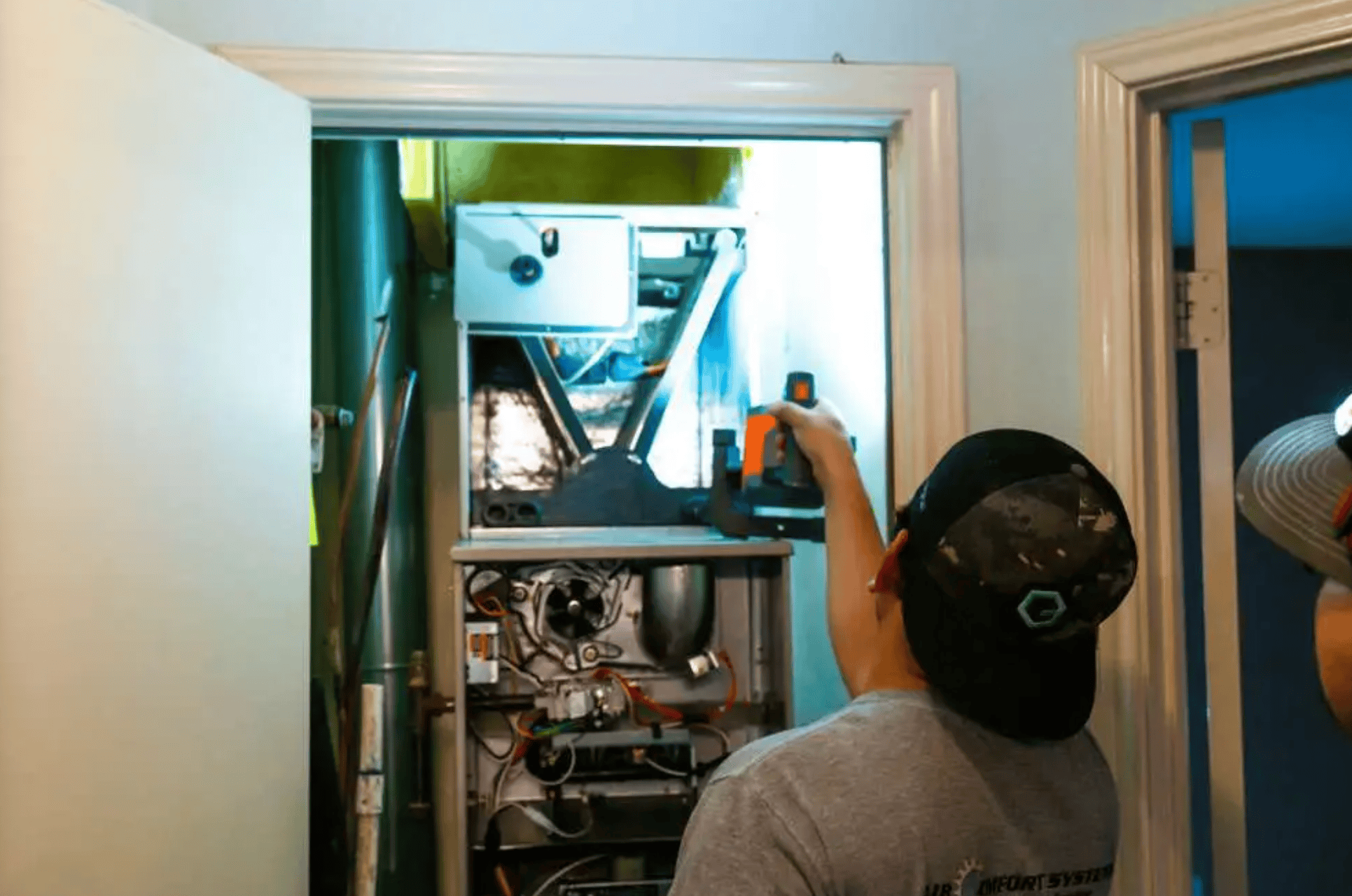
Submitted photo
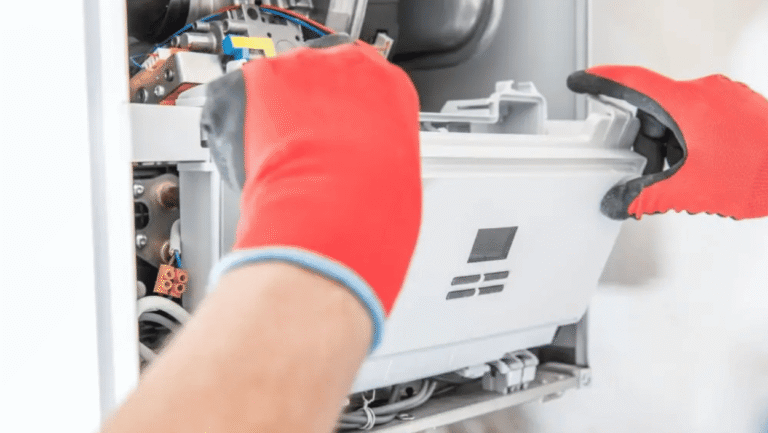
During professional maintenance, a trained technician can inspect key components, including the blower, heat exchanger, electrical connections, burners, gas connections, and ignition system, while checking for airflow and other issues that could affect performance or safety.
Don’t Forget About Carbon Monoxide
Furnace maintenance isn’t just about comfort—it’s about safety, particularly in homes with gas furnaces.
Carbon monoxide (CO) is a colorless, odorless gas, which means you may not know it’s present without a working CO alarm. Problems with fuel-burning appliances, venting, or a cracked or damaged furnace heat exchanger can potentially allow carbon monoxide or other combustion gases into the home.
Homes with fuel-burning appliances should have working CO alarms on every level of the home and outside sleeping areas. Test your alarms regularly and replace them according to the manufacturer’s recommendations.
A CO alarm is an important additional layer of protection, but it doesn’t replace proper maintenance of your furnace and other fuel-burning appliances. If you’re unsure whether your home has adequate CO protection or don’t know how old your alarms are, have them checked.
If a carbon monoxide alarm ever sounds, evacuate outside into fresh air and contact emergency services.
A Little Prevention Goes a Long Way
Annual furnace inspections can be scheduled when it’s convenient for you. An emergency repair on a freezing night usually can’t.
My advice is simple: don’t wait until the first cold snap to find out whether your furnace is ready. Change your filter, keep your vents clear, pay attention to unusual sounds or smells, make sure your carbon monoxide alarms are working, and schedule regular professional maintenance.
A little attention now can mean reliable heat, fewer surprises, and greater peace of mind as temperatures drop. Carlos and the team at Air Comfort Systems provide furnace maintenance and repair services throughout the Austin area.
Contact Air Comfort Systems today to schedule your furnace maintenance or ask us about carbon monoxide alarm options for your home. We’ll help make sure your home is ready to stay safe, warm, and comfortable when the next cold front arrives.
Any content, resident submissions, guest columns, advertisements, and advertorials are not necessarily endorsed by or represent the views of Best Version Media LLC (BVM) or any municipality, homeowners associations, businesses, or organizations that this publication serves. BVM is not responsible for the reliability, suitability, or timeliness of any content submitted, inclusive of materials generated or composed through artificial intelligence (AI). All content submitted is done so at the sole discretion of the submitting party.