November is Senior Pet Care Awareness Month, a time dedicated to celebrating our older pets and recognizing the extra care they may need as they enter their golden years.
Thanks to advances in veterinary medicine, nutrition and preventive care, our pets are living longer than ever. With those extra years can come changes such as arthritis, muscle loss, decreased flexibility, difficulty with stairs or simply a slower pace. While some of these changes are a normal part of aging, there are many ways we can help senior pets remain comfortable, mobile and engaged in the activities they love.
At Ark Animal Hospital, one of the most exciting additions to the care we can provide our senior patients is our Physical Rehabilitation Department. Physical therapy isn’t only for pets recovering from surgery or an injury. It can also be an incredibly valuable part of maintaining mobility and quality of life as pets age.
Depending on the individual pet, rehabilitation may include therapeutic exercises, strengthening and balance work, gentle mobility exercises and sessions in our underwater treadmill. The water takes some of the pressure off their joints, making it easier and more comfortable for them to move and exercise. We can adjust each pet’s therapy based on what they’re comfortable with and what will benefit them most.
Submitted photo
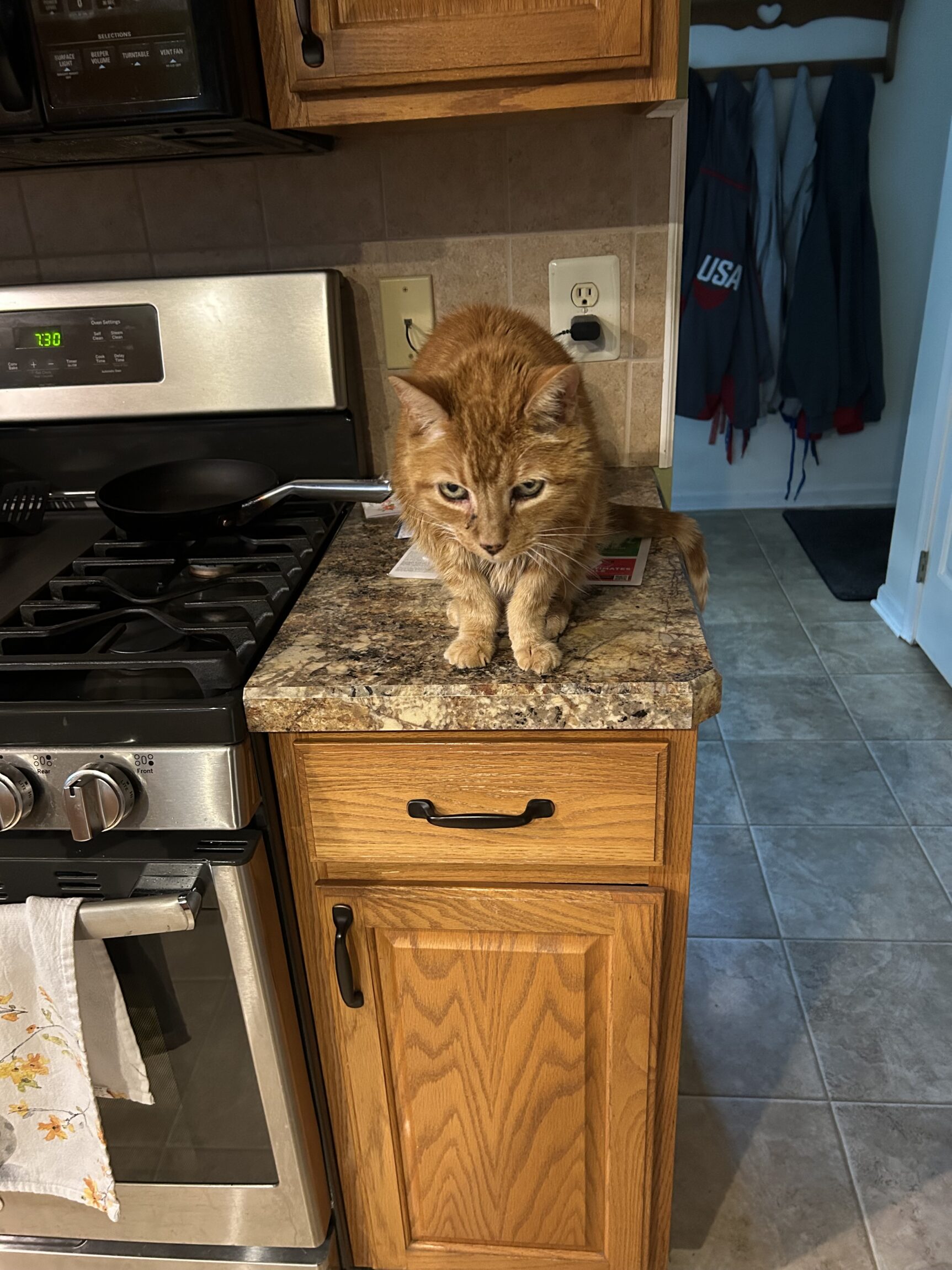
Meet Rusty
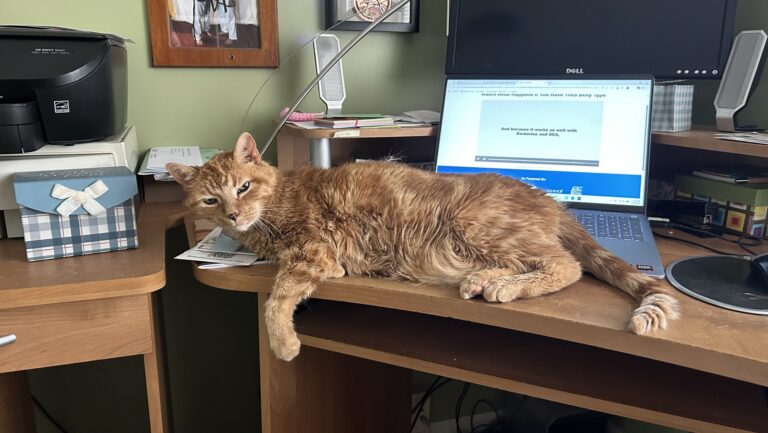
One of our favorite examples of embracing the senior years is Rusty, one of Dr. Hollenbach’s own cats. Rusty is almost 20 years old and like many pets, he began to slow down and experience arthritis as he got older.
Rusty receives Solensia injections to help manage his osteoarthritis pain and improve his comfort and mobility. When Ark opened our Physical Rehabilitation Department, we decided to see what else we could do to help keep him moving.
Rusty quickly earned a very special title: Ark’s first feline patient to use the underwater treadmill!
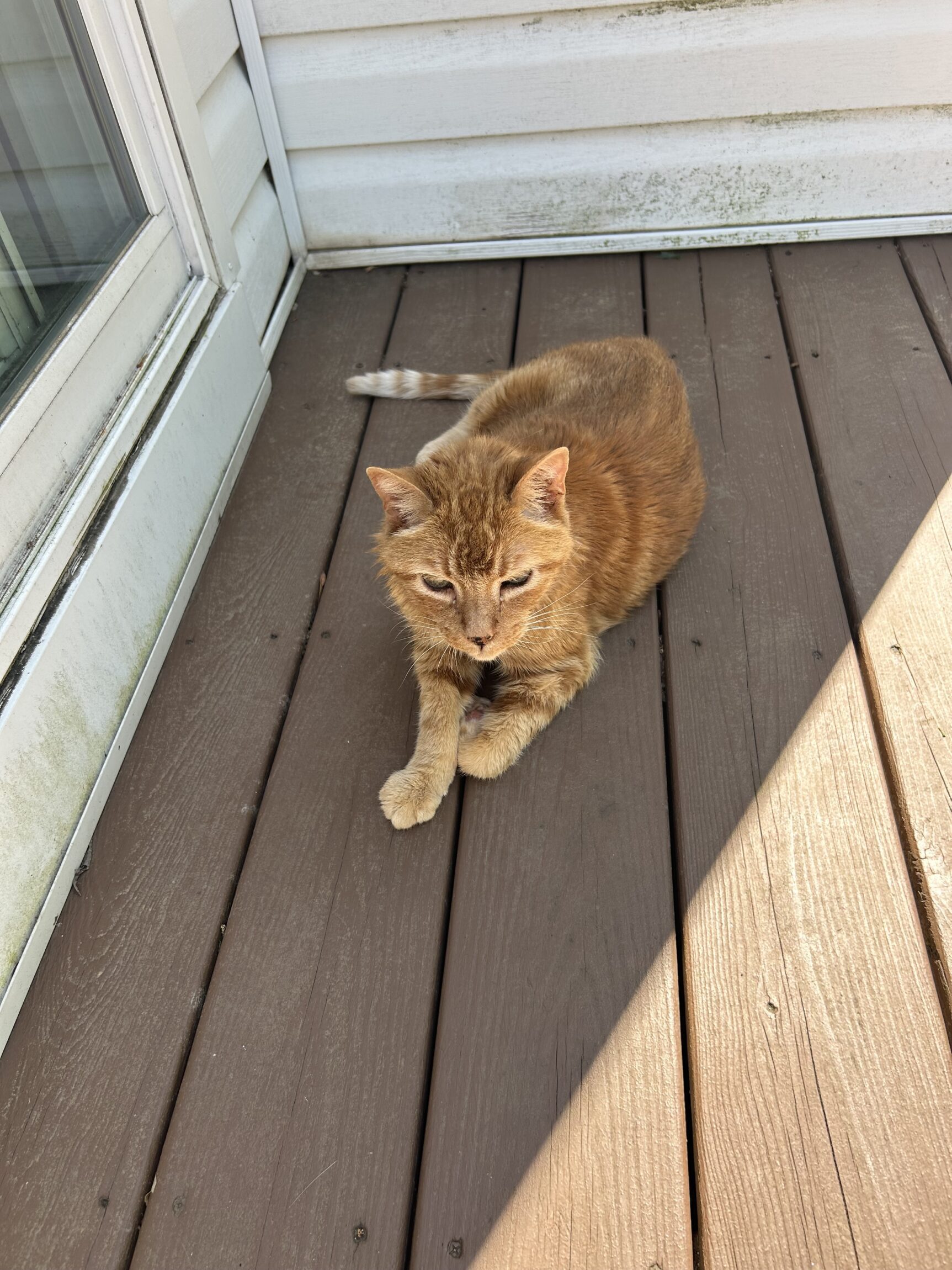
At almost 20 years young, Rusty is a wonderful reminder that physical rehabilitation isn’t just for young, athletic pets or those recovering from surgery. Senior pets can benefit from movement, exercise and individualized rehabilitation too. The goal isn’t to make an older pet act young again — it’s to help them continue doing the things that make them happy as comfortably and safely as possible.
Submitted photo
Senior pets deserve just as much attention to their changing needs as pets at every other stage of life. Sometimes subtle changes — hesitating before jumping onto the couch, taking longer to get up, avoiding stairs, sleeping more or falling behind on walks — can be signs that mobility is becoming more difficult.
Getting older is inevitable, but slowing down doesn’t always mean there is nothing we can do. With regular veterinary care, appropriate pain management, good nutrition and tools like physical rehabilitation, we can help our senior companions make the most of their golden years.
After all, they’ve spent their lives taking care of us. Their senior years are our opportunity to return the favor.
Any content, resident submissions, guest columns, advertisements, and advertorials are not necessarily endorsed by or represent the views of Best Version Media LLC (BVM) or any municipality, homeowners associations, businesses, or organizations that this publication serves. BVM is not responsible for the reliability, suitability, or timeliness of any content submitted, inclusive of materials generated or composed through artificial intelligence (AI). All content submitted is done so at the sole discretion of the submitting party.