We save for retirement. We invest in our health. But there’s something else worth thinking about before we need it: collagen.
Collagen is one of the primary structural proteins that gives our skin its strength and firmness, while elastin helps skin stretch and return to its original shape. Together, they help maintain the smooth, resilient quality we associate with youthful skin.
Beginning in our 20s, the amount of collagen in our skin gradually declines, often estimated at about 1% per year. For women, that decline can accelerate significantly around menopause as estrogen levels fall, with research suggesting that as much as 30% of skin collagen may be lost during the first five years after menopause. Additional contributing factors are sun exposure, oxidative stress from environmental pollution, and lifestyle habits such as smoking/vaping. The result is skin becomes thinner, less resilient and more prone to fine lines, laxity, and changes in texture.
That’s where the concept of “Collagen Banking” comes in.
Rather than waiting until significant changes occur, collagen banking focuses on stimulating the skin’s natural regenerative processes, including the production and remodeling of collagen and elastin. Think of it less as changing the way you look and more as investing in the quality of your skin for the future.
How Do We Stimulate Collagen?
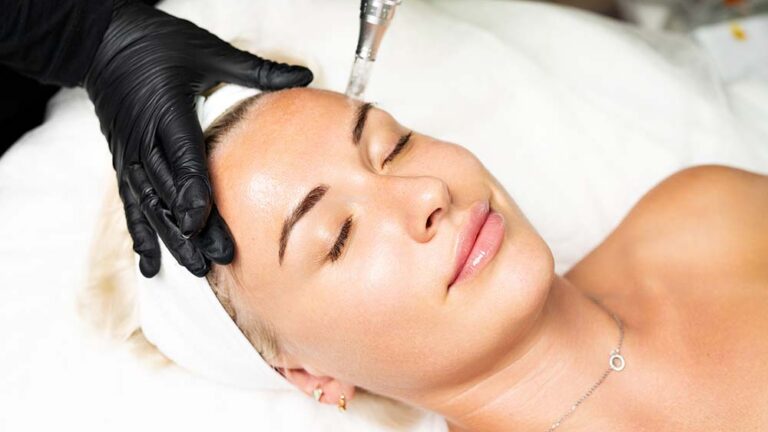
One of the most versatile treatments, Microneedling, creates controlled micro-injuries that activate the body’s natural wound-healing response, signaling fibroblasts (the cells responsible for producing collagen and elastin) to begin the repair and remodeling process. It can improve fine lines, uneven texture, enlarged pores, acne scarring and early signs of aging.
Microneedling can also be paired with regenerative additions such as PRP/PRF, growth factors, exosomes, PDRN, GHK-Cu or a combination of regenerative options selected for a patient’s specific skin concerns.
For patients experiencing greater collagen loss, biostimulatory injectables such as hyperdilute Radiesse® offer another approach. Rather than primarily restoring volume, biostimulators encourage the body to gradually produce more of its own collagen, improving dermal thickness, firmness and laxity over time. This makes them especially useful for crepey, thinning or sagging skin. Hyperdilute Radiesse is FDA approved for use in the neck and décolletage, two areas where collagen loss and skin laxity can become particularly noticeable. It’s also especially useful for areas like the lower face, hands, and other body areas. For many patients, microneedling and bio-stimulatory treatments can complement one another as part of a long-term approach to skin rejuvenation.
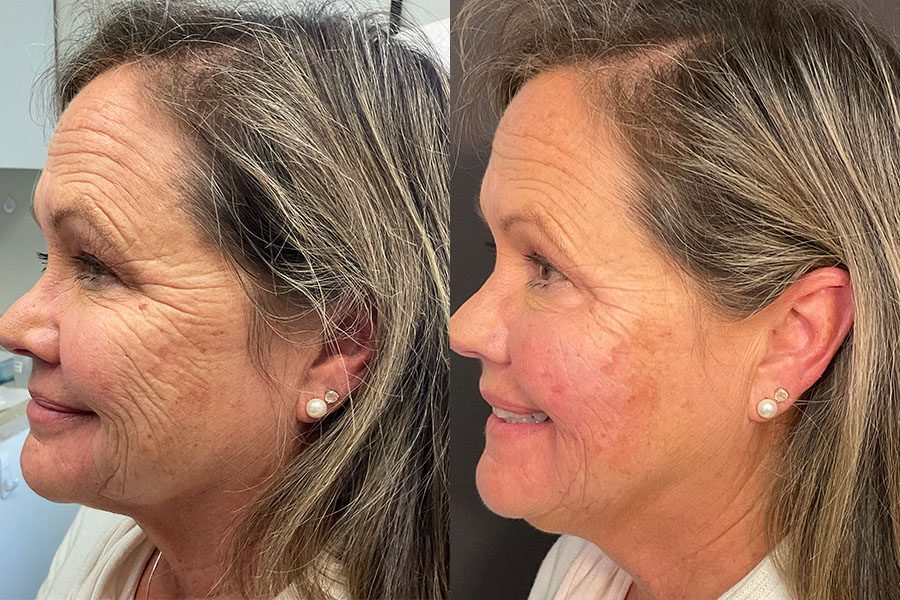
Submitted photo
Collagen banking doesn’t stop in the treatment room. Daily sunscreen, adequate protein, resistance exercise, quality sleep, avoiding smoking and using evidence-based skincare, particularly retinoids when appropriate, can all support healthier skin aging.
When Should You Start?
There isn’t one perfect age. Your skin history, genetics, sun exposure, lifestyle and goals all matter. Someone in their 30s may focus primarily on prevention and preservation, while someone in their 40s, 50s or beyond may also be working to stimulate and rebuild what has already been lost.
The goal isn’t to stop aging. It’s to approach it differently.
Modern aesthetics is increasingly moving away from simply chasing wrinkles and toward improving the health, quality and resilience of the skin itself. Small, consistent investments today can help preserve the skin you’ll be living in for decades to come.
Any content, resident submissions, guest columns, advertisements, and advertorials are not necessarily endorsed by or represent the views of Best Version Media LLC (BVM) or any municipality, homeowners associations, businesses, or organizations that this publication serves. BVM is not responsible for the reliability, suitability, or timeliness of any content submitted, inclusive of materials generated or composed through artificial intelligence (AI). All content submitted is done so at the sole discretion of the submitting party.