My father and grandfather were something of engineers. As farmers, often when things would break, they’d need to come up with a fix on the spot, and often create something to solve a problem. It may not have been conventional, but it was functional. I’ve inherited this engineering gene, and it shows up a lot in my jewelry. I always prize function, durability, and quality in my jewelry, and it’s tricky to balance with design. There a few things that I’ve seen lately from others that tip the scales too far from function.
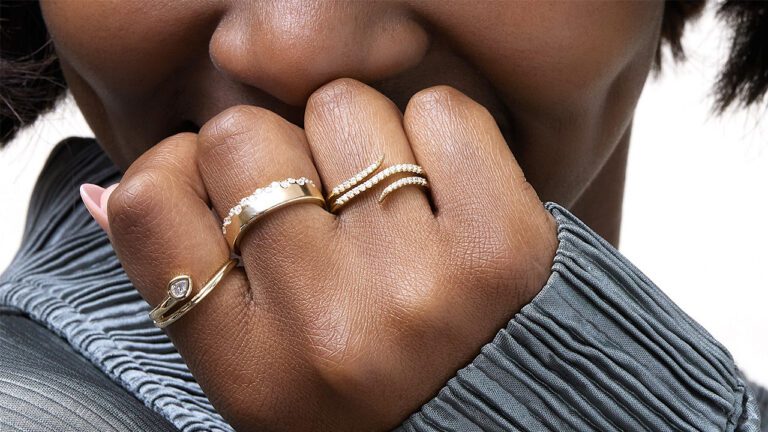
With higher gold prices, there has been a trend of “petite”. Thinner ring shanks, thinner chains, and hollow jewelry. Thinner shanks are more prone to bending and cracking. When you set thin things with gemstones, they get even weaker because of all the material that is removed to seat the stone. This becomes a bigger issue when sizing. Not only will sizing loosen the stones, but the thin area under the stone is likely to stretch and crack. I’ve seen multiple rings with palm trees on the top of the ring that are fully set with tiny diamonds. This always makes my “spidey-sense” tingle. Not just because of how thin the diamond-set palm trees are, but all those points are likely to catch on things; it’s a recipe for disaster.
In addition to small diamonds causing trouble, sometimes diamonds can be too large. Diamonds are hard, but they can also be brittle. I’ve seen too many diamond bands where the diamonds hang out over the edge of the ring. This will lead to edges of diamonds getting chipped. If there are fewer than 4 prongs on diamonds that hang over the edge, this exposure will wiggle the stones loose. These stones will also wear away at any ring next to them (unless they are soldered together). I’ve even seen these diamond bands grind away diamonds on the ring next to it!
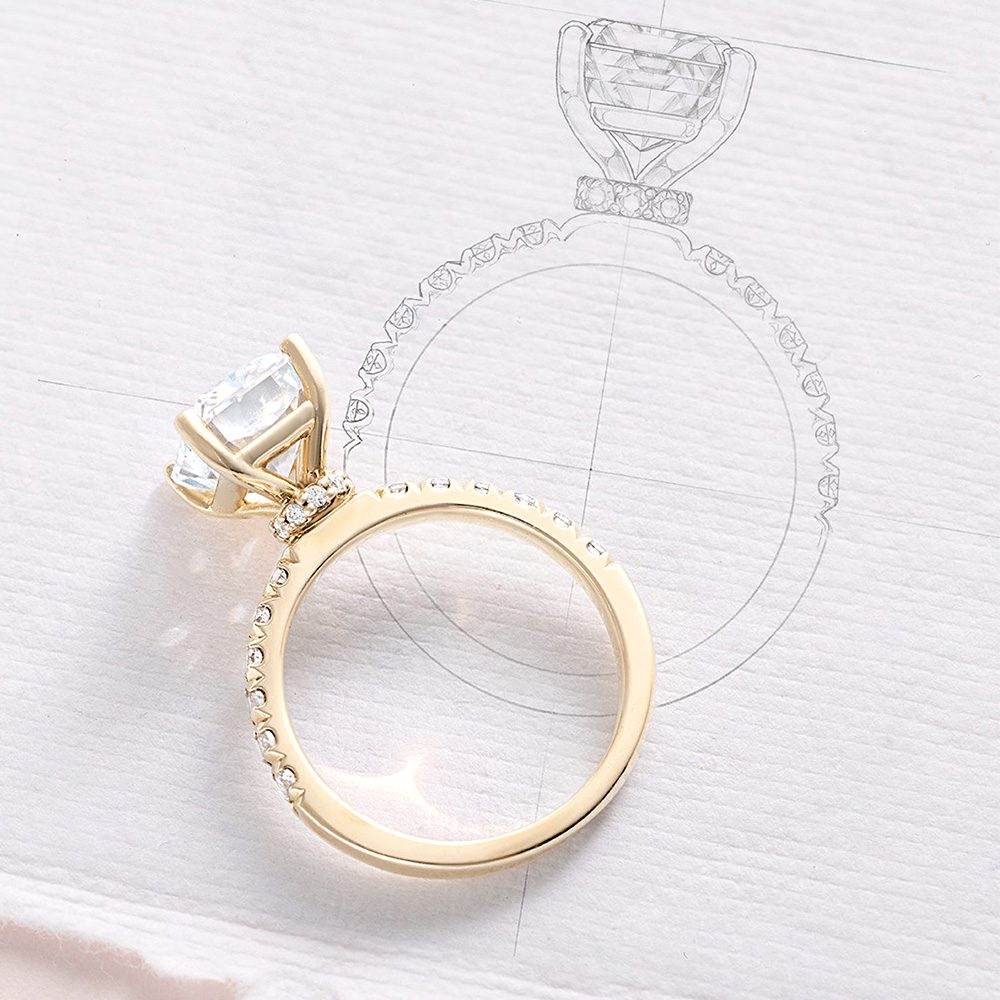
As large, lab-grown diamonds become more prevalent, another potential issue arises. A thin, dainty diamond band with a ¼ carat diamond center stands only so tall. If you go to upgrade to a larger 3 carat diamond on that same dainty band, the larger diamond will sit substantially taller. Taller settings always leave gemstones more vulnerable. This exposed diamond will be more likely to catch on things, and a delicate band will likely twist, bend, crack, and lose diamonds.
It’s important to keep in mind the physical properties of the metal in a design. Sterling silver is soft and easily bent, so is NOT functional in petite designs. Tennis bracelets often use a specific style of clasp called a “box clasp”. This works great in gold, but silver doesn’t have the same spring property as gold, and will become loose very quickly. A lobster clasp is better suited for a silver bracelet. The softness of silver also will be an issue with intricate designs that will bend and smoosh. 10 karat gold has a tendency to be more brittle, so try to use 14 karat or higher for intricate pieces.
This doesn’t mean that petite jewelry should be sworn off. Knowing the pitfalls of certain designs can help you pick out the perfect style. With proper care, like not wearing it to bed or at the gym, these delicate beauties can shine for years.
Any content, resident submissions, guest columns, advertisements, and advertorials are not necessarily endorsed by or represent the views of Best Version Media LLC (BVM) or any municipality, homeowners associations, businesses, or organizations that this publication serves. BVM is not responsible for the reliability, suitability, or timeliness of any content submitted, inclusive of materials generated or composed through artificial intelligence (AI). All content submitted is done so at the sole discretion of the submitting party.