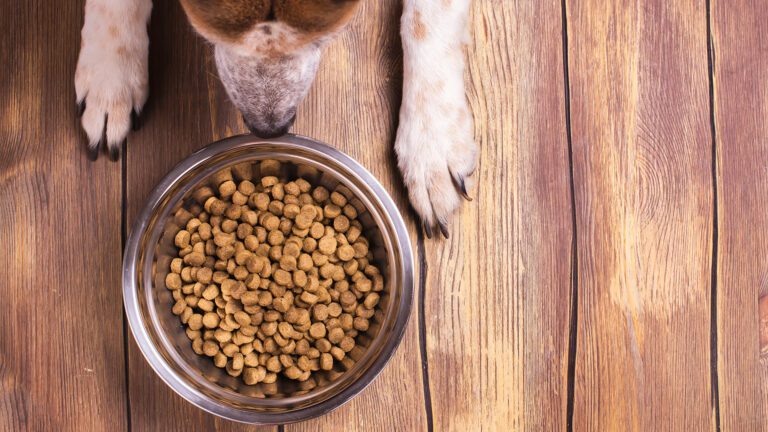
Commercial dry dog food remains a practical foundation for canine nutrition. High-quality commercial diets are formulated to provide complete and balanced nutrition when fed appropriately, making them a convenient way to meet a dog’s daily nutritional requirements. Meanwhile, many pet owners are interested in incorporating fresh foods or supplements into their dog’s meals. When used appropriately, certain additions can improve palatability, provide dietary variety, and offer targeted nutritional benefits without compromising the overall nutritional adequacy of the diet.
The most important consideration when adding foods to a commercial diet is maintaining nutritional balance. Toppers, treats, and supplements should complement a complete and balanced food rather than replace a substantial portion of it. For most healthy dogs, supplemental foods should remain a small portion of the daily diet.
Lean animal proteins are among the most common additions to commercial kibble. Plain, cooked chicken, turkey, lean beef, and fish can provide additional protein while improving the flavor and aroma of a meal. Cooked eggs can also be used as an occasional protein source. Animal proteins should be thoroughly cooked and served without added salt, butter, oils, sauces, or seasonings. Raw or undercooked meat and eggs may increase the risk of foodborne bacteria and are generally not necessary to provide the nutritional benefits associated with these foods.
Dietary fats can also be beneficial when incorporated appropriately. We want to increase Omega-3 and avoid adding Omega-6 sources. Omega-3 fatty acids, particularly EPA and DHA, have received considerable attention for their potential roles in supporting skin and coat health, joint function, and normal inflammatory responses. Fish oil is a commonly used source of EPA and DHA. Although plant-based sources such as flaxseed contain omega-3 fatty acids, dogs have limited ability to convert alpha-linolenic acid into EPA and DHA. Therefore, fish-derived sources may provide a more direct source of these long-chain fatty acids. When adding these oils, ensure that they are in small amounts, because oils and fats are the most calorie dense foods and can cause weight gain if not monitored closely.
Fiber-rich foods may provide another beneficial addition to the diet. Plain canned pumpkin, cooked sweet potato, carrots, and green beans can provide dietary fiber while adding relatively few calories when used in appropriate quantities. Fiber may help support normal gastrointestinal function and can contribute to satiety in dogs requiring weight management. Plain canned pumpkin is frequently used as a dietary adjunct in dogs with mild changes in stool consistency, although persistent vomiting, diarrhea, constipation, or other gastrointestinal signs should always prompt veterinary evaluation rather than dietary management alone.
Small amounts of certain fruits and vegetables can also provide additional dietary variety. Blueberries, apples without seeds or cores, cucumbers, carrots, and leafy vegetables can be appropriate choices for many dogs. These foods should be appropriately prepared and offered in moderation. Finely chopping or lightly cooking some vegetables may improve digestibility. While fruits and vegetables can contribute beneficial nutrients and antioxidants, dogs receiving a complete and balanced diet do not require large quantities of plant material to meet their nutritional needs.
Probiotics are another commonly considered addition, particularly for dogs with gastrointestinal concerns. Probiotic products formulated specifically for dogs may help support a healthy intestinal microbial population. They may be useful during periods of dietary transition or stress and in certain gastrointestinal conditions. However, probiotic products vary considerably in bacterial strains, concentrations, stability, and quality. Veterinary-recommended products with documented strains and appropriate storage requirements are preferable to unregulated supplements.
Pet owners should also be educated about foods that should never be used as kibble toppers. Onions, garlic, grapes, raisins, chocolate, macadamia nuts, xylitol, and cooked or raw bones can pose significant health risks. High-fat table scraps should also be discouraged. Although a small amount of lean meat may be appropriate, fatty leftovers can contribute excessive calories and may increase the risk of gastrointestinal disease, including pancreatitis in susceptible animals.
Another important consideration is the individual patient’s health status. A topper that is appropriate for a healthy adult dog may not be suitable for a patient with obesity, pancreatitis, kidney disease, food allergies, diabetes, or other medical conditions. Dietary additions should therefore be considered within the context of the patient’s complete nutritional and medical history.
Ultimately, the goal of adding fresh foods to commercial kibble should be to improve palatability and variety while preserving nutritional adequacy. Commercial diets provide a reliable nutritional foundation, while carefully selected additions can provide enrichment and potentially beneficial nutrients. Veterinarians play an important role in helping pet owners distinguish between appropriate dietary additions and foods that may unintentionally compromise their dog’s health. With moderation, appropriate food selection, and consideration of the individual patient, a few simple additions can make mealtime more enjoyable without sacrificing the nutritional balance of the diet.
Any content, resident submissions, guest columns, advertisements, and advertorials are not necessarily endorsed by or represent the views of Best Version Media LLC (BVM) or any municipality, homeowners associations, businesses, or organizations that this publication serves. BVM is not responsible for the reliability, suitability, or timeliness of any content submitted, inclusive of materials generated or composed through artificial intelligence (AI). All content submitted is done so at the sole discretion of the submitting party.