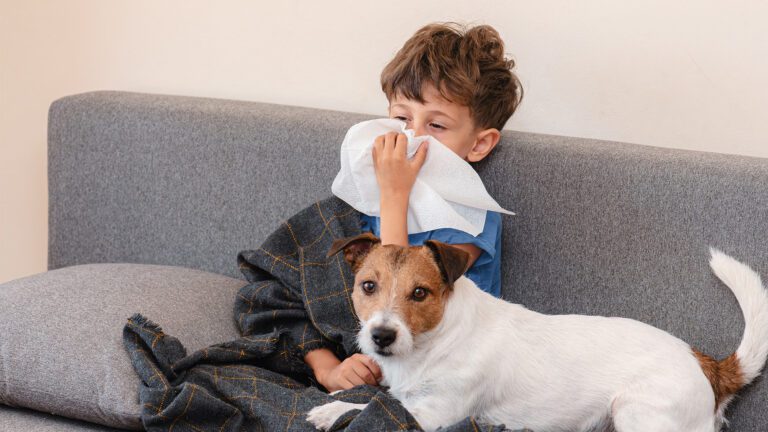
Canine Influenza: Know the Signs, Protect Your Pet!
Understanding the Symptoms, Treatment, and Prevention of Dog Flu
Just like people, dogs can catch the flu! Canine influenza, commonly known as dog flu, is a contagious respiratory disease that can affect dogs of all ages, breeds, and sizes. Although many dogs recover with appropriate care, some may develop serious complications, including pneumonia. Knowing the signs and understanding how to protect your four-legged family members can make a big difference in their health and well-being.
What Is Canine Influenza?
Canine influenza is caused by influenza viruses that infect dogs. The two main strains identified in the United States are H3N8 and H3N2. The virus spreads easily between dogs, particularly in places where they gather, such as boarding facilities, dog parks, grooming salons, daycare centers, shelters, and training classes.
Dogs can spread the virus through respiratory droplets from coughing and sneezing, direct contact with infected dogs, and contaminated objects such as food bowls, toys, leashes, and bedding. Some infected dogs may spread the virus before their symptoms become obvious.
What Are the Signs and Symptoms?
Canine influenza symptoms can range from mild to severe. Common signs include:
- Persistent coughing, which may be dry or moist
- Sneezing and nasal discharge
- Watery eyes or eye discharge
- Fever
- Lethargy or decreased energy
- Reduced appetite
- Difficulty breathing in more severe cases
Some dogs may show only mild symptoms, while others can become seriously ill. Because canine influenza can resemble kennel cough and other respiratory infections, veterinary examination is important for an accurate diagnosis.
Contact your veterinarian promptly if your dog develops a persistent cough, fever, or unusual tiredness. Seek urgent veterinary care if your pet has difficulty breathing, collapses, or develops pale or bluish gums.
How Is Canine Influenza Treated?
There is no specific medication that cures every case of canine influenza. Treatment focuses on supporting your dog’s recovery and managing symptoms. Depending on the severity of the illness, your veterinarian may recommend rest, adequate hydration, nutritional support, and medications to address specific symptoms or complications.
Antibiotics do not treat the influenza virus itself, but they may be prescribed when a secondary bacterial infection is suspected. More severely affected dogs may require hospitalization, oxygen therapy, or additional supportive care.
Never give your dog human cold or flu medications unless specifically directed by your veterinarian. Some ingredients can be dangerous or even fatal to pets.
How Can You Prevent Dog Flu?
Prevention begins with good hygiene and reducing exposure to infected dogs. You can help protect your pet by following these precautions:
- Vaccination: Canine influenza vaccines are available. Your veterinarian can help determine whether vaccination is appropriate based on your dog’s lifestyle, local disease activity, and exposure risk. Vaccination may reduce the severity of illness but does not guarantee complete protection.
- Avoid sick dogs. Keep your dog away from dogs that are coughing, sneezing, or showing signs of respiratory illness.
- Practice good hygiene. Wash your hands and clean shared surfaces, toys, food bowls, and bedding regularly.
- Isolate sick pets. Keep symptomatic dogs away from other dogs and cats, and contact your veterinarian for guidance on how long isolation should continue.
- Plan ahead for group activities. Before boarding, grooming, or daycare visits, ask about vaccination requirements and respiratory disease prevention policies.
Your Veterinarian Is Your Best Resource
Most dogs recover from canine influenza with appropriate supportive care, but early recognition and responsible prevention help protect your pet and the wider canine community.
If your dog develops a persistent cough, nasal discharge, fever, or unusual tiredness, contact your veterinary team. Call ahead before bringing a potentially contagious pet into the clinic so staff can take precautions to protect other patients.
A healthy dog is a happy dog! Talk with your veterinarian about canine influenza vaccination and the best ways to keep your four-legged family member safe, comfortable, and ready for life’s adventures.
Any content, resident submissions, guest columns, advertisements, and advertorials are not necessarily endorsed by or represent the views of Best Version Media LLC (BVM) or any municipality, homeowners associations, businesses, or organizations that this publication serves. BVM is not responsible for the reliability, suitability, or timeliness of any content submitted, inclusive of materials generated or composed through artificial intelligence (AI). All content submitted is done so at the sole discretion of the submitting party.