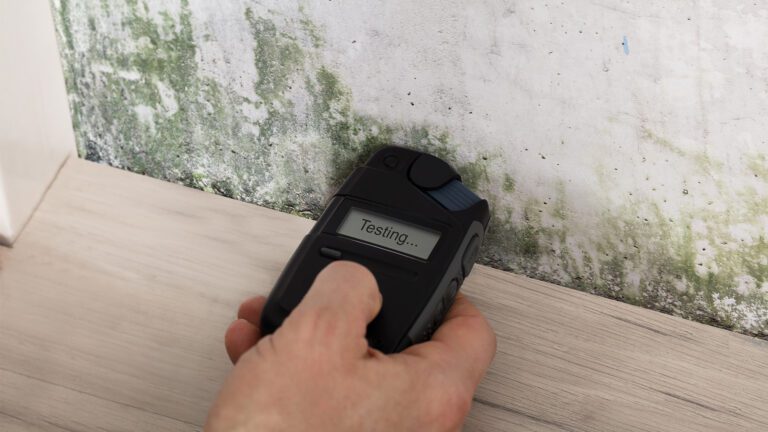
Mold is a common concern for homeowners, especially in New England where humidity, heavy rain, basements, older homes, and seasonal temperature changes can all contribute to moisture problems. While mold is sometimes easy to see, it is not always obvious. Knowing what to look for can help homeowners address a small issue before it becomes a larger one.
The first clue is often visible discoloration. Mold may appear black, green, gray, brown, white, or even orange depending on the material and conditions. It can show up on drywall, wood framing, ceilings, trim, insulation, basement walls, attic sheathing, or around windows. However, discoloration alone does not automatically confirm mold. Dirt, soot, staining, and mildew-like surface growth can sometimes look similar.
Odor is another warning sign. A musty or earthy smell, especially in a basement, bathroom, attic, crawlspace, or room with poor ventilation, may indicate excess moisture or microbial growth. Homeowners should also pay attention to recurring condensation, peeling paint, bubbling drywall, soft materials, water stains, or areas that never seem to dry completely.
The most important thing to remember is that mold needs moisture. If there is no moisture source, mold is unlikely to continue growing. Common moisture sources include roof leaks, plumbing leaks, foundation seepage, high indoor humidity, poor bathroom ventilation, ice dam leaks, wet insulation, and past water damage that was not fully dried.
Professional evaluation usually starts with a visual inspection and moisture assessment. A trained professional will look for water sources, affected materials, ventilation issues, and building conditions that may be contributing to growth. Moisture meters and thermal imaging cameras may be used to help identify damp areas that are not visible on the surface.
When testing is needed, there are several methods. Air sampling can compare indoor air to outdoor air to help determine whether elevated mold spores are present inside the home. Surface sampling, such as tape lifts or swabs, can help identify whether visible growth is mold and what types are present. In some cases, bulk samples of affected material may be collected.
Testing is useful, but it should not replace a good inspection. A lab report may identify mold types, but it does not always explain why the mold is there or how to correct the moisture problem. The key is finding and fixing the source of moisture, removing or cleaning affected materials properly, and confirming that the area is dry.
If you suspect mold, avoid disturbing the area unnecessarily. Scrubbing, cutting, or removing materials without containment can spread particles to other parts of the home. Start by identifying moisture, documenting what you see, and getting proper guidance before beginning cleanup.
Any content, resident submissions, guest columns, advertisements, and advertorials are not necessarily endorsed by or represent the views of Best Version Media LLC (BVM) or any municipality, homeowners associations, businesses, or organizations that this publication serves. BVM is not responsible for the reliability, suitability, or timeliness of any content submitted, inclusive of materials generated or composed through artificial intelligence (AI). All content submitted is done so at the sole discretion of the submitting party.